Sound Healing: A Gentle Approach to Pain, Stress and Sleep Support
Do you find it difficult to switch off after work, even when you are physically exhausted?
Are you lying in bed at night with a racing mind, tight shoulders, or persistent aches that do not seem to go away?
Many people today experience constant mental stimulation, shallow sleep, and stress-related tension in the body. Over time, this can lead to irritability, fatigue, and difficulty focusing. Pain may linger in the neck, back, or jaw. Sleep may feel light or interrupted.
Sound healing is increasingly explored as a gentle, non-invasive approach to support relaxation, nervous system regulation, and natural sleep support. Rather than requiring effort or movement, it allows the body to rest while carefully produced tones and vibrations encourage a shift out of stress mode.
What Is Sound Healing?
Sound healing is a form of vibrational therapy that uses specific tones and frequencies to support relaxation and balance in the body.
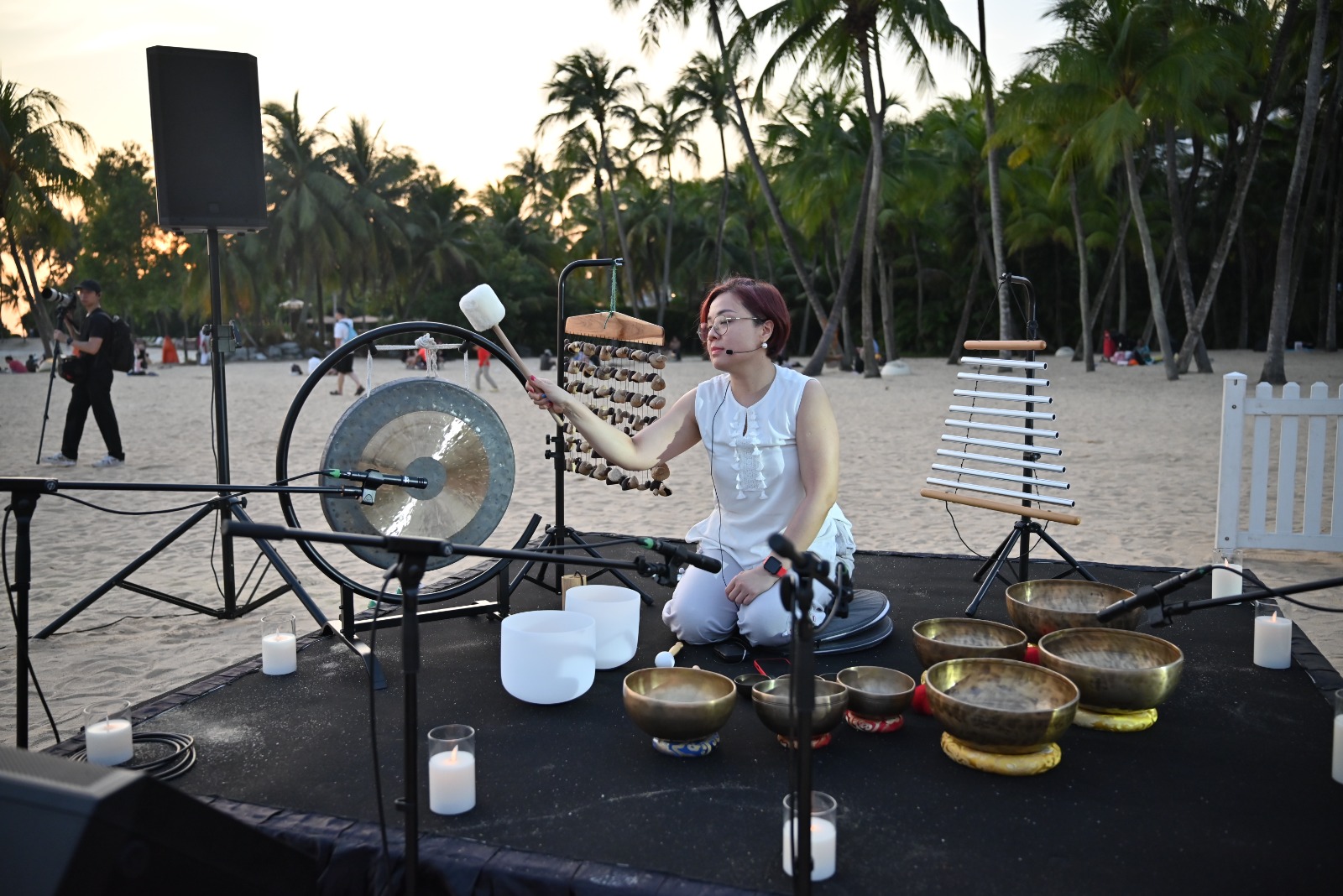
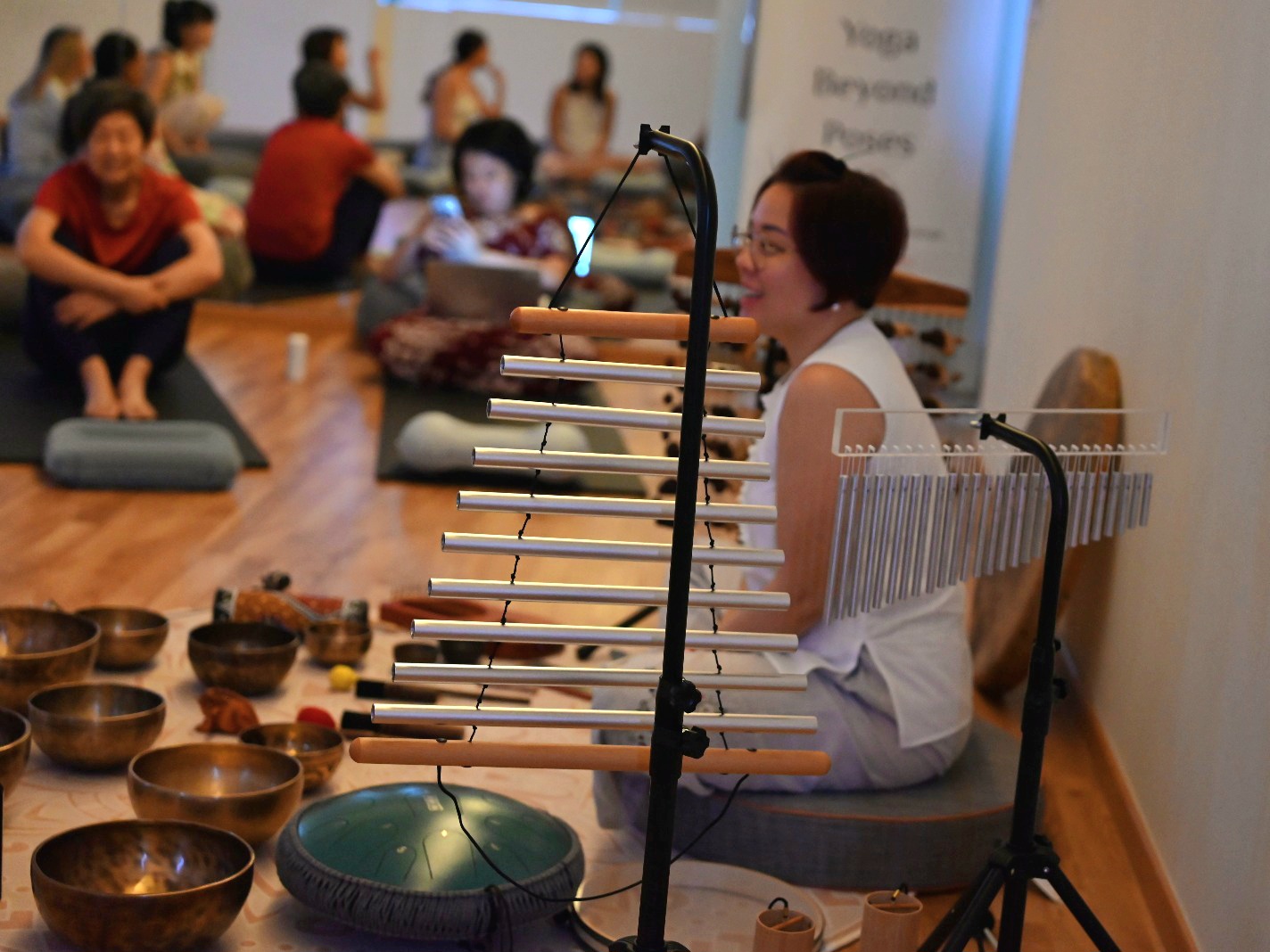
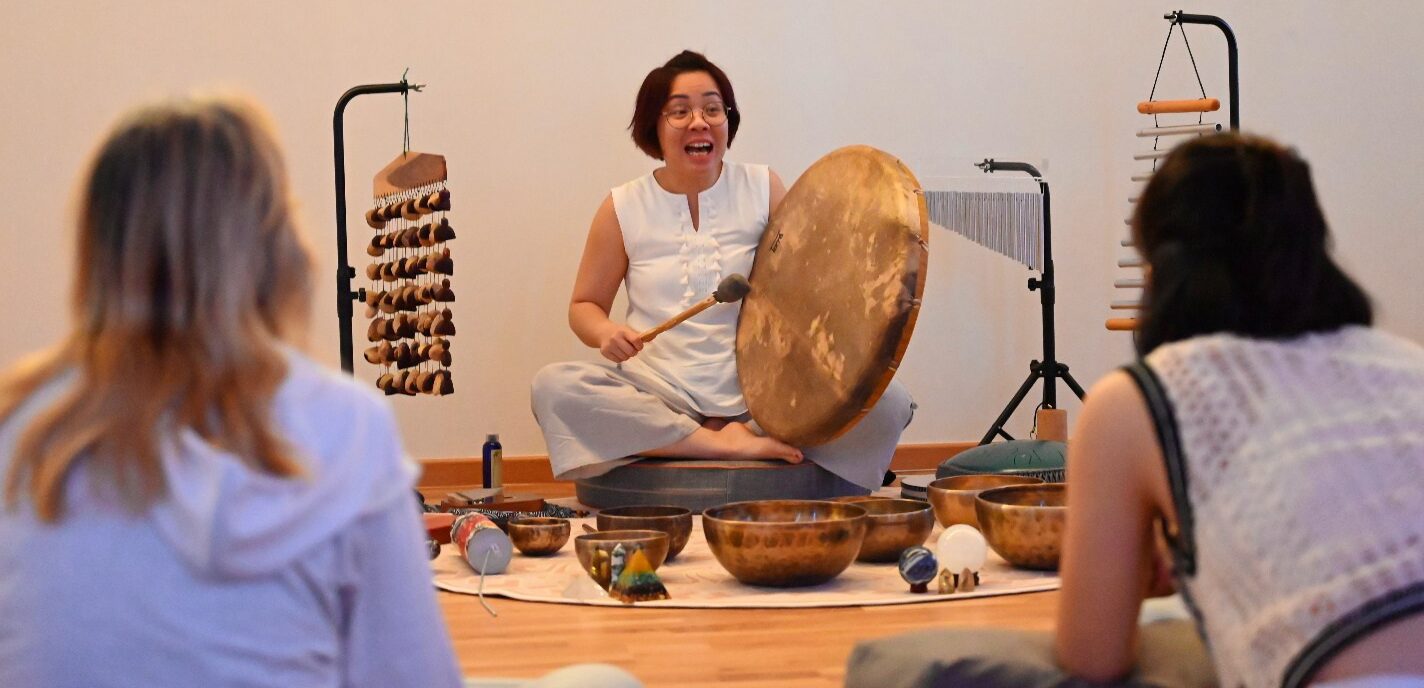
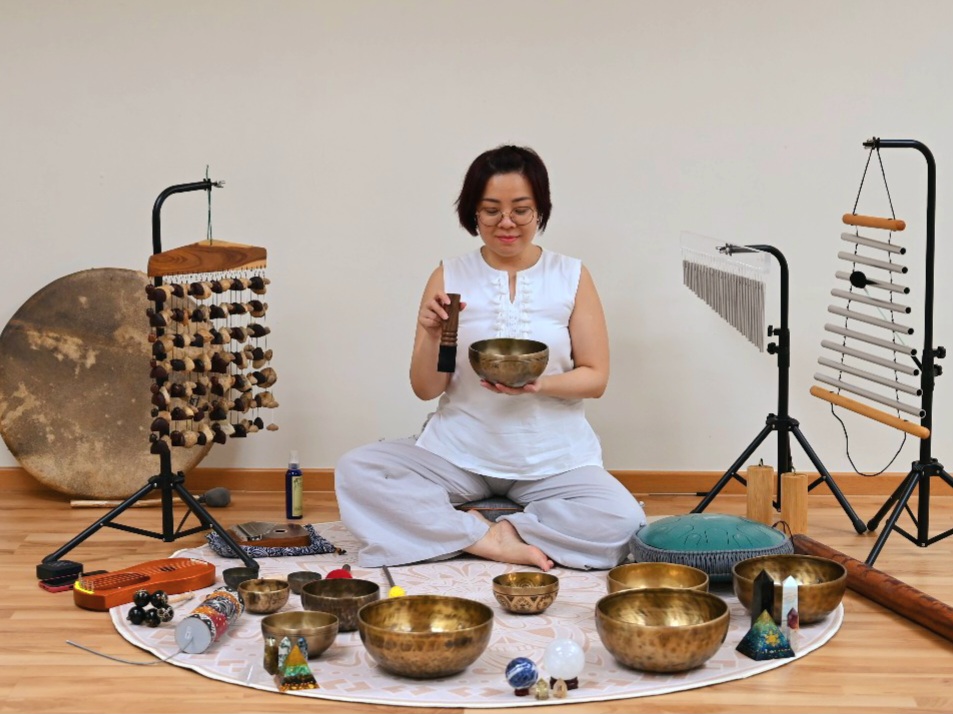
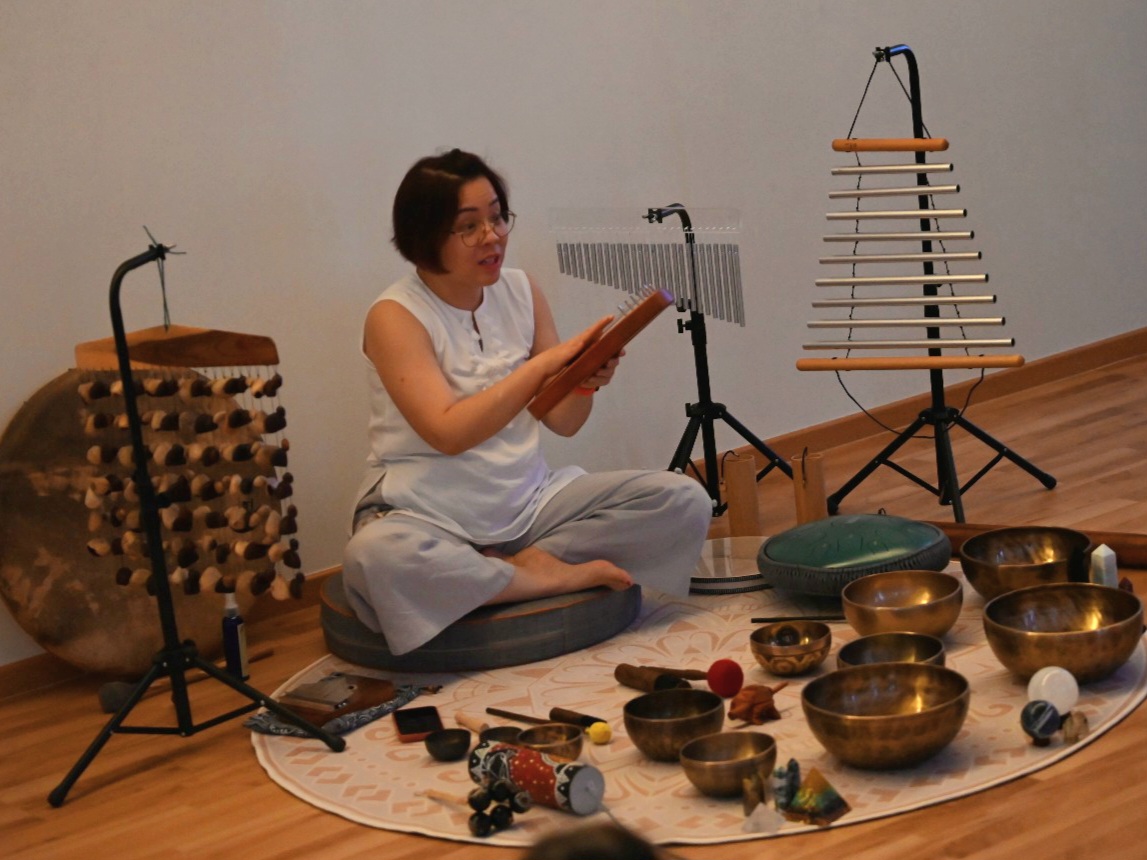
During a sound bath session, instruments such as crystal singing bowls, Tibetan singing bowls, gongs, and chimes are played in a slow, intentional way. Participants usually lie down comfortably while listening to the sounds.
The concept is simple. Everything in the body, including tissues and cells, vibrates at certain frequencies. When external healing frequencies are introduced, they may influence how the body responds to stress.
Sound healing therapy differs from music therapy. Music therapy often involves active engagement, such as singing or emotional processing through songs. Sound healing, by contrast, focuses on sustained tones and vibrations designed to encourage deep relaxation.
The goal is not entertainment. The aim is to create an environment where the nervous system can settle.
How Does Sound Healing Work in the Body?
To understand how sound healing works, it helps to look at the nervous system.
Our autonomic nervous system has two primary states: the sympathetic state (fight or flight) and the parasympathetic state (rest and digest). Modern lifestyles often keep people in a heightened sympathetic state for long periods.
Sound healing sessions are designed to encourage parasympathetic activation. Slow, steady tones can support nervous system regulation and signal safety to the body.
As the body relaxes, breathing slows. Heart rate may decrease. Muscles begin to release tension.
Brainwave activity may also shift. In daily activity, the brain often operates in beta waves, which are associated with alert thinking. During deep relaxation, the brain may shift into alpha or theta states. These slower brainwave patterns are linked to calmness, creativity, and light sleep.
Vibration also travels through tissues. Low-frequency sounds, especially from gongs, can be physically felt in the body. This vibrational therapy effect may help release areas of tightness or discomfort.
Can Sound Healing Help with Stress and Anxiety?
Stress is not only a mental experience. It is a physiological response.
When stress persists, cortisol levels remain elevated. Over time, this can affect sleep, digestion, mood, and muscle tension.
Sound healing is often used as an alternative therapy for stress because it focuses directly on calming the nervous system. As the body enters a relaxed state, cortisol levels may gradually decrease.
Many participants report feeling a sense of stillness during a session. Thoughts may slow down. The body may feel heavy or warm.
For example, an office professional who spends long hours in front of screens may find it difficult to disconnect after work. During a sound bath session, the repetitive tones provide a single point of focus. Instead of replaying daily tasks, attention shifts to sound and breath.
Over time, this practice may support anxiety management techniques by training the body to return to a calmer baseline more easily.
Sound healing does not replace mental health treatment. However, it can be a supportive stress relief therapy when integrated into a broader wellness plan.
Is Sound Healing Effective for Sleep Problems?
Sleep difficulties are often linked to stress.
When the mind remains active at night, falling asleep becomes challenging. Elevated cortisol can interfere with the natural release of melatonin, the hormone responsible for regulating sleep cycles.
Sound healing sessions encourage deep relaxation techniques that may help calm the mind before bed. When the nervous system shifts into a parasympathetic state, the body prepares for rest.
Some participants report improved sleep after sessions. They describe falling asleep more easily or waking up less frequently during the night.
Consistent exposure to slow, rhythmic tones may gently support the body’s natural ability to transition into restful sleep. By practising relaxation during the day, the body becomes more familiar with that state at night.
For individuals seeking better sleep without medication, sound healing can be explored as a complementary option. It is not a medical treatment for insomnia, but it may offer supportive benefits.
Can Sound Healing Support Pain Management?
Chronic discomfort is often connected to muscle tension and prolonged stress.
When the body remains in a heightened state, muscles tighten. Over time, this can lead to neck stiffness, back pain, or headaches.
Sound healing may support chronic tension relief by encouraging muscles to relax. As breathing slows and the body softens, areas of tightness may release.
There is also a mind-body healing component. Pain perception is influenced by emotional and psychological factors. When stress decreases, the experience of discomfort may feel more manageable.
For example, someone with tension-related shoulder pain may notice that during a gong bath session, the shoulders drop naturally as relaxation deepens.
It is important to note that sound healing is not a replacement for medical care. Individuals with ongoing or severe pain should consult healthcare professionals. However, it can be used as a supportive holistic therapy alongside other treatments.
What Happens During a Sound Healing Session?
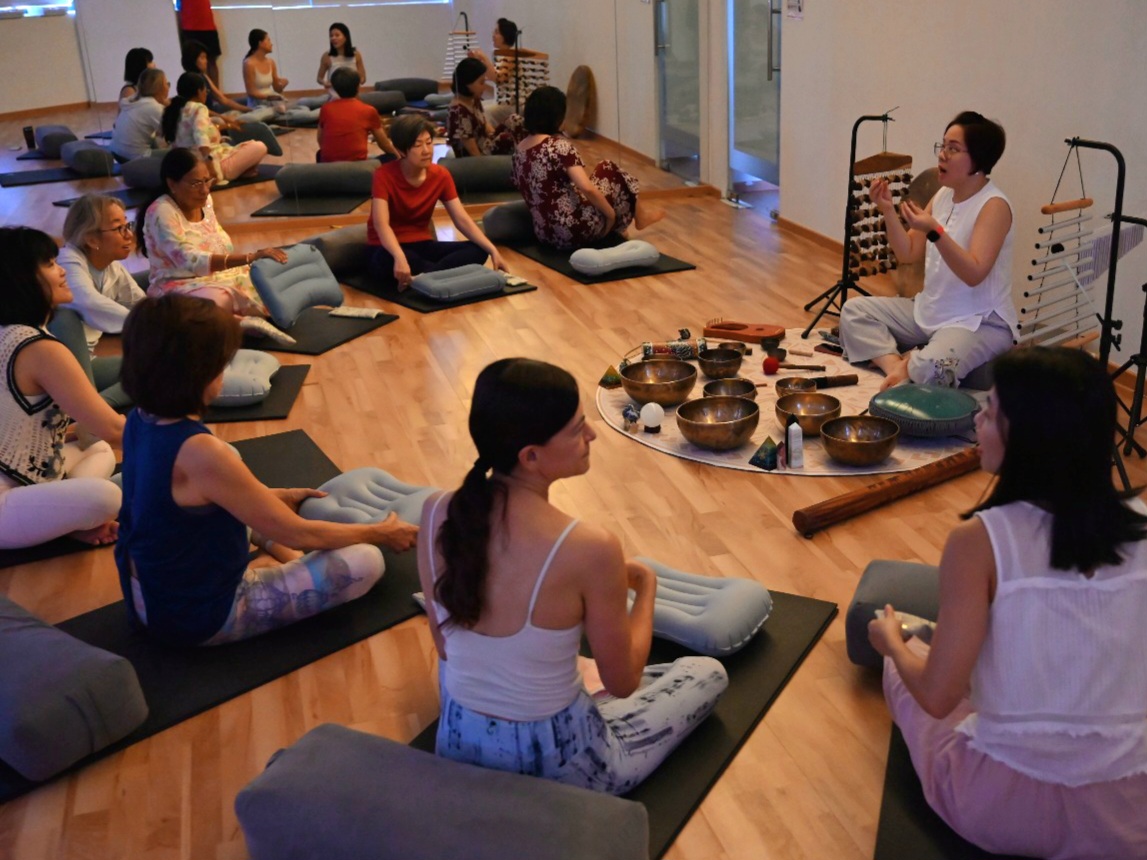
A typical sound bath session begins with participants lying down on a mat. Cushions, bolster and blankets are often provided for comfort.
There is no need to move or perform physical postures. Prior yoga experience is not required.
The facilitator begins playing instruments such as singing bowls or gongs. The sounds may start softly and gradually build in layers.
Sessions usually last between 45 and 75 minutes. Participants are encouraged to simply rest and observe their experience.
Some people remain fully aware. Others enter a dream-like state. A few may fall asleep.
At studios such as Unika Yoga, sessions are typically conducted in small groups to maintain a quiet environment. The focus remains on relaxation therapy rather than performance.
After the session ends, participants often sit quietly for a few minutes before returning to daily activities.
Who Should Try Sound Healing?
Sound healing may be suitable for a range of individuals.
Overworked professionals who experience mental fatigue may benefit from structured relaxation time.
People with insomnia or difficulty unwinding at night may explore it as a form of natural sleep support.
Individuals going through emotional stress sometimes use sound healing as a gentle emotional release therapy.
Those seeking non-invasive, low-effort approaches to stress management may also find it accessible. Since the practice involves lying down and listening, it requires minimal physical exertion.
However, individuals with certain medical conditions, such as severe hearing sensitivity or specific neurological disorders, should consult a healthcare provider before attending.
Why Choose Unika Yoga for Sound Healing?
When attending a sound healing session, the setting and facilitation style can influence the overall experience. A calm, structured environment helps participants relax more easily and feel safe enough to rest deeply.
At Unika Yoga, sound healing sessions are guided by trained facilitators who understand the basics of nervous system regulation and relaxation practices. The focus remains on steady pacing, balanced sound levels, and creating a predictable flow throughout the session.
Group sizes are generally kept small. This allows the space to remain quiet and minimizes external distractions. Participants are given clear instructions at the beginning, so there is no uncertainty about what to expect.
The studio environment is designed to reduce sensory overload. Lighting is kept soft, and the room is arranged to support comfort during longer periods of rest.
Instruments such as singing bowls and gongs are used in a measured and intentional way. Rather than aiming for dramatic effects, the emphasis is on consistency and gentle progression of sound.
If you are considering trying sound healing in Singapore, choosing a calm and well-guided space can make the experience more comfortable and easier to return to as part of your regular wellness routine at Unika Yoga.
How Often Should You Attend Sound Healing Sessions?
The frequency of attendance depends on individual goals.
Some people attend a single session to experience deep relaxation during a stressful period.
Others integrate sound healing therapy into their routine weekly or biweekly as part of ongoing stress relief therapy.
Benefits may build gradually. Just as exercise strengthens muscles over time, repeated exposure to deep relaxation may strengthen the body’s ability to shift out of stress mode.
For those exploring holistic therapy Singapore options, consistency often leads to more noticeable changes in sleep patterns and stress response.
Is Sound Healing Right for You?
Sound healing is a gentle, low-effort practice. You do not need prior experience with yoga or meditation to participate.
If you often feel mentally overstimulated, physically tense, or find it difficult to unwind before sleep, this approach may be worth exploring. It can also be considered by those looking for non-invasive relaxation therapy to complement their existing health routine.
Sound healing is not a medical treatment and does not replace professional care. However, it may support stress relief, nervous system regulation, and natural sleep patterns when practiced consistently.
If you are curious about how a guided sound bath session feels, you may consider attending a session at Unika Yoga to experience it in a structured and supportive environment.