Why Yoga Teachers Choose a Yoga Therapy Certification Course
Making the decision to deepen your yoga practice is a powerful step—especially when you already teach and feel the desire to help students beyond physical movement. Many yoga teachers reach a point where guiding a flow no longer feels enough. They want to support safe practice, healing, recovery, and long-term wellbeing.
This is why more professionals are choosing a Yoga Therapy Certification Course.
According to a 2025 Yoga Alliance report, demand for yoga therapy has grown by over 20% globally, reflecting a shift in how people approach health. Today, students are seeking targeted, therapeutic support—not just exercise.
For teachers based in Asia, especially those exploring a Yoga Therapy Certification in Singapore, this training offers the ideal balance of global standards and local relevance. Singapore’s growing focus on holistic healthcare has made yoga therapy an increasingly valued skill among wellness professionals.
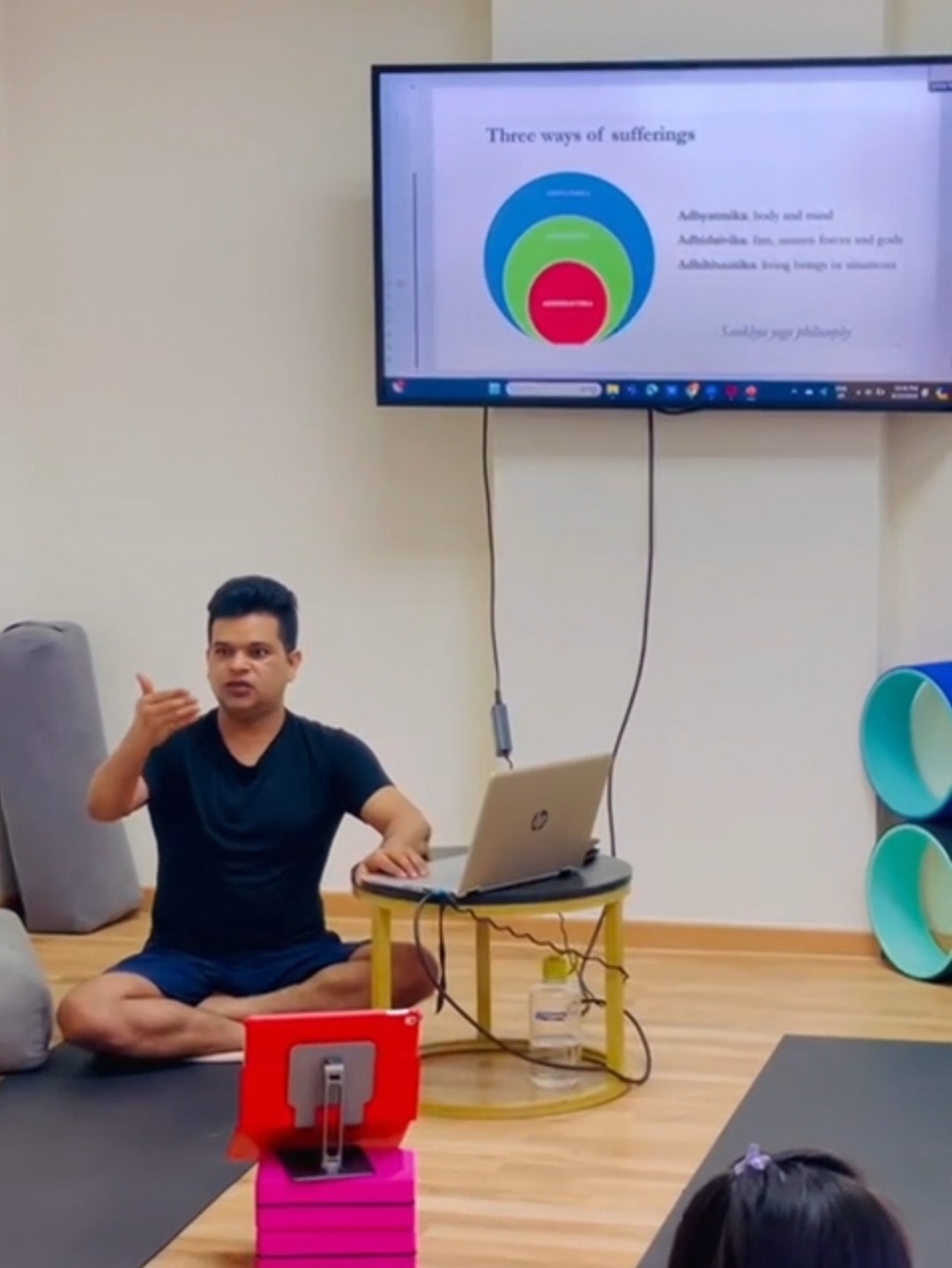
At Unika Yoga Singapore, we see experienced teachers transition into yoga therapy under the guidance of Yoga Therapy expert Dr. Kuldeep, known for blending traditional yogic wisdom with modern science. Whether through an online yoga therapy certification or an in-person immersion, this path allows teachers to make a deeper impact.
Below are the key reasons why yoga teachers are choosing a Yoga Therapy Certification Course to transform their careers and support meaningful healing.
Deepen Your Teaching Skills with Yoga Therapy Training
One of the biggest motivations for enrolling in a yoga therapy certification is the desire to move beyond general classes. While a 200-hour or 300-hour teacher training provides a strong foundation, it often does not cover how to work safely with injuries, chronic pain, or medical conditions.
Master Therapeutic Yoga Techniques
A 2024 survey revealed that nearly 70% of yoga teachers feel underprepared to handle students with serious physical issues. A structured yoga therapy programme fills this gap by teaching condition-specific practices, assessment methods, and therapeutic sequencing.
At Unika Yoga, teachers learn practical, hands-on techniques drawn from years of clinical and teaching experience—preparing them to work confidently with real clients, not just theory.
Understand Anatomy and Body Science Better
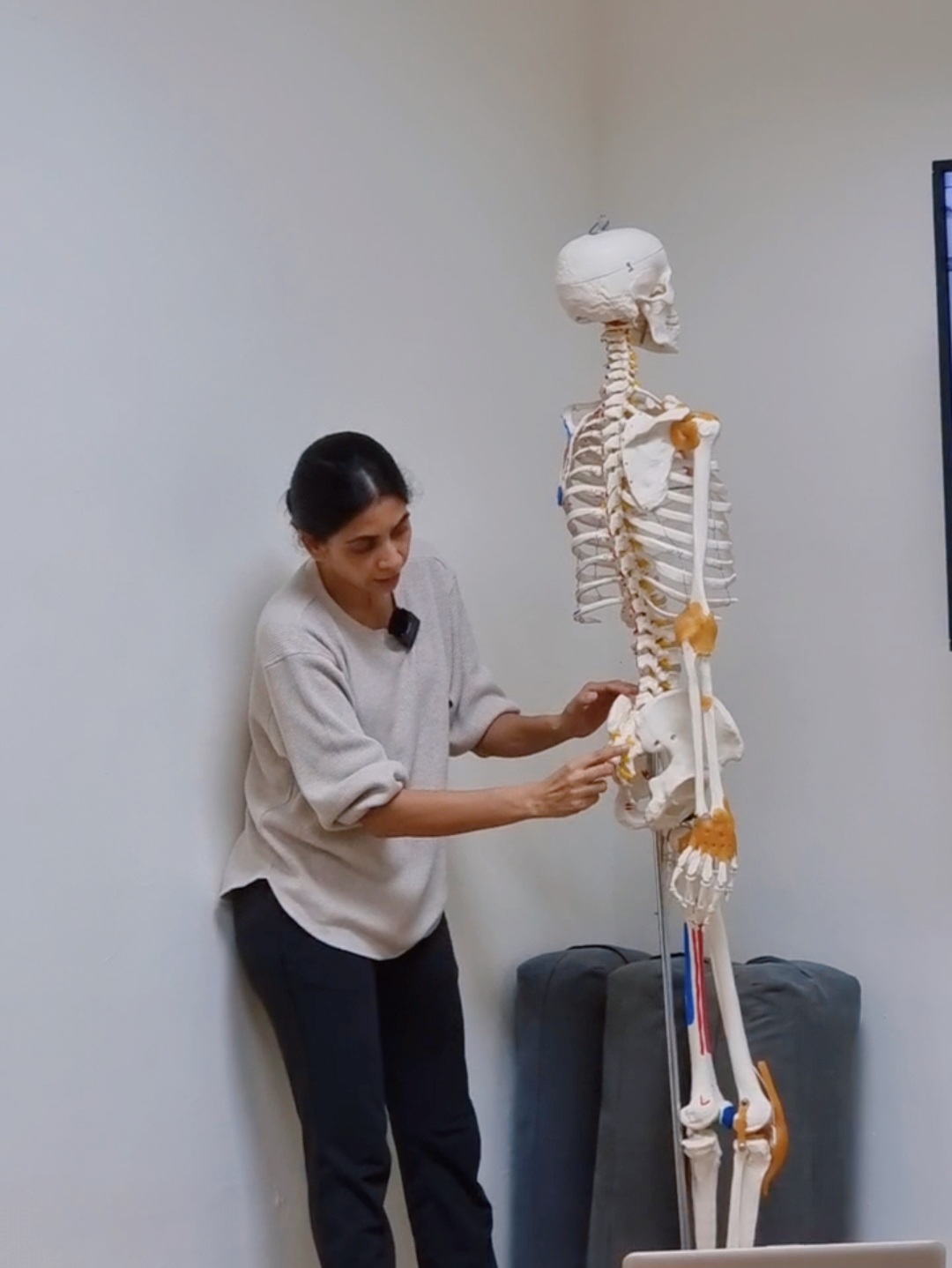
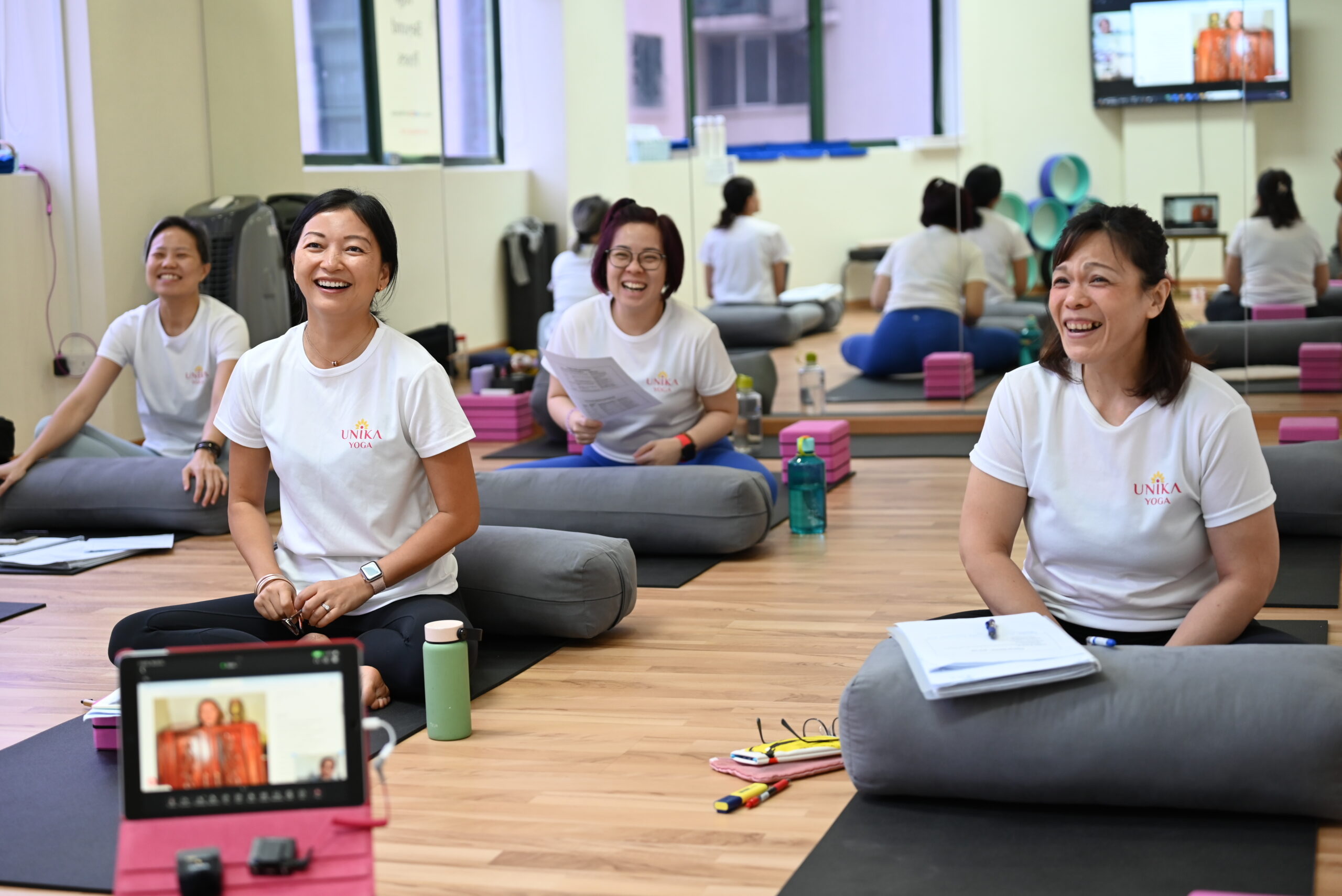
A comprehensive Yoga Therapy Certification Course focuses deeply on anatomy, biomechanics, common musculoskeletal conditions and various psychosomatic disorders. Teachers learn to identify the conditions and disorders, the pathophysiology of the conditions, how to modify yoga practice so that symptoms are not aggravated, and the yoga therapy practices to support management or recovery of the conditions.
Key Takeaways:
- Study common injuries and chronic conditions in detail
- Apply therapeutic techniques safely and effectively
- Experience the healing benefits through self-practice
Enrolling in a structured Yoga Therapy Course in Singapore also allows teachers to gain hands-on therapeutic experience while learning how to apply yoga safely for real-life health conditions.
Use Proven, Evidence-Based Methods
Scientific research increasingly supports yoga therapy. An NIH study shows that yoga therapy can significantly reduce chronic pain and improve quality of life. Through certified training, teachers learn how to transform a general group class into a targeted private or small-group therapy session with measurable outcomes.
Meeting Modern Client Needs in 2025
The needs of yoga students have changed significantly—especially post-pandemic.
Clients Want Targeted Therapeutic Support
A recent Mindbody report found that 60% of yoga practitioners now turn to yoga for specific health concerns rather than fitness alone. In Singapore, students commonly seek support for back pain, stress, anxiety, arthritis, and mobility-related issues.
This shift has increased demand for professionals who have completed advanced Yoga Therapy Training in Singapore, where both physical and mental health concerns are addressed in a holistic, structured way.
Bridging the Gap Between Yoga and Healthcare
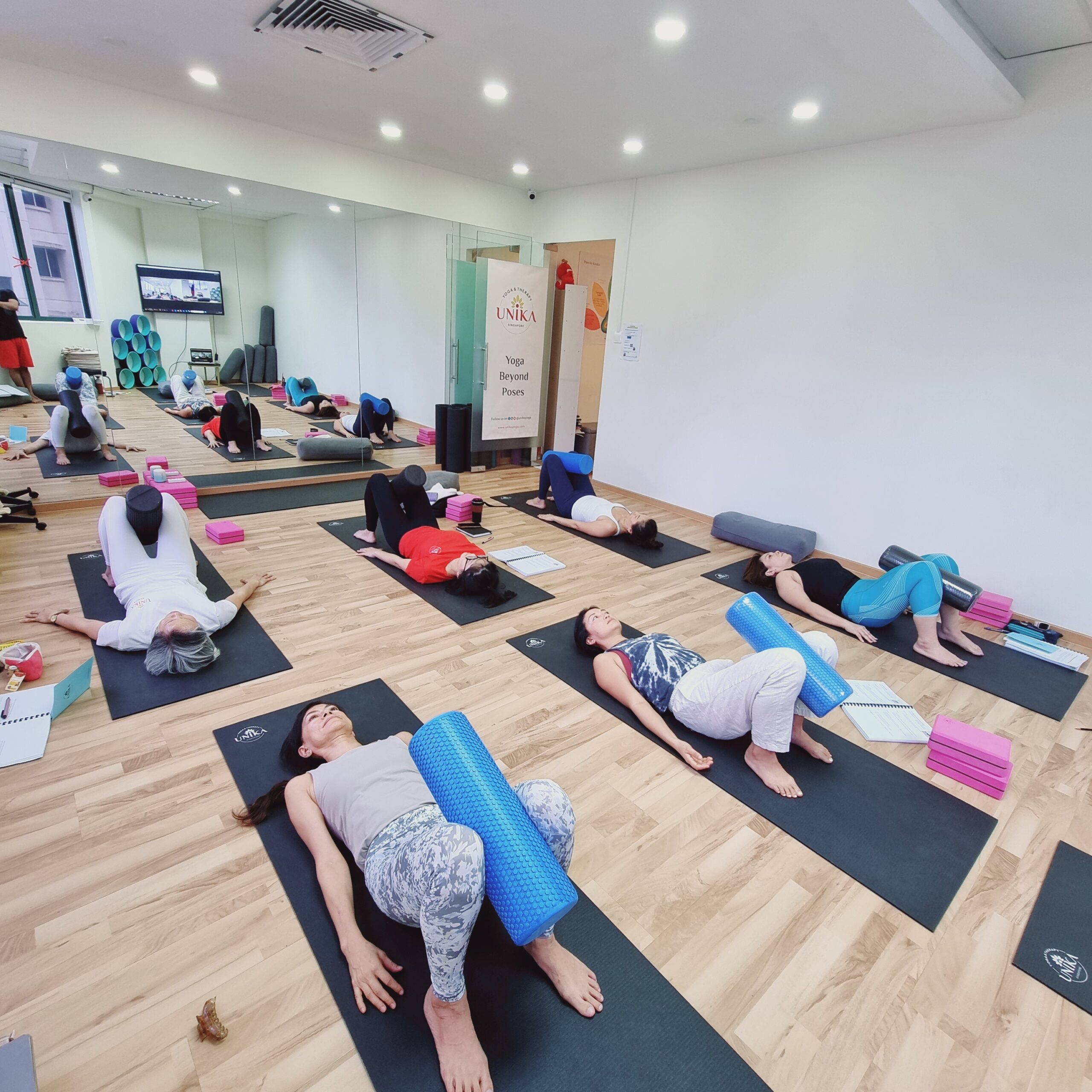
Yoga therapy roles are growing steadily worldwide. A Yoga Therapy Certification Course enables teachers to bridge the gap between medical treatment and holistic wellness—working alongside physiotherapists, doctors, and wellness centres when appropriate.
Actionable Step:
Survey your current students about recurring pain, past injuries, stress, or mobility challenges. You may discover a strong need for therapeutic yoga support within your existing community.
Supporting Mental and Emotional Wellbeing
Mental health awareness has become a major focus globally. Certifications in trauma-informed yoga therapy and yoga for mental health equip teachers to support students dealing with anxiety, burnout, and emotional stress.
Key Takeaways:
- Integrate breathwork (Pranayama) for nervous system balance
- Track client progress with simple assessment tools
- Create safe, supportive spaces for healing
Expand Your Career Path with Yoga Therapy Education
A Yoga Therapy Certification Course opens doors beyond standard studio classes. After certification, teachers often expand into:
- Ability to assess, explain and help students manage health concerns
- Customised practices or instructions for students with conditions
- One-on-one therapeutic sessions
- Workshops and wellness programmes
- Online yoga therapy education
- Corporate and community wellness initiatives
Whether completed online or in-person, yoga therapy training offers flexibility and long-term professional growth.
Gain Professional Credibility and Community
Choosing the right certification is about trust, mentorship, and standards.
Earn Recognised Yoga Therapy Credentials
Completing an accredited programme at Unika Yoga (Registered Yoga School) demonstrates professionalism and ethical practice. It signals to students, healthcare professionals, and wellness organisations that you are trained to work safely and responsibly.
Learn from Experts and Build Meaningful Connections
Training under an experienced mentor like Dr. Kuldeep gives teachers the confidence to handle complex cases and communicate effectively with other health professionals. Whether you choose an in-person programme or a blended online learning format, you become part of a dedicated yoga therapy community.
Personal Growth Through Yoga Therapy Practice
Beyond professional benefits, yoga therapy training supports deep personal growth. Many teachers report improved self-awareness, confidence, and clarity in both their teaching and personal practice.
Key Takeaways:
- Reflect through journaling and mindful self-practice
- Mentor newer teachers interested in yoga therapy
- Continue evolving as both a practitioner and educator
Conclusion: Is a Yoga Therapy Certification Course Worth It?
For yoga teachers seeking deeper impact, meaningful healing work, and long-term growth, the answer is clear.
A Yoga Therapy Certification Course equips you with advanced skills, meets the rising demand for health-focused yoga, and builds strong professional credibility. Whether you are exploring an introductory programme or an advanced specialisation, the value extends far beyond the mat.
If you are wondering “Is yoga therapy certification worth it?” or “How do I get yoga therapy certification in Singapore?”, we’re here to guide you.
Begin your yoga therapy journey with Unika Yoga Singapore and help more lives heal.
Frequently Asked Questions (FAQs)
1. Is a Yoga Therapy Certification Course worth it for yoga teachers?
Yes. A Yoga Therapy Certification Course helps yoga teachers move beyond general classes and work more confidently with students who have specific physical, emotional, or lifestyle-related concerns. It deepens teaching skills, builds professional credibility, and allows teachers to support healing in a more structured and responsible way.
2. Who can enroll in a Yoga Therapy Certification Course?
Most yoga therapy programmes are designed for certified yoga teachers, wellness professionals, and healthcare practitioners. However, requirements may vary by institution. At Unika Yoga, teachers with a strong foundation in yoga and a genuine interest in therapeutic application are encouraged to apply.
3. Can I do Yoga Therapy Certification online in Singapore?
Yes. Many teachers choose an online yoga therapy certification or a blended format that combines online learning with practical sessions. This flexible approach is ideal for working professionals based in Singapore or abroad.
4. What is the difference between a Yoga Teacher Training and Yoga Therapy Training?
A standard yoga teacher training focuses on teaching group classes, posture alignment, and sequencing. Yoga Therapy Training in Singapore goes deeper into anatomy, assessment, injuries, chronic conditions, and personalised therapeutic practices tailored to individual needs.
5. How long does a Yoga Therapy Certification Course usually take?
The duration varies depending on the programme structure. Some courses run over several months, while others are offered in modular or intensive formats. Both online and in-person options allow teachers to balance learning with their existing schedules.
6. Is yoga therapy suitable for mental health support?
Yes. Yoga therapy often includes breathwork, mindfulness, and trauma-informed practices that support mental and emotional wellbeing. Many teachers pursue yoga therapy training to better support students dealing with stress, anxiety, and emotional imbalance.
7. Why choose a Yoga Therapy Course in Singapore?
Singapore has a strong wellness ecosystem and a growing demand for holistic health solutions. Enrolling in a Yoga Therapy Course in Singapore provides access to experienced faculty, diverse student communities, and opportunities to apply therapeutic yoga in real-world settings.
This site uses Akismet to reduce spam. Learn how your comment data is processed.
Post a comment