
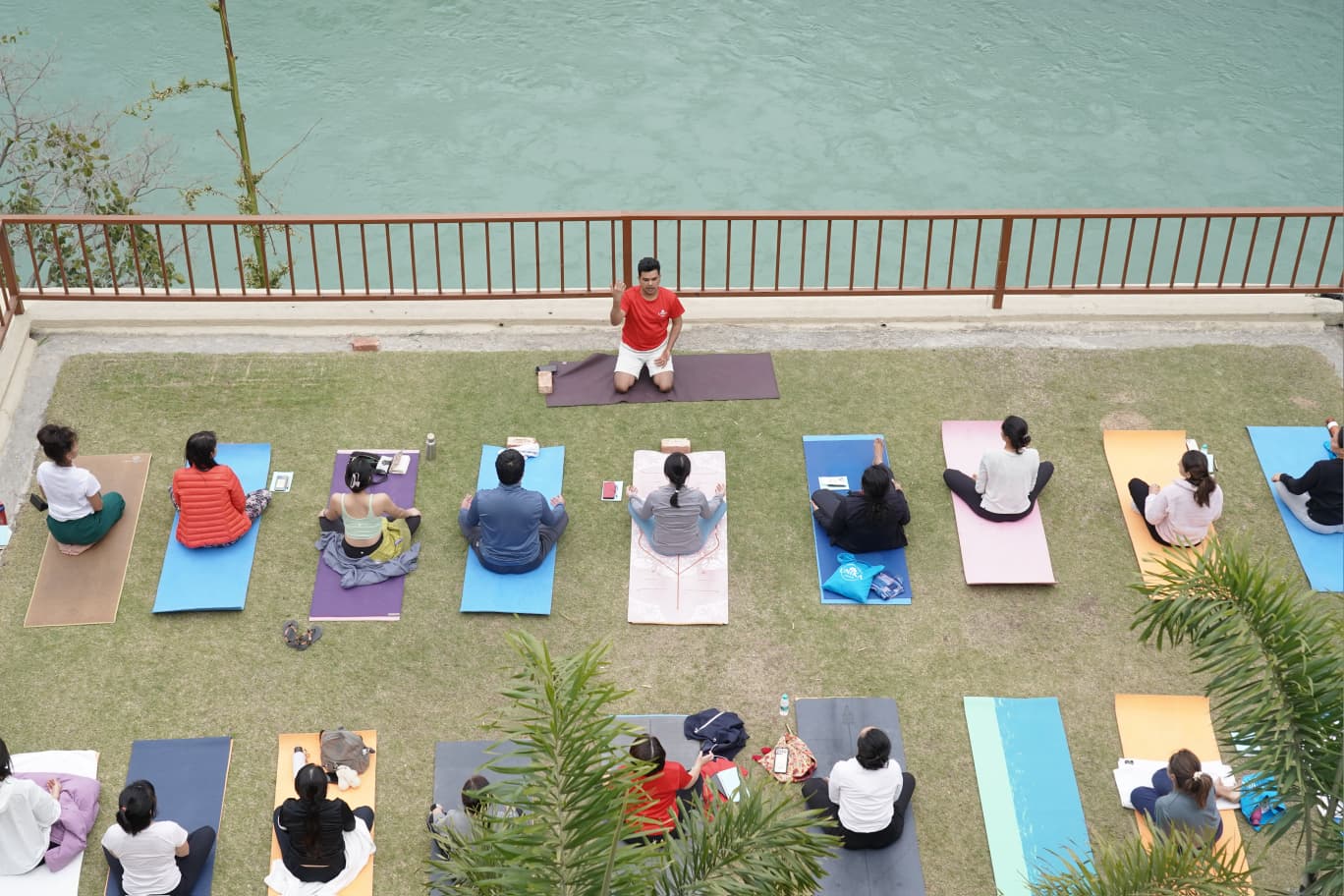
Yoga Retreats from Singapore: Benefits, What to Expect and How to Choose
A practical guide for anyone considering an overseas yoga and wellness retreat—from understanding what to expect to choosing a programme that genuinely suits you.
Why Consider a Yoga Retreat?
Life in Singapore can move quickly. Work responsibilities, family commitments, screen time and a constantly full schedule can leave little space to pause and reconnect with yourself. A yoga retreat offers something different from an ordinary holiday: dedicated time for yoga, pranayama, meditation, sound healing, rest and meaningful experiences away from the usual routine.
For some participants, a retreat is an opportunity to deepen an established practice. For others, it is their first experience of practising yoga consistently in a supportive environment. You do not need to be highly flexible, physically advanced or experienced in meditation to benefit. The most important consideration is choosing a retreat that matches your needs, interests and current level of practice.
Unika Yoga & Therapy has conducted overseas retreats in Bali, Rishikesh, Bhutan and Kazakhstan, combining authentic yoga practice with carefully planned cultural and nature-based experiences. Our upcoming retreat will take us to Inner Mongolia, offering another distinctive setting in which to practise, explore and reconnect.
What Is a Yoga Retreat?
A yoga retreat is an immersive programme built around regular yoga practice and time away from everyday demands. Depending on the destination and purpose, it may include asana, pranayama, meditation, sound healing, philosophy discussions, relaxation practices, mindful walks, local excursions or periods of personal reflection.
Unlike a regular class, a retreat allows participants to practise over several consecutive days. This continuity can create more time to understand alignment, observe the breath, explore meditation and develop a steadier personal practice. At the same time, a well-designed retreat should include enough rest and free time to experience the destination without feeling rushed.
Meaningful Benefits of a Yoga Retreat
1. Space to Slow Down
A change of environment can help interrupt the pace and habits of daily life. With fewer routine demands, participants often find it easier to rest, notice how they feel and give fuller attention to each practice.
2. A More Consistent Yoga Practice
Practising over several days creates continuity that can be difficult to achieve at home. Under experienced guidance, you can refine familiar postures, understand movement patterns and explore practices that may not fit into a standard studio class.
3. Breath Awareness and Mental Clarity
Pranayama, meditation and mindful movement encourage attention to turn inward. Many participants experience a greater sense of calm and clarity when they have time to practise without immediately returning to work, travel or household responsibilities.
4. Rest and Recovery
Retreat schedules often balance active sessions with relaxation, nourishing meals, adequate sleep and time in nature. This rhythm may help participants return home feeling rested and refreshed. Individual experiences vary, so a retreat should support rather than pressure the body.
5. Learning Beyond the Postures
A retreat can offer space to explore pranayama, meditation, yoga philosophy and the intention behind practice. These elements help participants understand yoga as more than physical exercise and provide tools that can continue to support daily life.
6. Community and Shared Experience
Travelling and practising with a group can create sincere connections. Meals, excursions and practice sessions offer natural opportunities to meet people with similar interests while still allowing space for quiet time.
What to Expect During a Yoga Retreat
Every programme is different, but a typical day may include a morning practice, breakfast, an excursion or workshop, personal rest time and an evening session. Some retreats are practice-intensive, while others place equal emphasis on yoga, relaxation and cultural exploration.
A possible retreat day
- Morning meditation or pranayama
- Guided asana practice
- Breakfast
- Cultural or nature-based activity
- Free time
- Evening yoga, meditation, sound bath or relaxation
- Dinner and rest
Before booking, read the actual itinerary rather than assuming that every retreat follows the same format. Confirm the daily practice hours, physical intensity, accommodation, meals, transport, excursions and amount of free time.
Are Yoga Retreats Suitable for Beginners?
Yes. Many yoga retreats welcome beginners, but it is important to check the stated experience level. A beginner-friendly retreat should offer clear instruction, sensible progressions and alternatives for different bodies and abilities. Speak with the organiser before booking if you have an injury, medical condition, mobility concern or uncertainty about the physical demands.
Experienced practitioners should also look beyond labels such as ‘advanced’. Consider whether the programme provides the depth, teaching approach and balance of practice and rest that you want.
How to Choose the Right Yoga Retreat
- Clarify what you want from the experience. Is your priority deeper practice, rest, meditation, cultural immersion, time in nature or a balanced combination?
- Review the teacher’s experience and approach. Look for relevant qualifications, substantial teaching experience and a clear commitment to safe, inclusive guidance.
- Check the pace and physical level. Ask about the yoga styles, duration of sessions and whether variations will be offered.
- Study the itinerary. A good programme should clearly explain the balance between practice, excursions, rest and personal time.
- Understand the group size. Smaller groups may allow more individual support and create a closer sense of community.
- Confirm what the fee includes. Review accommodation, meals, local transport, activities, entrance fees and any optional expenses.
- Read the practical policies. Understand the payment schedule, cancellation terms, travel insurance requirements and arrangements if the itinerary changes.
Questions to Ask Before Booking
- What yoga experience or fitness level is required?
- Who will lead the yoga sessions, and what is their teaching background?
- How many hours of practice are scheduled each day?
- Which meals, activities, transfers and excursions are included?
- What type of accommodation is provided, and are single rooms available?
- Can dietary requirements be accommodated?
- How much free time is included?
- What should I bring for the climate and planned activities?
- Are flights and travel insurance arranged separately?
- What are the payment and cancellation conditions?
Choosing a Retreat Destination
The destination shapes the atmosphere of a retreat, but it should complement—not replace—the quality of the teaching and organisation. Unika’s past and upcoming retreat destinations each offer a different setting for practice and exploration.
- Bali, Indonesia: A tropical setting known for lush landscapes, established wellness culture and opportunities to combine yoga with nature and local experiences.
- Rishikesh, India: A place of deep significance in the yoga tradition, situated beside the Ganga and closely associated with ashrams, meditation and classical teachings.
- Bhutan: A Himalayan destination where mountain landscapes, Buddhist culture and a slower pace can support reflection and mindful travel.
- Kazakhstan: A vast and varied landscape offering a distinctive combination of natural beauty, outdoor exploration and cultural discovery.
- Inner Mongolia, China — Upcoming: An expansive region shaped by grasslands, local traditions and dramatic open landscapes. Full programme details will be shared with the official retreat announcement.
How to Prepare for Your First Yoga Retreat
- Practise regularly before travelling, without trying to force rapid physical progress.
- Share relevant injuries, health considerations and dietary needs with the organiser early.
- Read the packing list and prepare for the destination’s climate, terrain and local customs.
- Arrange appropriate travel insurance and check passport, visa and entry requirements.
- Allow yourself to participate without comparing your practice with others.
- Keep some space in your schedule after returning, when possible, rather than rushing immediately back into a demanding routine.
Yoga Retreats with Unika Yoga & Therapy
At Unika, a retreat is not approached simply as a sightseeing holiday with a few yoga classes added. Practice remains at the heart of the experience, supported by thoughtful guidance, suitable progression and respect for every participant’s individual journey.
Retreats are led by Dr Kuldeep K. Kushwah, Founder and Director of Unika Yoga & Therapy. With a PhD in Yoga and more than 24 years devoted to practising, studying and teaching yoga, he offers experienced and thoughtful guidance throughout the retreat. His approach combines traditional yoga knowledge with in-depth asana teaching, precise alignment, pranayama and meditation, while adapting each practice responsibly to suit individual needs and abilities.
Our intention is to create a structured yet welcoming environment where participants can practise sincerely, discover a destination with cultural sensitivity and return with experiences that remain meaningful beyond the retreat itself.
A Thoughtful Step Away
A yoga retreat can offer valuable time to practise, rest, learn and see daily life from a different perspective. The right retreat is not necessarily the longest, most luxurious or most physically demanding. It is the one that aligns with your needs and is guided with clarity, experience and care.
If you are considering joining an overseas yoga retreat from Singapore, take time to understand the programme, ask questions and choose an experience in which you feel supported.
Explore with Unika
Unika Yoga & Therapy has conducted retreats in Bali, Rishikesh, Bhutan and Kazakhstan. Our upcoming Inner Mongolia retreat will be announced soon. Contact us to register your interest or to receive the latest retreat details.
Frequently Asked Questions
Do I need to be flexible to join a yoga retreat?
No. Flexibility is not a requirement for yoga. Choose a retreat appropriate for your level and inform the teacher of any physical concerns.
Can I join alone?
Yes. Many participants travel independently and become part of the group during the retreat. Ask the organiser about room-sharing arrangements if relevant.
Is a yoga retreat only for experienced practitioners?
No. Retreats may be beginner-friendly, mixed-level or intended for experienced practitioners. Always check the programme description before booking.
How much does a yoga retreat cost?
The fee depends on the destination, duration, accommodation, group size and inclusions. Review the full package and possible additional expenses rather than comparing only the headline price.
Will I have personal time?
This varies by itinerary. A balanced retreat normally provides some time to rest or explore independently, but the exact schedule should be confirmed before booking.