
What Comes After a 200-Hour Yoga Teacher Training? A Guide to Advanced Yoga Education
By Unika Yoga & Therapy
Completing a 200-hour yoga teacher training is an important milestone. It gives you a foundation in yoga practice, teaching methodology, asana, alignment, anatomy, pranayama, meditation and philosophy.
But it is still a foundation.
Once the course finishes, many graduates naturally begin to ask:
What should I learn next? Should I start teaching? Do I need advanced training? Should I specialise? Or should I simply spend more time practising?
There is no single path that every yoga teacher needs to follow.
For some, the next stage is teaching and gaining experience. For others, it is strengthening their personal practice, attending workshops, studying anatomy or philosophy, working individually with an experienced teacher, or undertaking advanced or specialised training.
The years after a 200-hour training can therefore be viewed not as a race towards the next certificate, but as a period of continuing yoga education.
What Does a 200-Hour Yoga Teacher Training Give You?
A well-structured 200-hour yoga teacher training provides the foundation from which further learning can develop.
Students generally study areas such as asana practice and teaching, alignment, modifications, basic anatomy and physiology, pranayama, meditation, yoga philosophy, sequencing and teaching methodology. They also begin learning how to observe students and communicate instructions clearly and safely.
But 200 hours cannot cover every aspect of yoga in depth.
You may have learned the principles of alignment, but understanding different bodies takes experience. You may have studied anatomy, but applying that knowledge while observing students develops over time. You may have practised teaching during your course, but managing a real class presents new situations.
This is why graduation should not be viewed as the point at which learning ends.
It is the point from which experience and deeper study begin to work together.
Different Paths After a 200-Hour Yoga Teacher Training
1. Begin Teaching and Build Experience
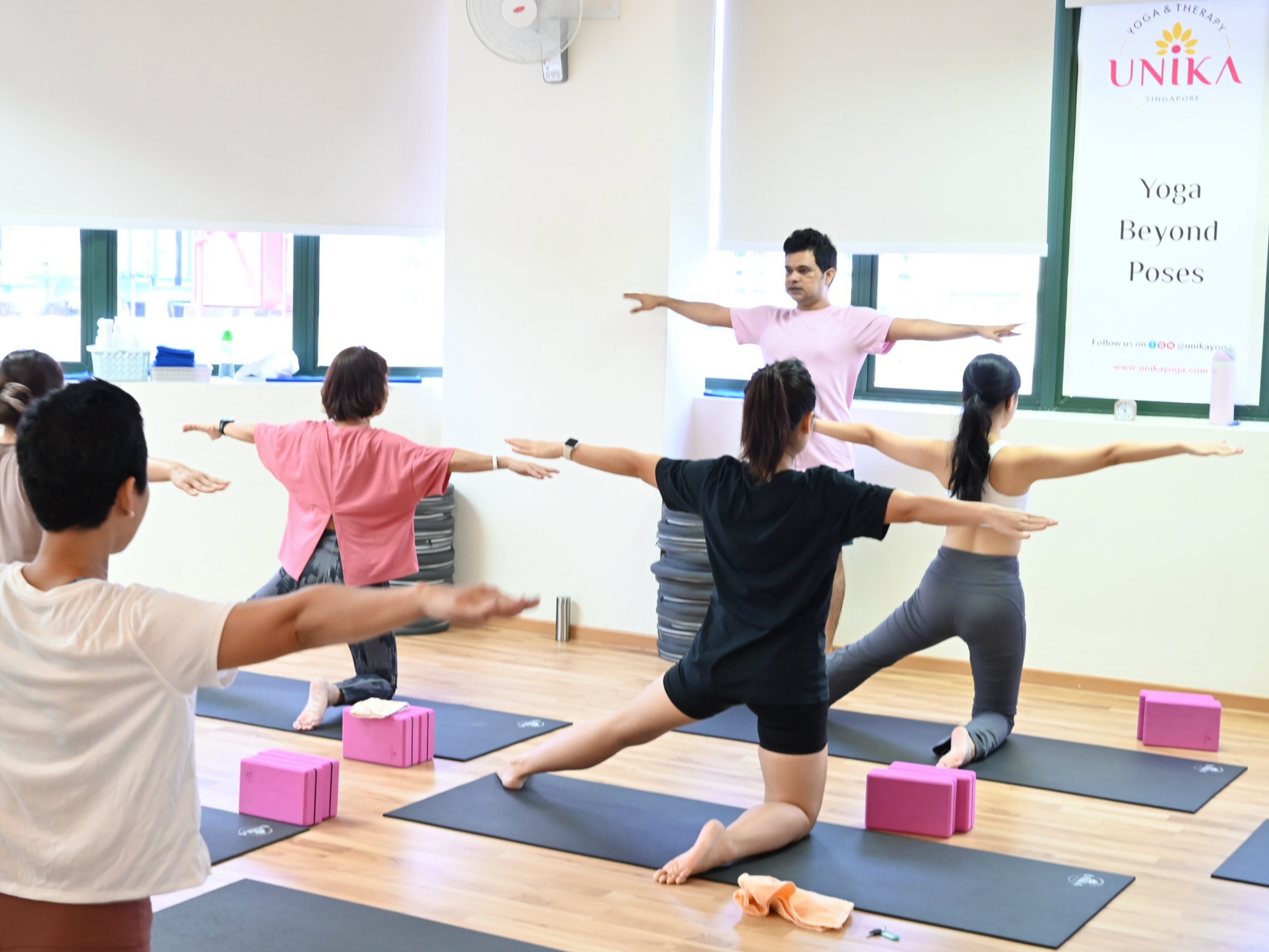
For graduates who want to teach, one of the most valuable next steps is simply to begin.
You do not necessarily need to start with large studio classes. Teaching friends, small groups, community sessions or beginner classes can help you gradually develop confidence.
Real teaching introduces questions that may not arise during training.
Why does one student struggle with a posture that another finds easy? How can you explain the same movement in another way? When should you offer a modification? How do you manage students of different abilities within one class?
These experiences gradually develop your ability to observe, communicate clearly and make sound teaching decisions.
After teaching, reflect on the class. Consider what worked, where students needed more guidance and what you would change next time.
Teaching experience itself becomes part of your education.
2. Continue Being a Student
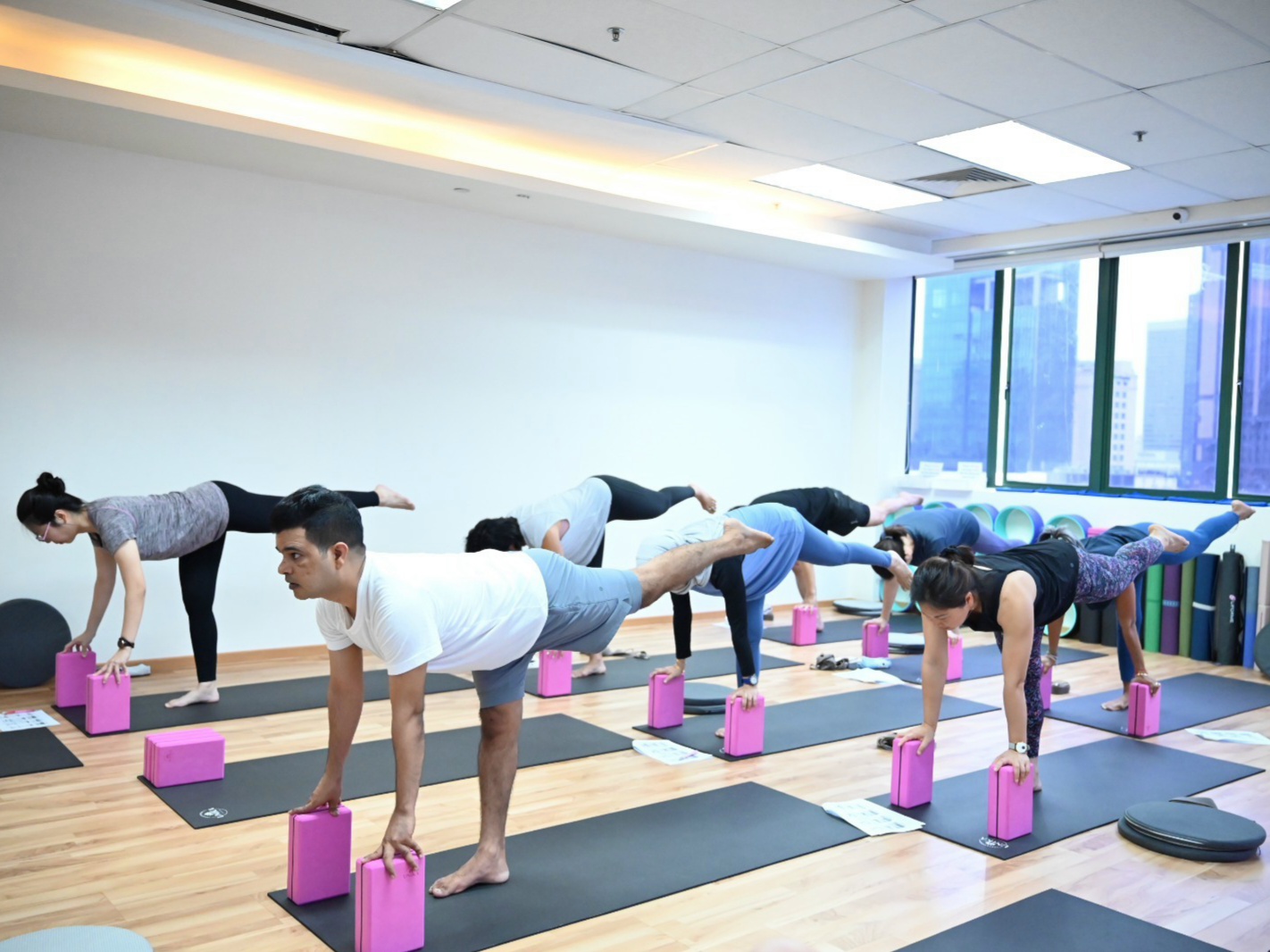
Becoming a yoga teacher should not mean that you stop attending yoga classes.
In fact, continuing to learn from experienced teachers can become even more valuable after teacher training.
Attend different classes. Experience different approaches to sequencing and instruction. Notice how experienced teachers communicate, observe students, offer modifications and manage the rhythm of a class.
At the same time, allow yourself simply to practise.
There is a difference between practising yoga and demonstrating yoga while teaching. Teachers also need time when they are not responsible for anyone else’s practice.
Regular group classes can help maintain that connection.
3. Develop a Consistent Self-Practice
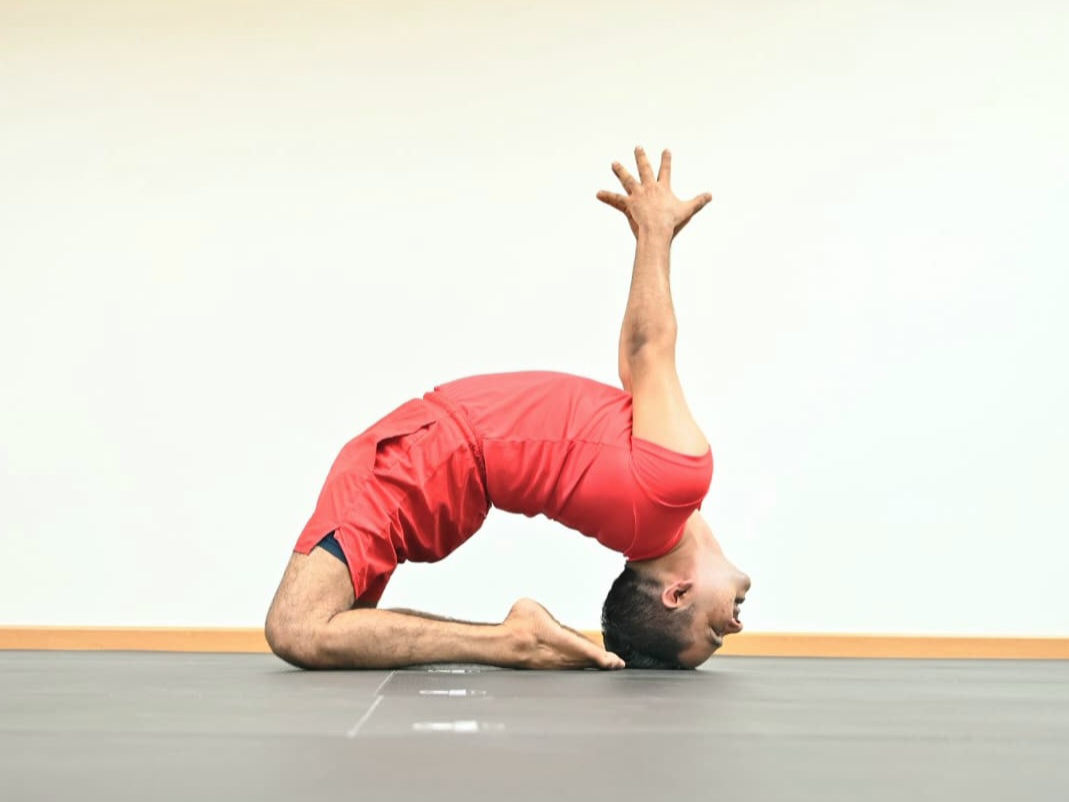
A teacher’s own practice remains one of the most important parts of continuing education.
Self-practice gives you time to explore what you learned during teacher training without the pressure of teaching or following another person’s sequence.
This might include asana, pranayama, meditation, relaxation, kriya or study of traditional practices, depending on your background and level of experience.
It also gives you an opportunity to observe your own body and mind.
Over time, personal experience helps distinguish between something you have simply learned intellectually and something you genuinely understand through practice.
4. Keep Upgrading Your Skills Through Workshops

Continuing education does not always require another long teacher-training programme.
Focused workshops can be an excellent way to deepen one particular area.
A teacher might choose workshops in:
- Alignment and safe adjustment
- Anatomy and biomechanics
- Sequencing
- Backbends
- Hip opening and splits
- Arm balances and inversions
- Pranayama
- Meditation
- Kriya, mudra and bandha
- Ashtanga Vinyasa
- Yoga philosophy
- Injury prevention
- Therapeutic applications of yoga
Workshops become particularly useful once you have some teaching experience because you begin arriving with your own questions.
Instead of learning simply because something is included in a curriculum, you are learning because you have identified an area you genuinely want to understand better.
5. Learn Individually From an Experienced Teacher
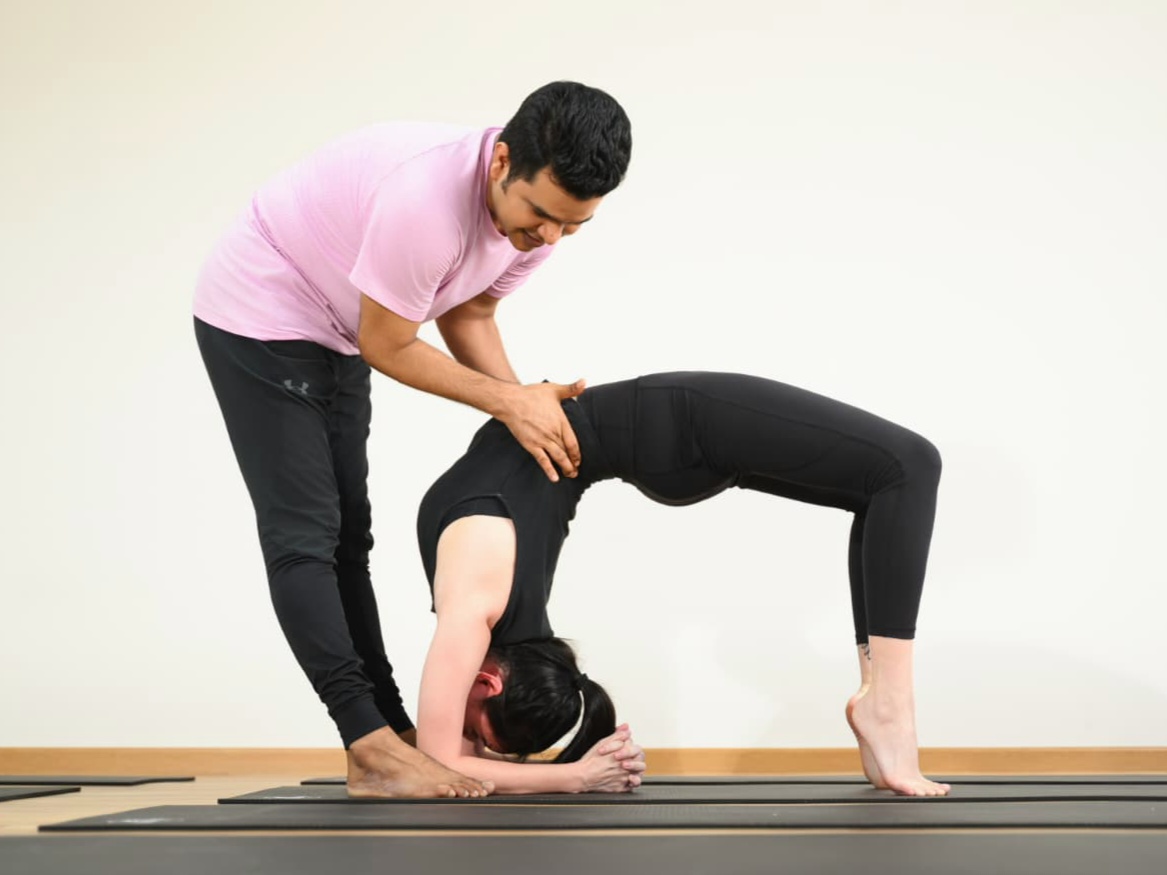
Some areas are difficult to refine in a large group.
Personal yoga training or one-to-one mentoring allows an experienced teacher to observe your practice closely and work with your individual needs.
For example, you may want to understand why you are struggling with a particular movement, improve your alignment, develop an advanced asana safely, work on pranayama or discuss questions that have arisen while teaching.
Individual learning can be especially useful when you have a specific goal rather than wanting another broad certification.
It does not replace independent practice or formal education. It complements them.
6. Consider Advanced Yoga Teacher Training
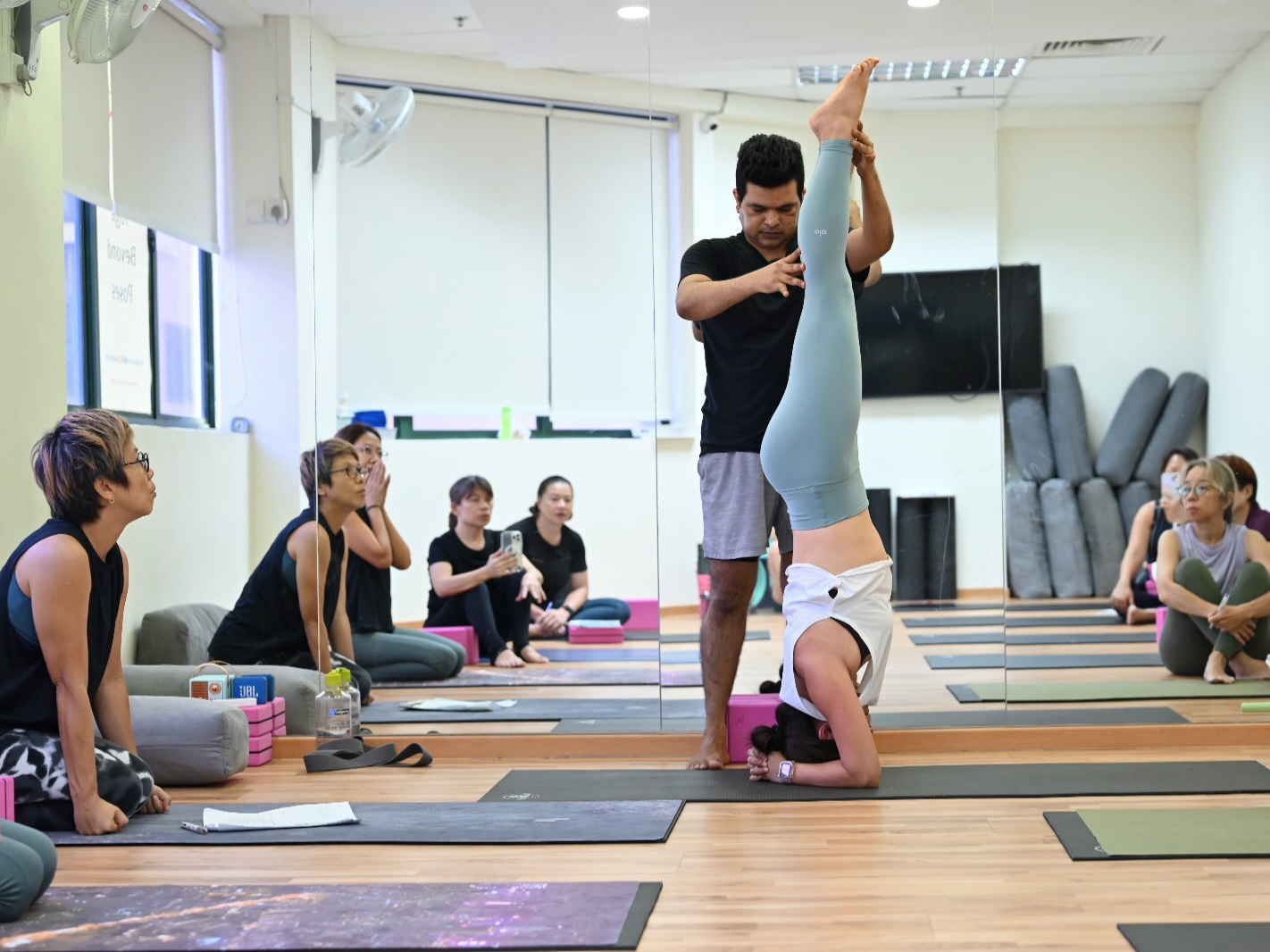
After developing a strong foundation, some teachers choose more structured advanced yoga teacher training.
Advanced training should mean more than learning visually impressive postures.
A meaningful advanced programme may explore more complex asanas and their preparation, deeper alignment and biomechanics, advanced pranayama, kriya, mudra, bandha, philosophy and more refined teaching skills.
More importantly, advanced education should develop an understanding of progression.
How do you prepare the body for a challenging posture? What should come before it? When should a student progress? When should they modify? When is it better not to practise something?
These questions are just as important as achieving the final posture.
Advanced programmes vary considerably in length and emphasis. Some teachers choose shorter programmes before committing to longer advanced studies.
For example, Unika Yoga & Therapy offers a 100 Hours Advanced Yoga Teacher Training Course for teachers and experienced practitioners who want to deepen advanced asana, alignment, biomechanics, pranayama, kriya, mudra, bandha and related aspects of Hatha Yoga.
The important consideration is not simply the number of hours. Look carefully at what is taught, how it is taught and whether it corresponds to what you genuinely need to learn next.
7. Explore Specialised Yoga Teacher Training

Another direction is specialisation.
As you teach, you may discover that you particularly enjoy working with a certain population or style of practice.
This might lead to additional education in areas such as:
- Prenatal and postnatal yoga
- Kids or children’s yoga
- Yin Yoga
- Restorative Yoga
- Yoga for older adults
- Meditation
- Pranayama
- Ashtanga Yoga
- Chair-based practices
- Wheel Yoga
- Sound bath and sound healing practices
- Other population-specific or practice-specific approaches
Specialisation can expand the people you are able to work with, but it should be chosen thoughtfully.
Teaching pregnancy, children, older adults or people with particular physical limitations requires more than knowing a different sequence. The teacher needs to understand the population, relevant precautions, appropriate modifications and the boundaries of their training.
Choose specialised courses for their depth and relevance, rather than simply accumulating certificates.
8. Study Anatomy and Movement More Deeply
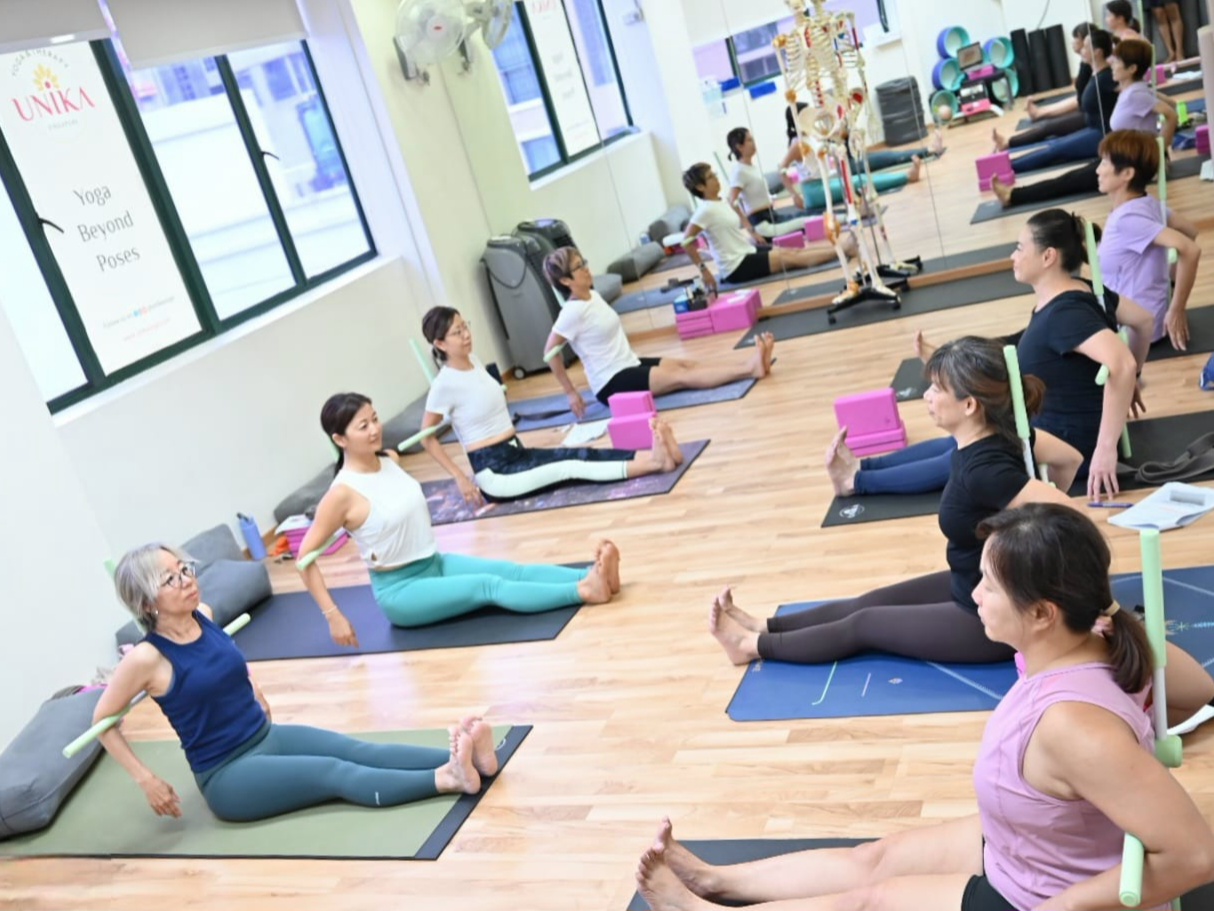
Basic anatomy is usually included in foundational yoga teacher training, but the human body is far too complex to understand fully within one introductory course.
Teachers can continue studying functional anatomy, biomechanics and movement.
This can improve the way you observe students and help you understand why one alignment instruction may not be appropriate for every body.
Over time, teachers often move away from trying to make every student look identical in a posture and towards understanding individual structure, mobility, stability and function.
Anatomy education is therefore not separate from yoga teaching. It can help make teaching more informed and adaptable.
9. Explore Yoga Therapy Education
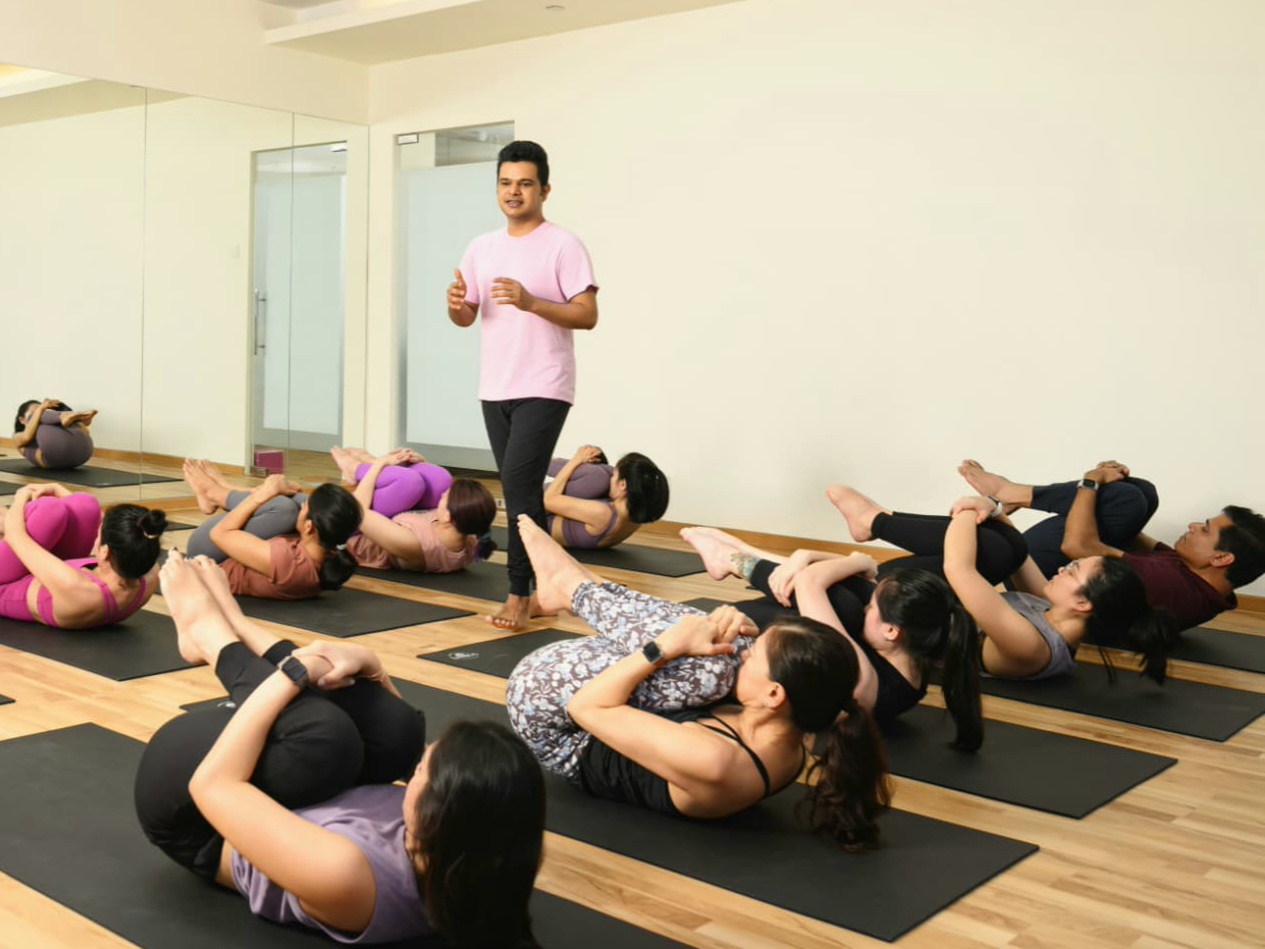
Some teachers eventually become interested in the therapeutic application of yoga.
This is different from simply teaching a general class designed for wellbeing.
Yoga therapy education generally requires deeper study of individual assessment, health conditions, contraindications, appropriate adaptation of practices, case planning and professional boundaries.
Depending on the programme, students may study how asana, pranayama, relaxation, meditation and other yogic practices can be adapted to support individual needs.
For example, Unika Yoga & Therapy’s 300 Hours Yoga Therapy Certification Course is one pathway for teachers who want structured education in therapeutic applications of yoga, individual assessment and case-based learning.
Yoga teachers should also understand the limits of their professional scope. Yoga education should not be used to diagnose medical conditions or replace appropriate healthcare.
For someone interested in this direction, further education and responsible mentorship become particularly important.
10. Study Yoga Beyond Asana

Another natural progression after teacher training is to explore the broader tradition of yoga.
During a 200-hour course, philosophy and traditional texts are often introduced, but there is much more to study.
You might continue exploring subjects such as:
- Patanjali’s Yoga Sutras
- The Bhagavad Gita
- Hatha Yoga texts and traditions
- The eight limbs of yoga
- Pranayama
- Meditation
- Kriya
- Mudra and bandha
- Yogic concepts of mind and awareness
- The historical development of different yoga traditions
This type of learning may not immediately change the appearance of your yoga class, but it can gradually change your understanding of what you are teaching.
Yoga education should ultimately extend beyond physical postures.
11. Find Mentorship and Learn From Experienced Teachers

Graduation often means leaving the structured environment in which a trainer was available to answer questions.
But questions usually increase once you begin teaching.
Having an experienced teacher or mentor to speak with can therefore be extremely valuable.
You may need guidance about a student’s limitation, sequencing, modifications, teaching language, class management or your own practice.
Good mentorship does not mean depending on someone for every answer. It helps you learn how to think, observe and make responsible teaching decisions independently.
12. Learn Through Yoga Retreats and Immersive Practice

A yoga retreat or practice immersion offers a different kind of learning from teacher training.
Instead of concentrating primarily on certification or teaching methodology, an immersion gives you sustained time for practice, reflection and study away from your normal routine.
Depending on the retreat, this may include asana, pranayama, meditation, philosophy, nature, silence or other contemplative practices.
For teachers who spend much of their time guiding others, occasionally returning to the role of practitioner can be particularly valuable.
13. Continue Self-Study

Formal courses are only one part of education.
Read. Revisit your training manuals. Study reputable books and resources. Keep notes from classes and workshops. Return to subjects you did not fully understand during your initial training.
Interestingly, material you encountered during your 200-hour course may make much more sense after six months or a year of teaching.
Keep a notebook of questions that arise from your practice and classes.
Those questions can gradually tell you what you need to study next.
You Don't Need to Collect Certifications
There can sometimes be pressure after teacher training to move immediately to the next qualification.
But more certificates do not automatically make someone a better yoga teacher.
A teacher who has spent time practising, teaching, observing, studying and reflecting may develop greater depth than someone who moves rapidly from one certification to another without allowing time to integrate what has been learned.
There may be periods when another course is exactly what you need.
There may also be periods when what you need is simply practice, teaching experience and time.
Both are part of education.
So, What Should You Do After 200 Hours?
Think first about where you want to grow.
If you want to become more confident as a teacher, teach regularly, observe experienced teachers, and seek feedback or mentorship.
If your own practice needs development, attend classes, maintain self-practice and consider individual training.
If you want deeper technical knowledge, explore workshops, anatomy education and advanced yoga teacher training.
If you are drawn towards a particular population or style, consider appropriate specialised teacher training.
If you are interested in therapeutic applications, explore yoga therapy education carefully and progressively.
If you want a deeper understanding of yoga itself, continue studying pranayama, meditation, philosophy and traditional texts alongside asana.
Most teachers eventually combine several of these pathways.
There is no universal sequence.
What If You Are Still Considering a 200-Hour Yoga Teacher Training?
You do not have to wait until graduation to think about what comes afterwards.
Understanding the longer learning journey can actually help you choose your first teacher-training programme more carefully.
A 200-hour training should not promise to make you an expert in every aspect of yoga.
Instead, it should give you a strong and responsible foundation from which you can continue practising, teaching and learning.
When comparing programmes, consider:
- The depth and balance of the curriculum
- The experience of the trainers
- How much practical asana teaching is included
- Whether alignment and modifications are taught carefully
- How anatomy is connected with actual practice
- Whether students practise teaching
- Whether feedback and assessment are provided
- Whether the programme includes pranayama, meditation and philosophy alongside asana
- Whether there is continuing support after graduation
If you are considering beginning this journey, you can read more about Unika Yoga & Therapy’s 200 Hours Yoga Teacher Training Course as one example of a foundational teacher-training pathway.
There Is No Final Stage of Learning
A 200-hour yoga teacher training can give you the foundation to begin a much longer journey.
What comes afterwards may include teaching, regular group classes, self-practice, workshops, personal training, mentorship, retreats, specialised teacher training, advanced yoga education, yoga therapy or deeper study of philosophy and traditional practices.
You do not have to do everything.
And you do not have to do everything immediately.
Choose the areas that are relevant to your practice and the people you hope to teach. Give yourself enough time to practise what you have learned before continually adding something new.
A certificate marks the completion of a course. It does not mark the completion of your education.
At Unika Yoga & Therapy, this principle guides how we approach continuing yoga education. Alongside foundational 200 Hours Yoga Teacher Training, teachers and practitioners can continue learning through advanced yoga teacher training, yoga therapy education, workshops, group practice and individual training.
The right next step is not necessarily the biggest course.
It is the learning that helps you become a more knowledgeable practitioner and a more responsible, capable teacher.
Not Sure What to Learn Next?
Every teacher’s journey is different. If you would like guidance on choosing the next step based on your experience, interests and teaching goals, our team will be happy to speak with you.
Contact Unika Yoga & Therapy or WhatsApp us at +65 8300 7895