Sound Bath Meditation: A Passive Way to Experience Deep Rest
Do you feel mentally tired even after sleeping? Is it hard to switch off your thoughts at night?
Modern life often keeps the mind active for long hours. Screens, conversations, and constant information can make it difficult to switch off. Many people look for ways to rest deeply without adding another task to their routine.
Sound bath meditation is one approach that offers rest without effort. It is often described as a passive meditation practice because participants simply lie down and receive sound. There is nothing to perform, control, or achieve.
This article explains what sound bath meditation is, how it works, and why many people use it as a way to experience genuine rest.
What Is Sound Bath Meditation?
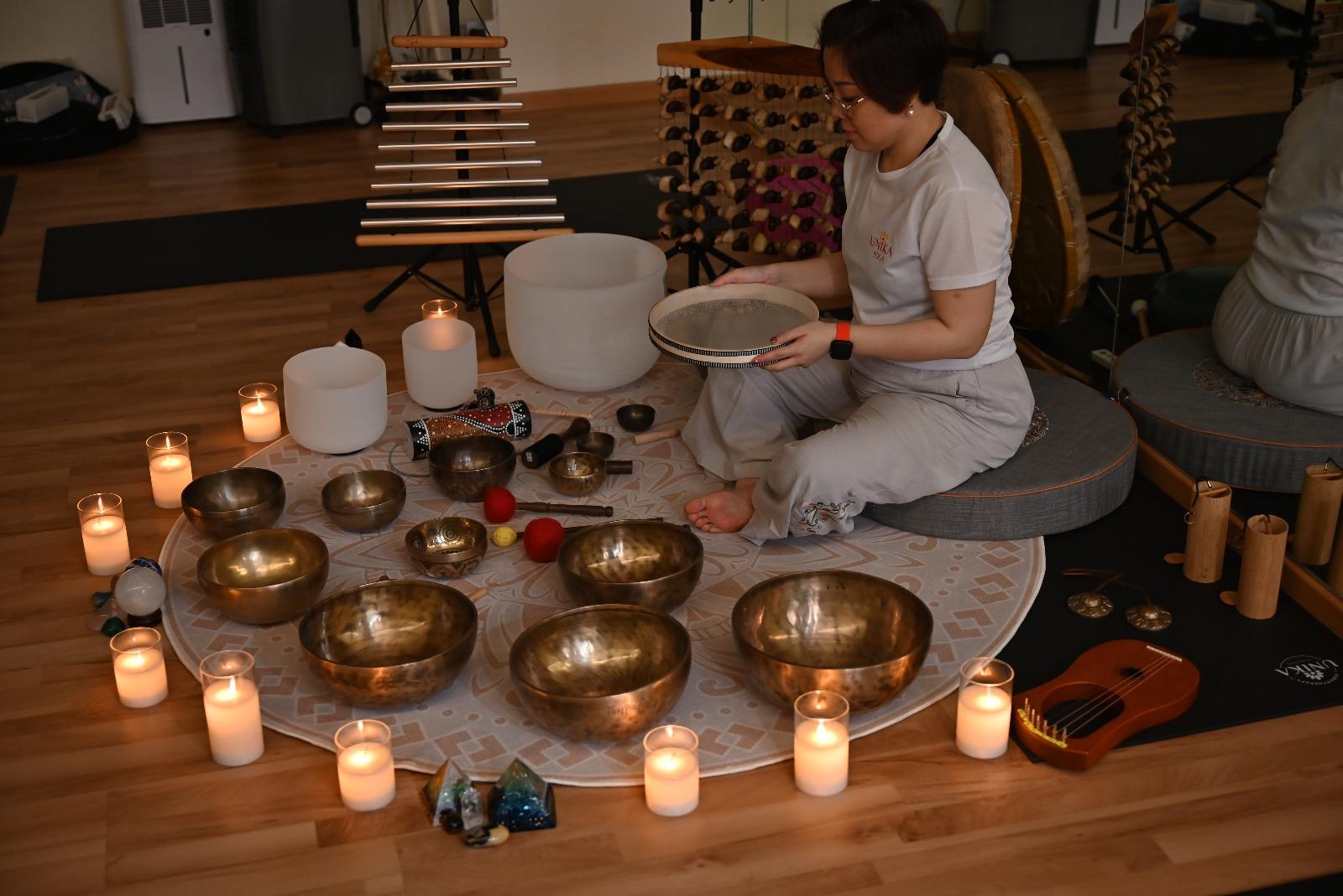
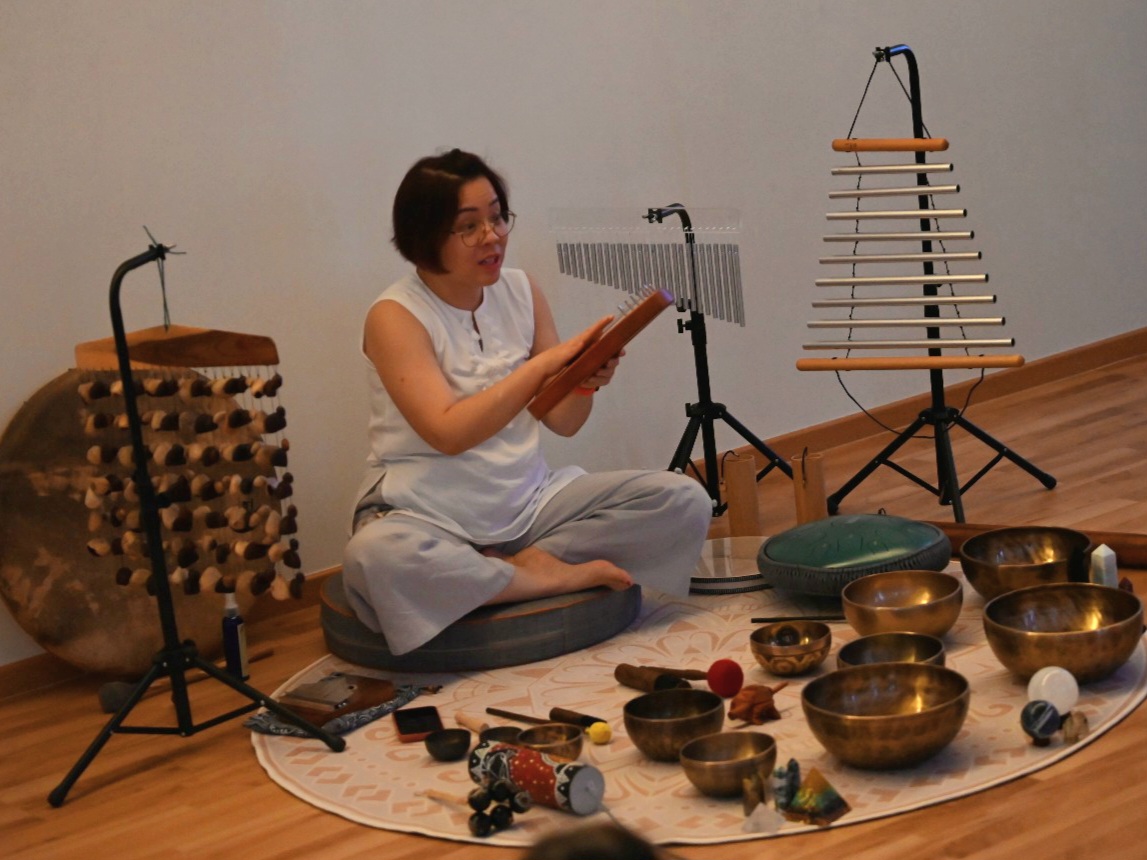
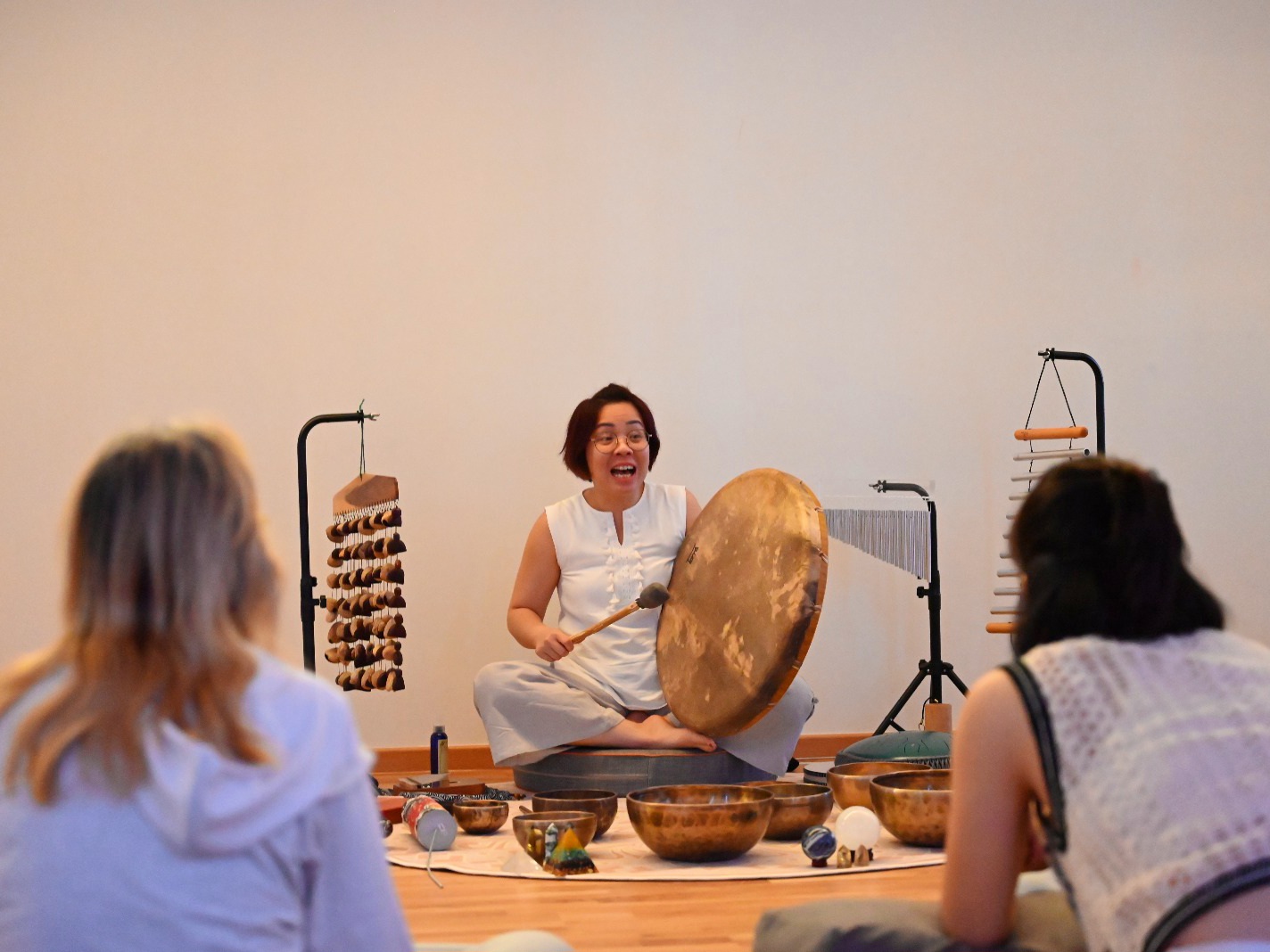
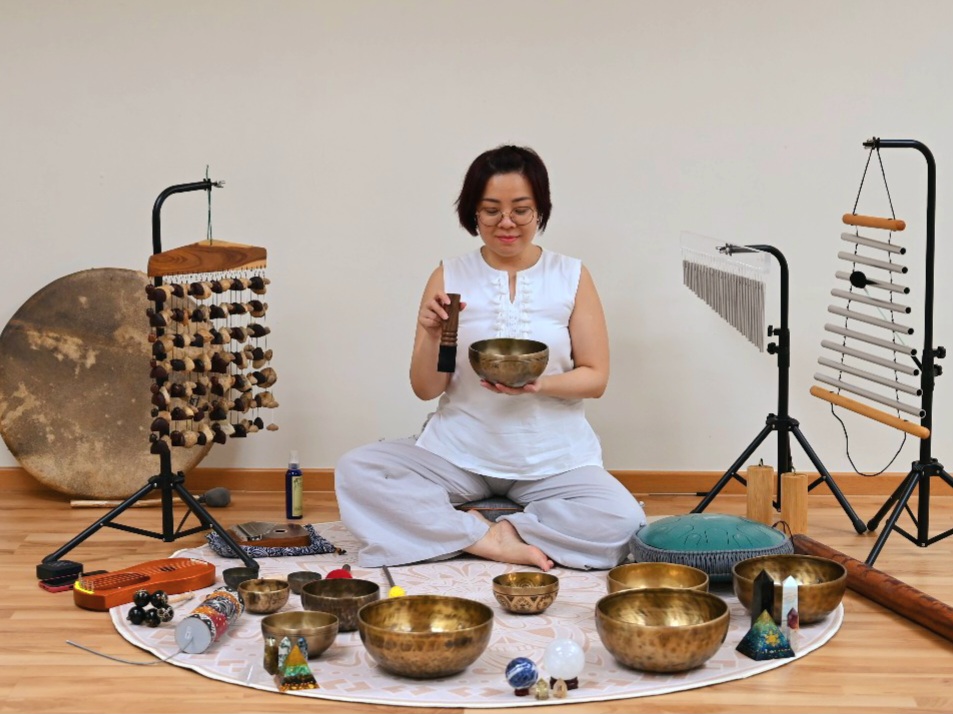
Sound bath meditation is a guided relaxation experience where participants lie down and are immersed in sound vibrations. These sounds are created using instruments such as singing bowls, gongs, and chimes.
Unlike regular music, sound healing meditation focuses on sustained tones and frequencies rather than rhythm or lyrics. The purpose is not entertainment. Instead, it is to support deep relaxation and nervous system balance.
A sound therapy session is considered passive because participants do not actively control their breath or thoughts. There is no specific technique to master. The body naturally responds to the sound vibrations.
This differs from active meditation practices, such as mindfulness or breath awareness, where attention must be directed intentionally. In sound bath meditation, awareness is receptive rather than focused.
At Unika Yoga, sessions are structured to provide a calm and steady sound environment. The emphasis is on creating a safe space where participants can rest without expectation.
How Does Sound Bath Meditation Work?
Sound bath meditation works through sound frequencies and vibration. When the instruments are played, they produce tones that travel through the air and into the body.
Because the human body is largely made of water, it can conduct vibration effectively. Many participants report feeling subtle sensations such as warmth or gentle tingling during vibrational healing sessions.
One concept often associated with sound healing is brainwave entrainment. The brain naturally produces electrical patterns known as brainwaves. These include beta waves (alert state), alpha waves (relaxed state), and theta waves (deep relaxation or early sleep state).
During a sound bath, steady tones may encourage the brain to shift from an active beta state into alpha or even a theta brainwave state. This shift is linked to relaxation and reduced mental activity.
Sound bath meditation may also support nervous system regulation. When the body feels safe and still, it can move from a stress response toward a restorative state. This is sometimes described as a nervous system reset.
Lying down enhances this effect. When the body is fully supported on the floor or mat, muscles can release tension more easily. Physical stillness supports mental stillness.
Why Is Sound Bath Meditation Considered a Passive Practice?
Many people find traditional meditation challenging. It can require concentration, posture awareness, or breath control. Sound bath meditation removes these elements.
There is no need to regulate breathing. Natural breathing is sufficient.
There is no requirement to concentrate on a single object. The sound itself becomes a gentle background anchor.
There is no physical movement. Participants remain lying down for the entire session.
This makes sound bath meditation suitable for beginners and meditation for busy professionals who may feel mentally fatigued. It can also serve as a mindfulness alternative for those who struggle with silent practices.
At Unika Yoga, sessions are designed so participants can simply arrive, settle, and rest. The structure supports deep relaxation therapy without additional effort.
What Happens During a Sound Bath Session?
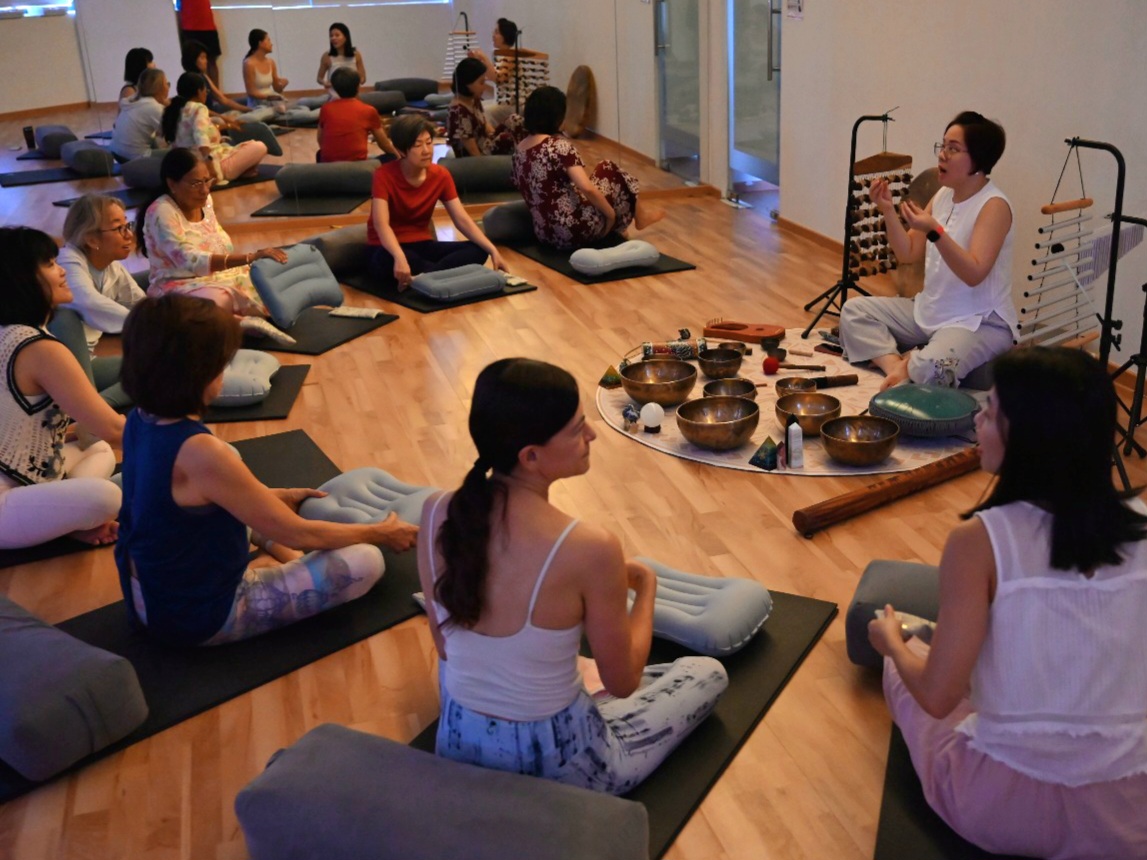
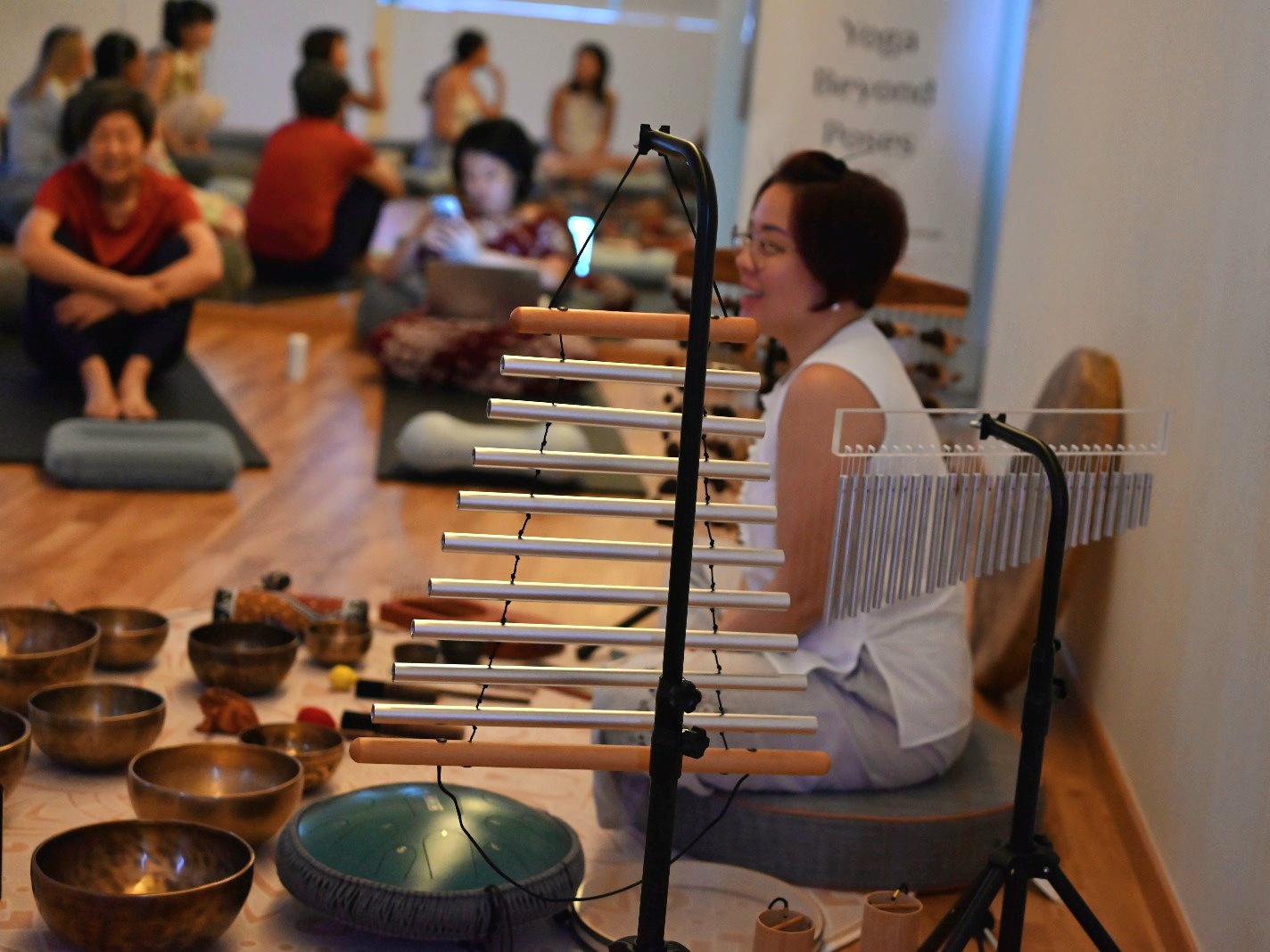
A typical sound bath session takes place in a quiet studio setting. Mats are arranged with space between participants. Blankets, bolsters, and eye pillows may be provided for comfort.
The session usually begins with a short introduction to help participants settle. After that, the facilitator begins playing instruments in a slow and steady sequence.
Common instruments include:
- Singing bowl meditation instruments made of metal or crystal
- Gongs used in gong bath meditation
- Chimes and other harmonic tools
The sounds often build gradually and then soften toward the end. Sessions typically last between 45 and 75 minutes.
Participants may experience different sensations. Some people fall asleep. Others remain awake but feel deeply relaxed. A few may notice emotional release therapy effects, such as unexpected tears or shifts in mood.
There is no “correct” experience. Each session may feel different.
It is helpful to wear comfortable clothing. Avoiding a heavy meal beforehand can also make lying down more comfortable.
What Are the Benefits of Sound Bath Meditation?
Research on sound healing is still developing, but many participants report consistent outcomes.
Deep physical relaxation is one of the most common effects. Muscles may soften, and breathing may slow naturally.
Better sleep is frequently reported after evening sessions. The shift toward alpha and theta states can support sleep improvement therapy.
Reduced anxiety is another potential benefit. As the nervous system settles, stress responses may decrease. Sound bath meditation is often described as a stress relief meditation practice.
Some individuals experience emotional release. This may occur when the body moves out of a prolonged stress state and into safety.
Mental clarity can follow deep rest. After a session, thoughts may feel less scattered.
There is also interest in the possible reduction of stress hormones during restorative meditation practices. While individual experiences vary, many people feel lighter and calmer after a session.
Sound bath meditation works through sound frequencies and vibration. When the instruments are played, they produce tones that travel through the air and into the body.
Because the human body is largely made of water, it can conduct vibration effectively. Many participants report feeling subtle sensations such as warmth or gentle tingling during vibrational healing sessions.
One concept often associated with sound healing is brainwave entrainment. The brain naturally produces electrical patterns known as brainwaves. These include beta waves (alert state), alpha waves (relaxed state), and theta waves (deep relaxation or early sleep state).
During a sound bath, steady tones may encourage the brain to shift from an active beta state into alpha or even a theta brainwave state. This shift is linked to relaxation and reduced mental activity.
Sound bath meditation may also support nervous system regulation. When the body feels safe and still, it can move from a stress response toward a restorative state. This is sometimes described as a nervous system reset.
Lying down enhances this effect. When the body is fully supported on the floor or mat, muscles can release tension more easily. Physical stillness supports mental stillness.
Who Is Sound Bath Meditation Suitable For?
Sound bath meditation is accessible to a wide range of people.
Corporate professionals may use it to decompress after long workdays. Students managing academic pressure may benefit from structured relaxation.
Parents balancing responsibilities often seek short periods of uninterrupted rest. Sound bath sessions provide a defined time for stillness.
People who struggle with traditional meditation may find this format easier. Since it is a passive meditation practice, there is less pressure to “do it correctly.”
First-time meditators are also welcome. No prior experience is required.
Is Sound Bath Meditation Safe?
Sound bath meditation is generally considered safe for most people. The practice involves listening to sound while resting.
However, individuals with certain medical conditions should consult a healthcare professional before attending. This may include those with epilepsy, severe mental health conditions, or sound sensitivity.
Pregnant individuals may also wish to seek medical advice.
If at any point during a session someone feels uncomfortable, they can sit up or leave quietly. Personal comfort and safety are important.
Sound bath meditation is a holistic wellness practice, but it does not replace medical treatment.
How Is Sound Bath Meditation Different from Regular Meditation?
Traditional meditation often involves active mindfulness. Participants observe thoughts, focus on breath, or repeat a mantra.
Sound bath meditation emphasizes receptive awareness. Instead of directing attention, participants allow sound to surround them.
The difference can be described as effort versus surrender. Active meditation requires participation. Sound bath meditation invites stillness.
Movement-based meditation, such as yoga or walking meditation, engages the body. Sound bath meditation involves physical stillness.
Guided meditation relies on verbal instruction. Sound bath meditation uses vibrational immersion instead of spoken guidance.
For some, this format feels more accessible. For others, it complements existing meditation routines.
How Often Should You Attend Sound Bath Sessions?
The frequency depends on personal goals.
Attending once can provide a reset after a stressful period. Even a single session may offer noticeable relaxation.
Weekly sessions may support deeper benefits. Regular exposure to sound therapy sessions can help condition the nervous system toward relaxation.
Some people treat it as part of ongoing energy balancing therapy or restorative meditation routines.
Consistency often strengthens the effects, but there is no fixed requirement.
Where Can You Experience Sound Bath Meditation in Singapore?
For those searching for sound bath Singapore experiences, several meditation studios and wellness centres in Singapore offer sessions.
Unika Yoga provides sound healing sessions in Singapore in a small group setting. The studio environment is designed to be quiet and comfortable.
Sessions are led by a trained facilitator who layers instruments thoughtfully. The focus is on creating a steady and supportive sound field.
Participants lie down on mats with props for comfort. The setting aims to promote emotional safety and ease.
Experience Deep Rest at Unika Yoga
If you have been exploring a meditation practice that does not require effort or prior experience, sound bath meditation may be worth considering. At Unika Yoga, sessions are structured to allow you to lie down, listen, and rest.
In a fast-paced environment, intentional pauses can support overall well-being. Sound bath meditation offers one structured way to experience that pause.