
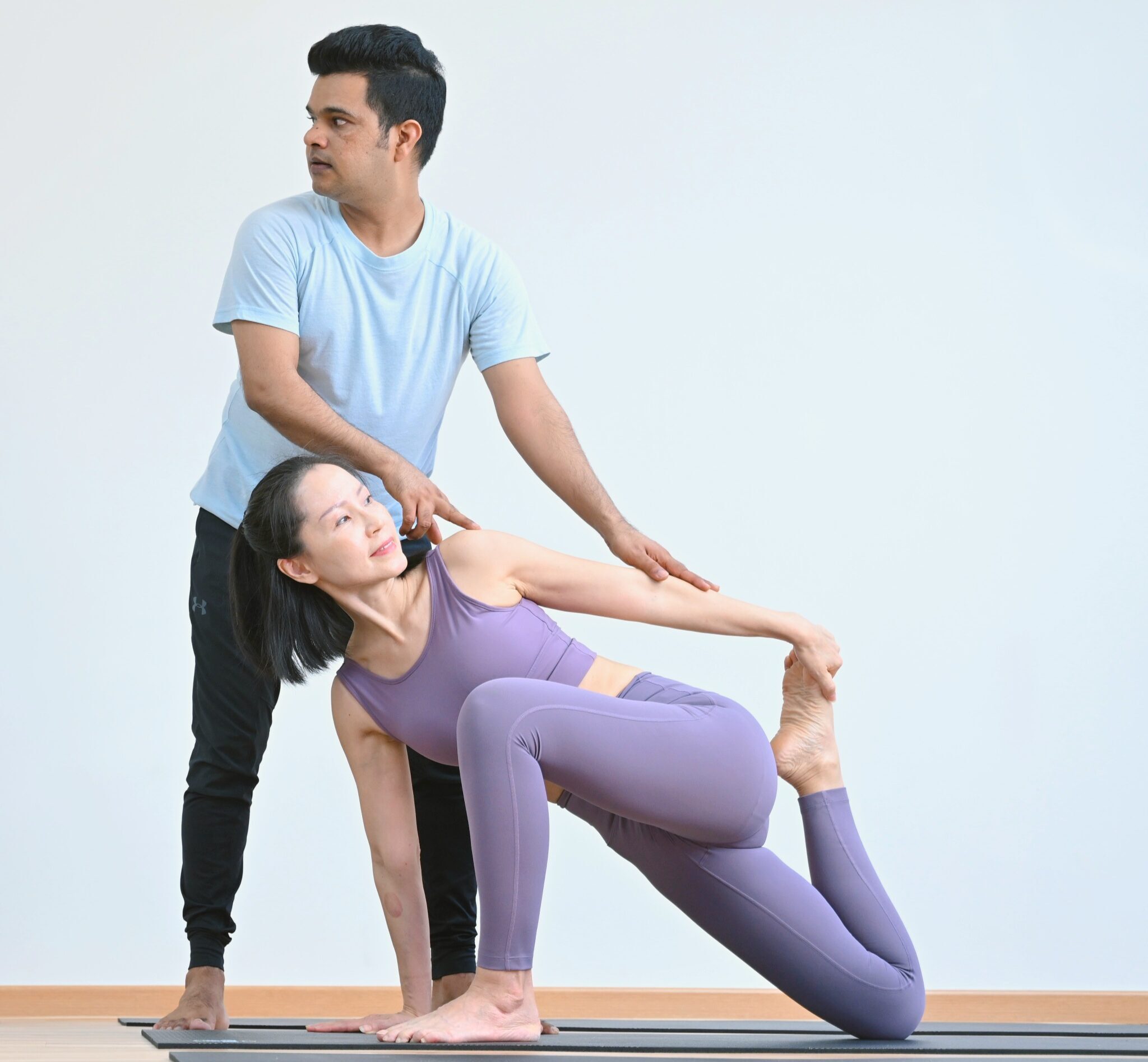
Who Should Consider One-on-One Yoga Therapy Sessions?
Yoga is often practiced for general fitness and relaxation. However, some individuals look for a more targeted and supportive approach, especially when dealing with specific physical, mental or psychosomatic issues, with the intention to improve overall wellbeing.
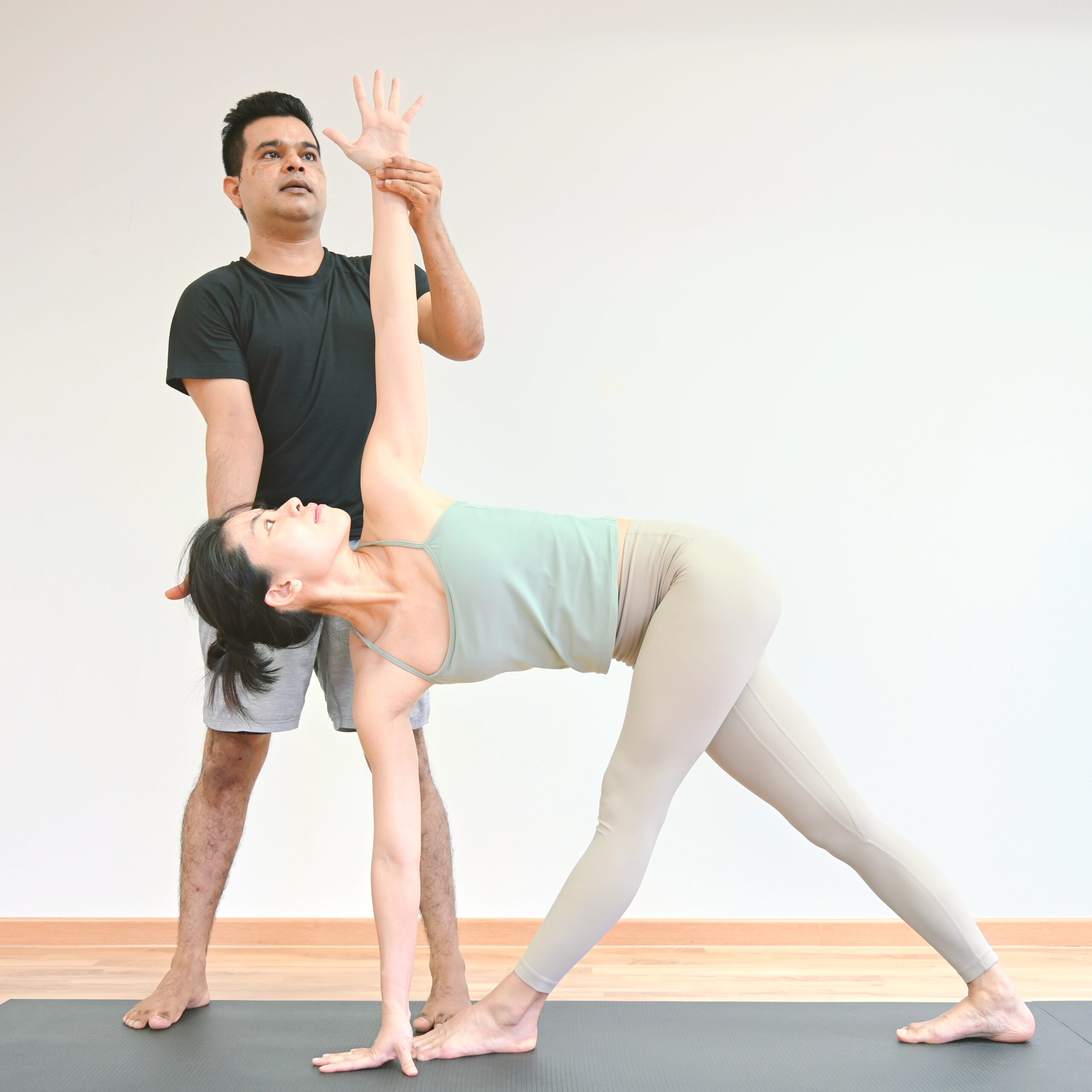
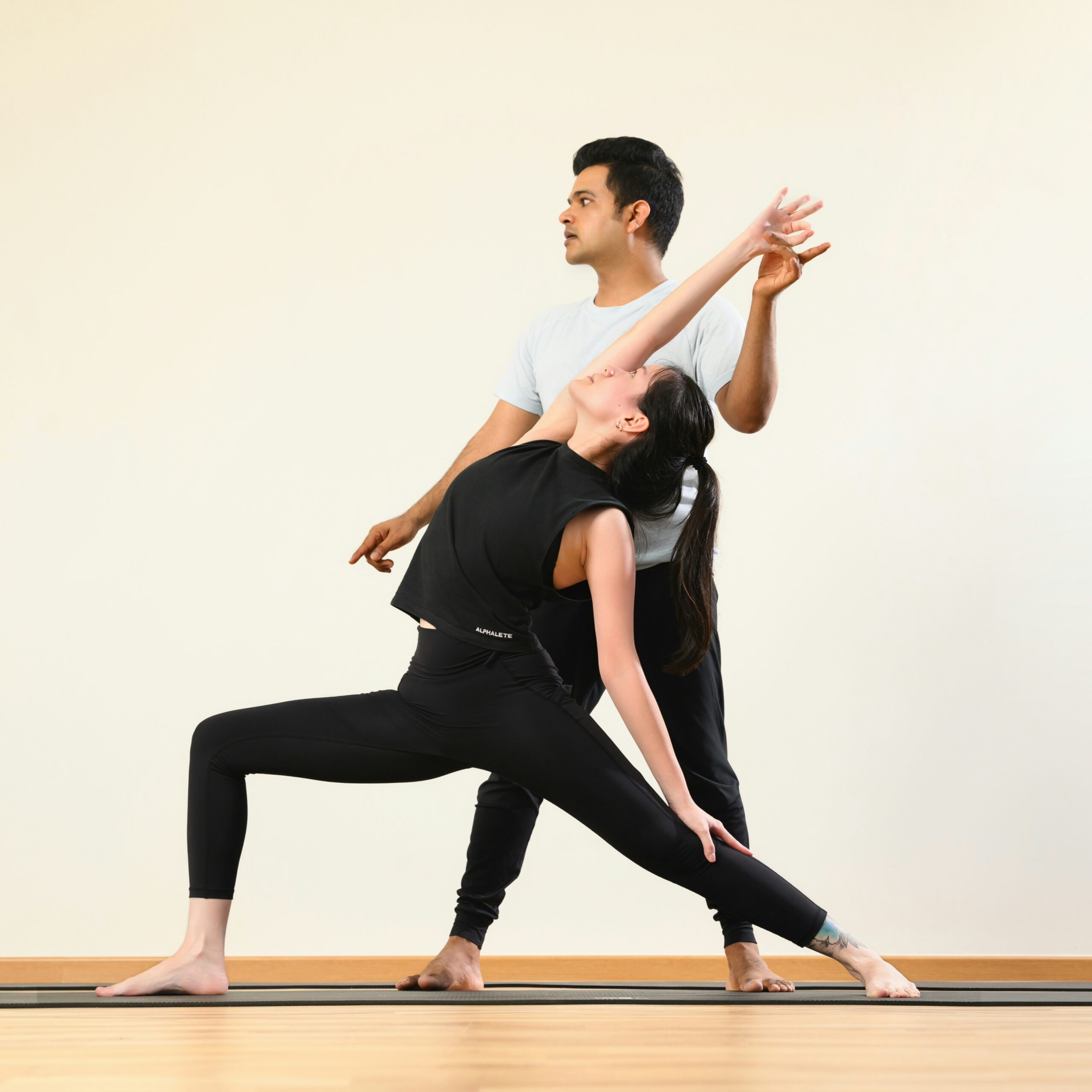
One-on-one yoga therapy sessions are designed to address these individual needs. Instead of following a general class structure, the practice is customised and tailored to suit a person’s condition, comfort level, and goals.
At wellness spaces such as Unika Yoga, yoga therapy is offered as a structured approach that combines movement, breathing, and relaxation techniques in a personalized way to support overall wellbeing.
This article explains what one-on-one yoga therapy is, who it may be suitable for, and how it differs from regular yoga practice.
What Is One-on-One Yoga Therapy?
One-on-one yoga therapy is a personalized form of yoga practice that focuses on supporting specific health concerns.
In regular yoga classes, participants follow a shared sequence designed for general wellbeing. Yoga therapy, on the other hand, is tailored to an individual’s physical condition, lifestyle, and goals.
A trained yoga therapist works closely with the individual to understand their needs. This may include factors such as pain, stress levels, mobility, or sleep patterns.
The session is then designed to include appropriate techniques such as gentle movements, breathing exercises, and relaxation practices.
The goal is not performance. Instead, the focus is on creating a therapeutic yoga practice that supports comfort, balance, and gradual improvement.
How Is Yoga Therapy Different From Personal Yoga Training?
Yoga therapy and personal yoga training may appear similar, but they serve different purposes.
Personal yoga training is often focused on fitness goals such as flexibility, strength, or posture improvement. It provides individualized attention but still follows a general yoga approach.
Yoga therapy is more specific. It is designed to address concerns such as chronic pain, stress, anxiety, sleep disturbances, restricted mobility, and psychosomatic conditions, with the aim of improving overall wellbeing.
The techniques used in yoga therapy are often gentler and more targeted. Sessions may include slow movements, controlled breathing, guided relaxation and simple meditation.
For example, someone experiencing back discomfort may be guided through carefully selected movements that support the spine without strain.
Yoga therapy sessions are also more structured around the individual’s condition. Progress is gradual, and adjustments are made over time based on how the body responds.
Who Should Consider One-on-One Yoga Therapy Sessions?
One-on-one yoga therapy can be helpful for different groups of people.
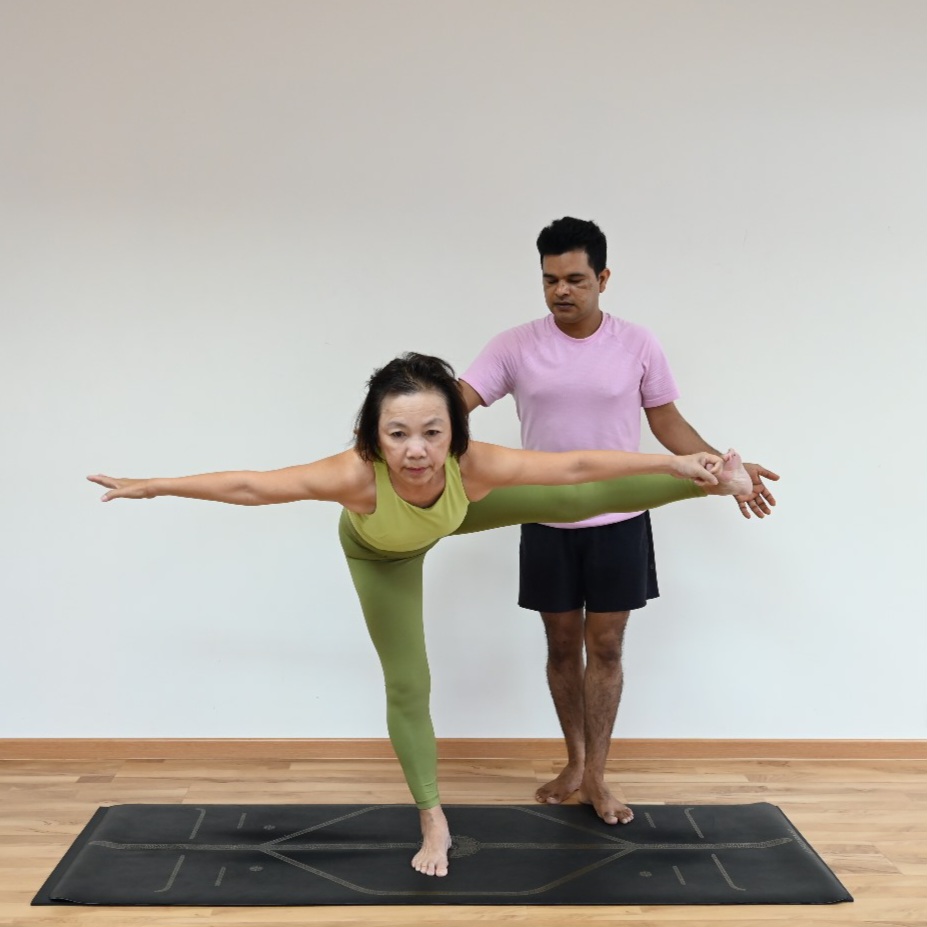
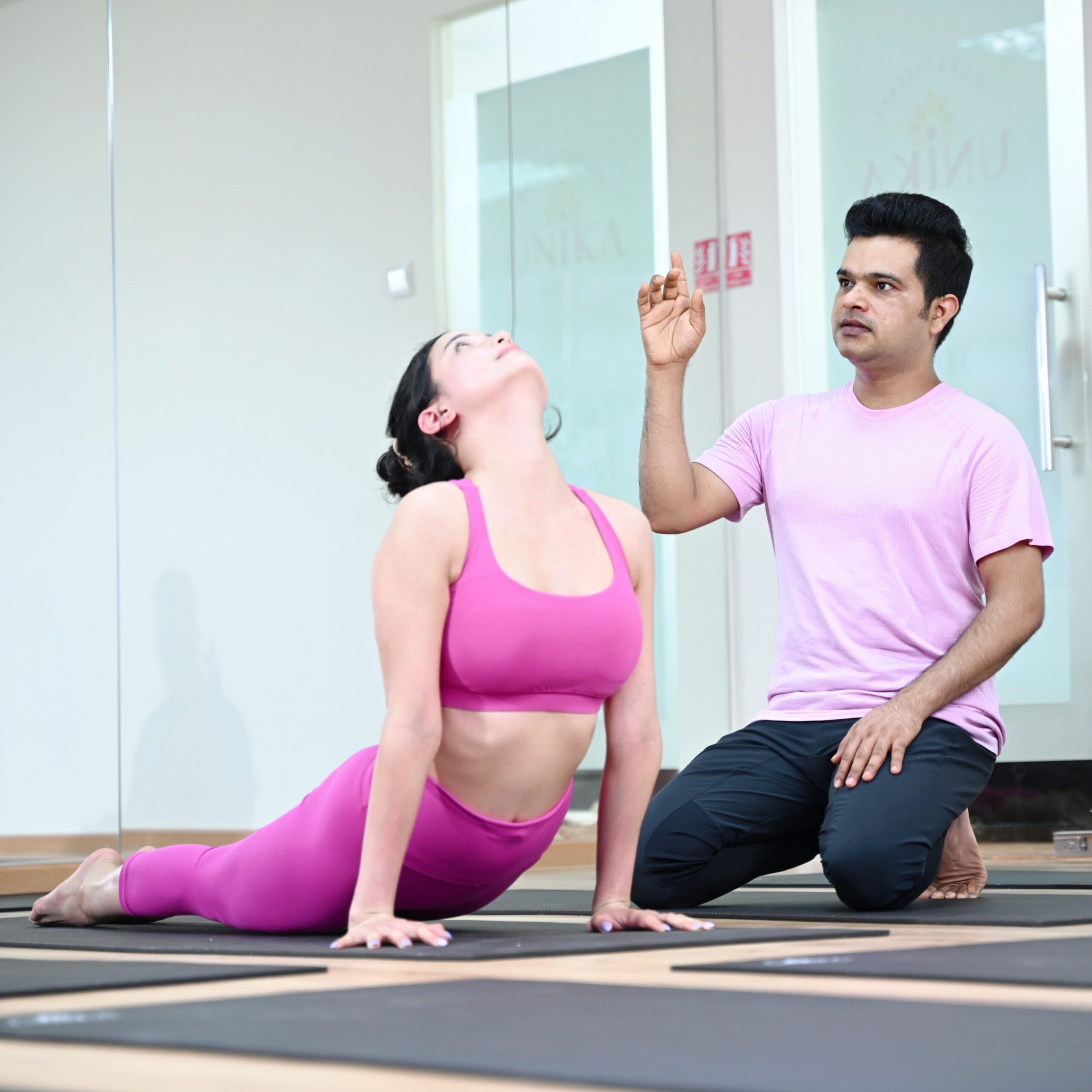
Individuals with chronic pain, such as back pain or joint stiffness, may benefit from a customised, gentle and guided approach. The practice can be adjusted to avoid strain while supporting movement.
People recovering from injury may also consider yoga therapy. The sessions can be adapted to support gradual recovery without overexertion.
Those experiencing stress, anxiety, or burnout may find value in breathing techniques and relaxation practices. These elements help calm the nervous system.
Desk workers often develop posture-related issues due to long hours of sitting. Yoga therapy can include posture-correction yoga exercises that address these patterns.
Individuals with sleep difficulties may explore yoga for sleep support. Relaxation techniques and breathing exercises can help prepare the body for rest.
Older adults may prefer yoga therapy because it offers gentle, supported movement. The pace can be adjusted to match comfort and ability.
Can Yoga Therapy Help With Stress and Mental Wellbeing?
Stress affects both the mind and the body. It can lead to muscle tension, shallow breathing, and difficulty relaxing.
Yoga therapy often includes techniques that support nervous system regulation. Slow breathing and mindful movement can help the body shift into a more relaxed state.
Breathwork is a key component. Controlled breathing patterns can reduce mental restlessness and improve focus.
The practice also encourages a stronger mind-body connection. By paying attention to physical sensations and breath, individuals may become more aware of how stress affects their bodies.
Yoga therapy can be used alongside other forms of care. It is not a replacement for medical or psychological treatment but can serve as a supportive practice.
Is Yoga Therapy Suitable for People With Physical Limitations?
Yoga therapy is often suitable for individuals with physical limitations because it can be adapted to different abilities.
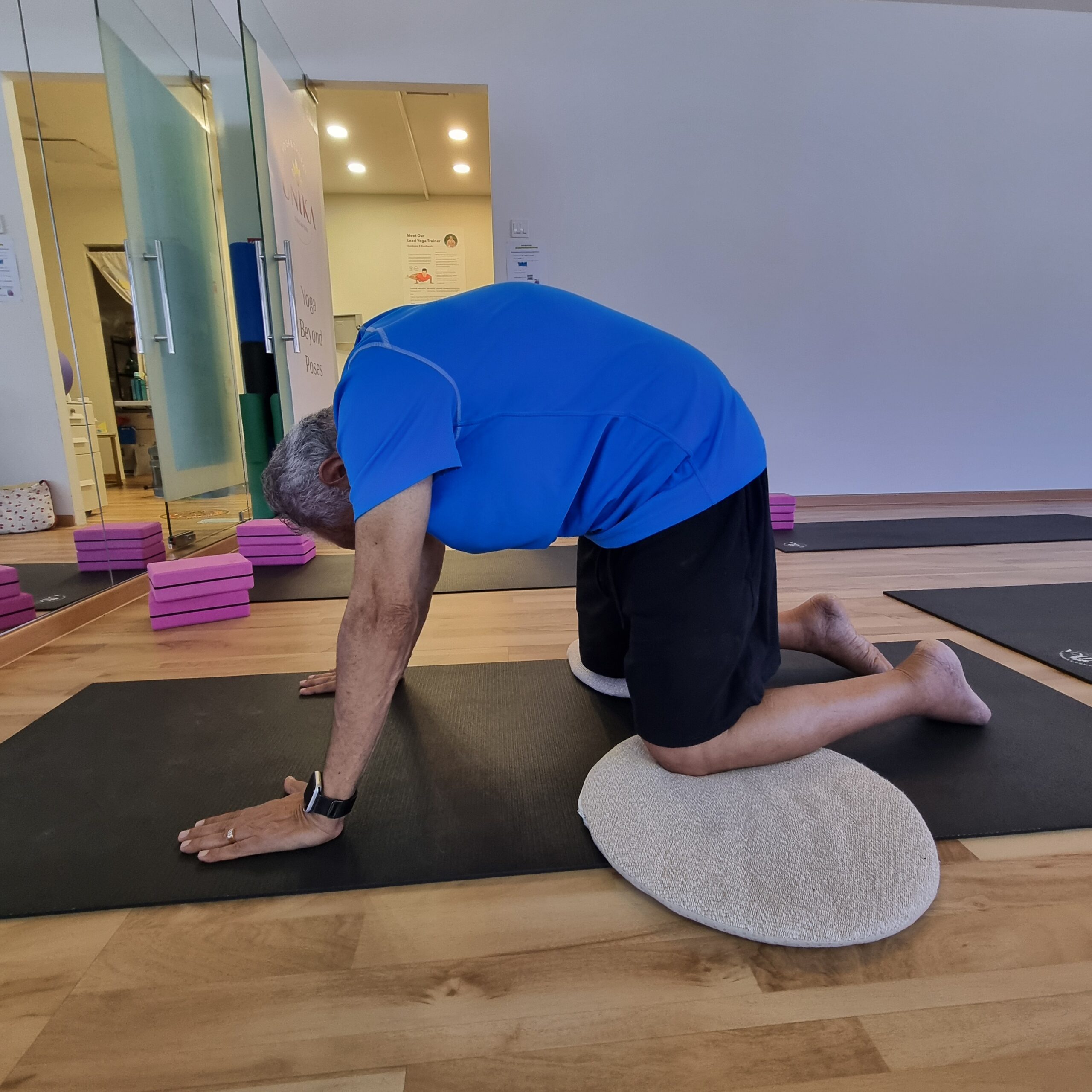
Movements are selected based on what the individual can comfortably perform. There is no expectation to complete standard poses.
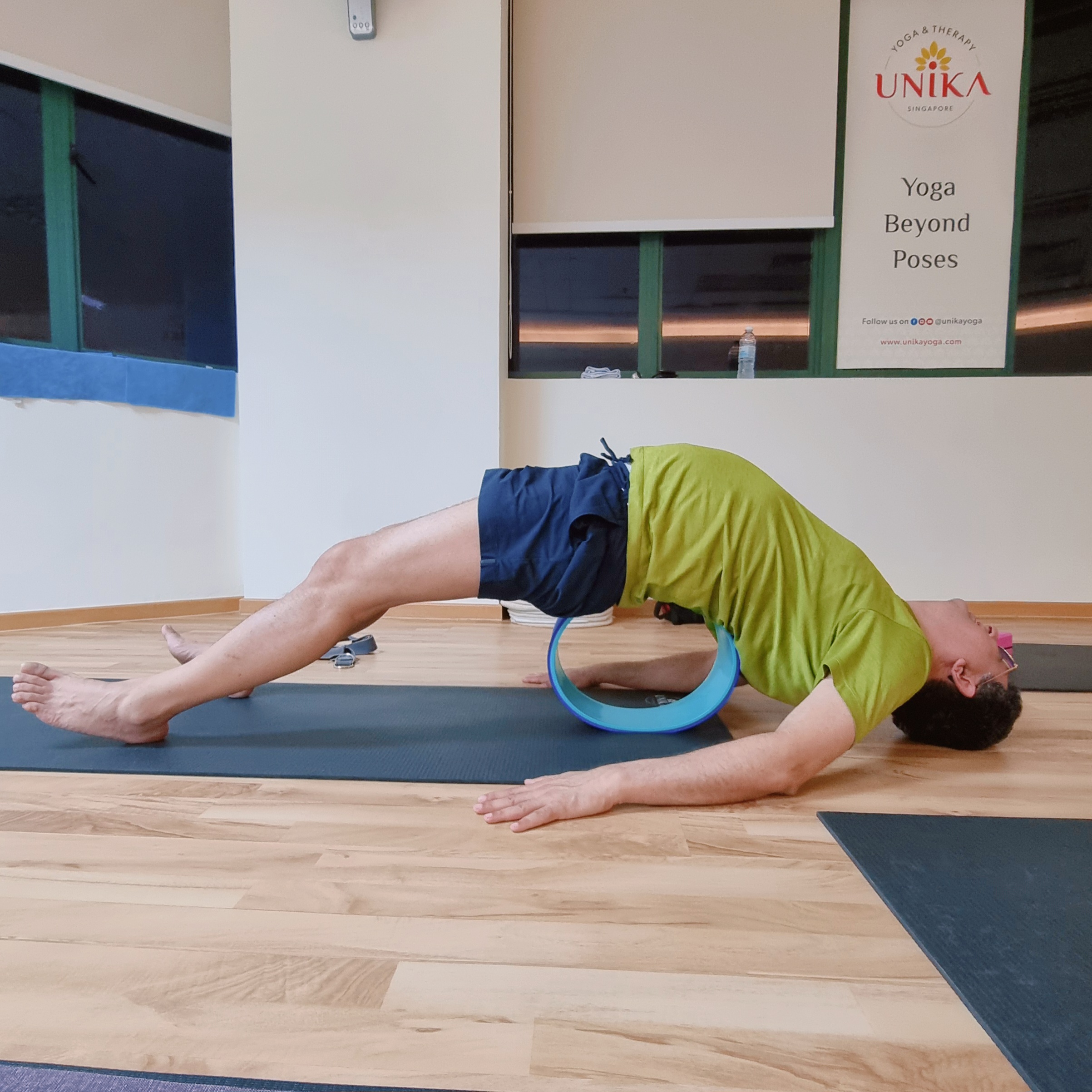
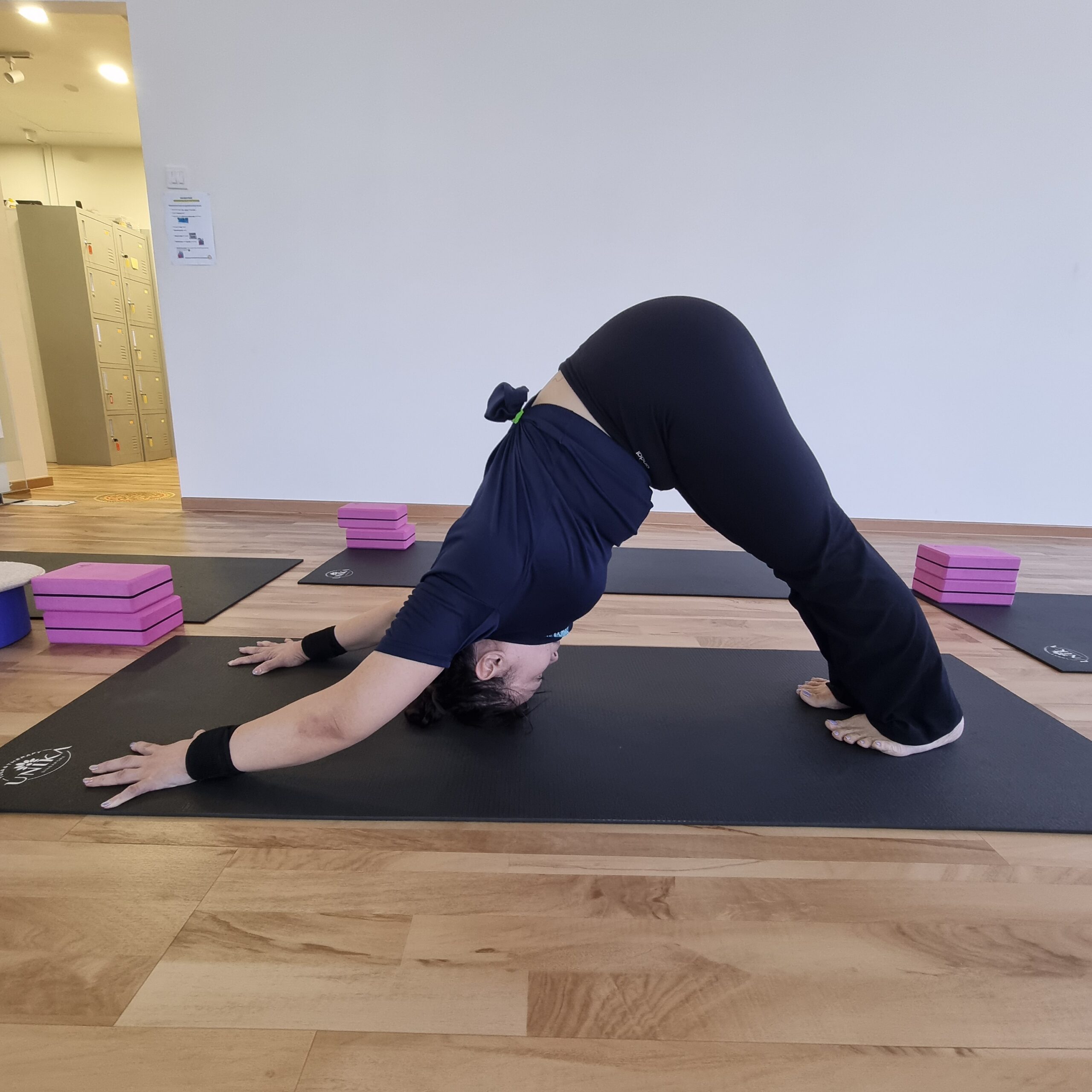
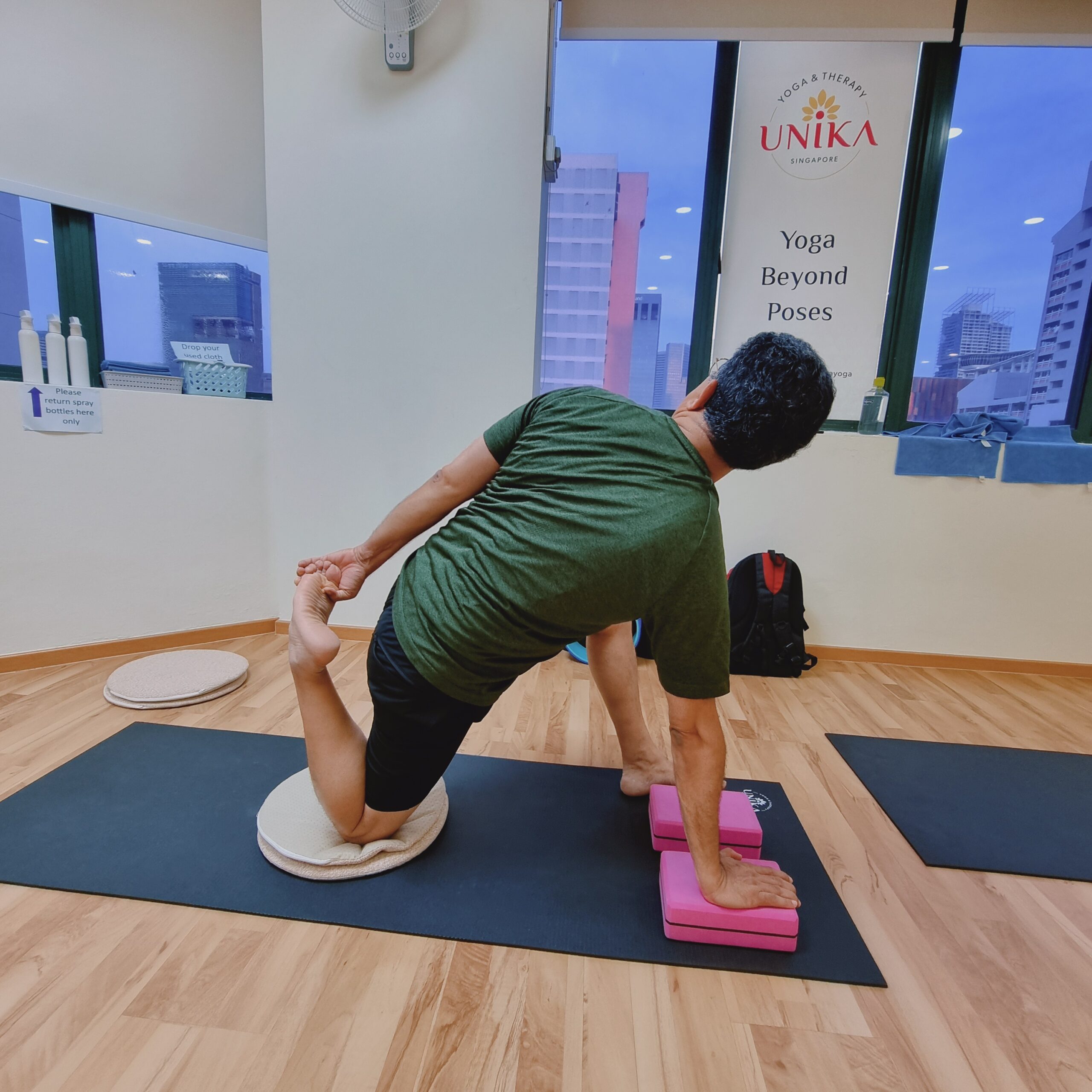
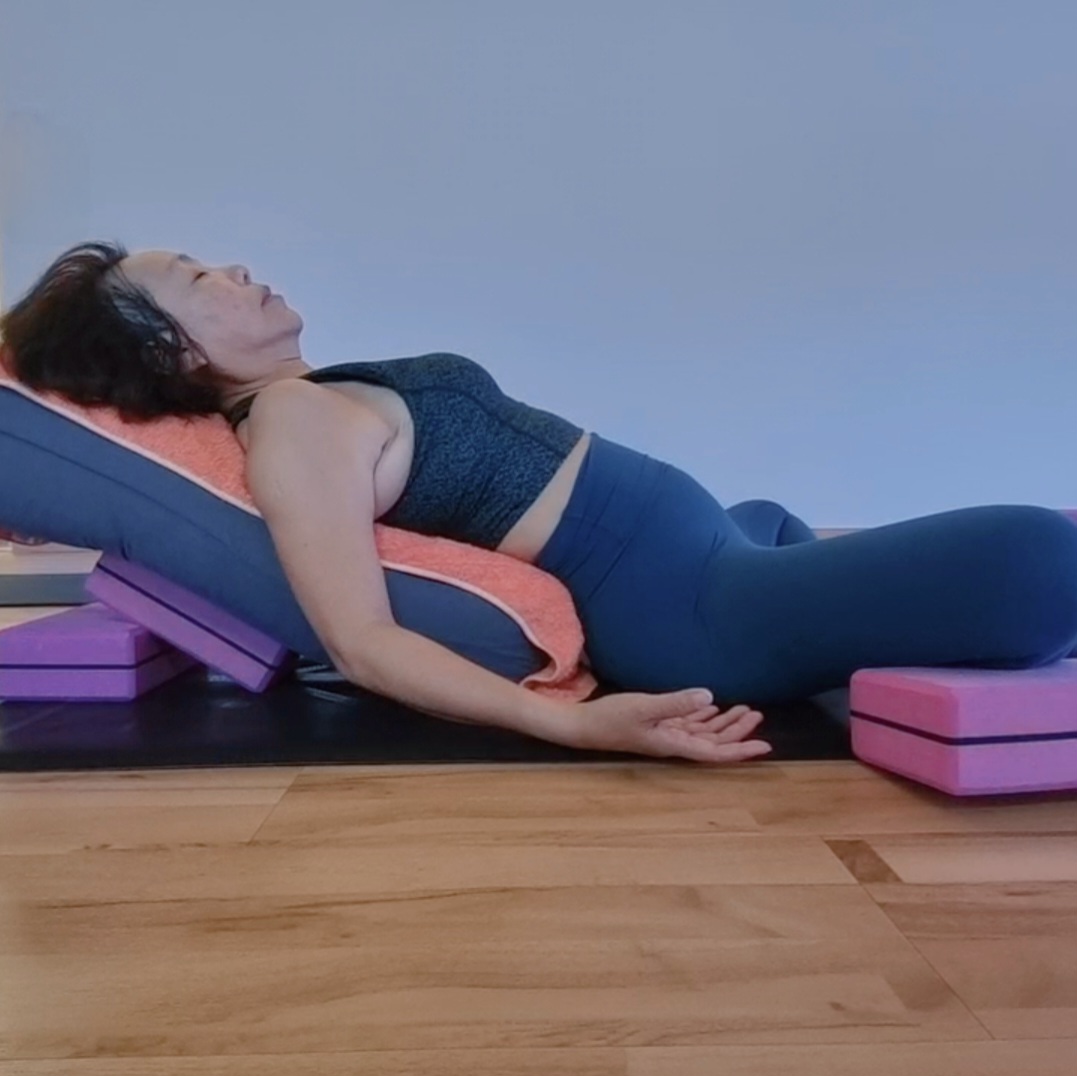
Props such as cushions, blocks, or chairs may be used to provide support. These tools help make movements more accessible.
The pace of the session is usually slow and controlled. This allows time to move carefully and avoid strain.
Safety and comfort are central to yoga therapy. The goal is to create a practice that feels manageable and supportive.
For example, someone with limited mobility may practice simple seated movements combined with breathing exercises.
What Happens During a One-on-One Yoga Therapy Session?
A yoga therapy session typically begins with an initial consultation.
The therapist may ask about health history, current concerns, daily habits, and personal goals. This helps create a clear understanding of the individual’s needs.
An assessment may follow. This could include observing posture, movement patterns, or breathing habits.
Based on this information, a personalized yoga therapy plan is developed.
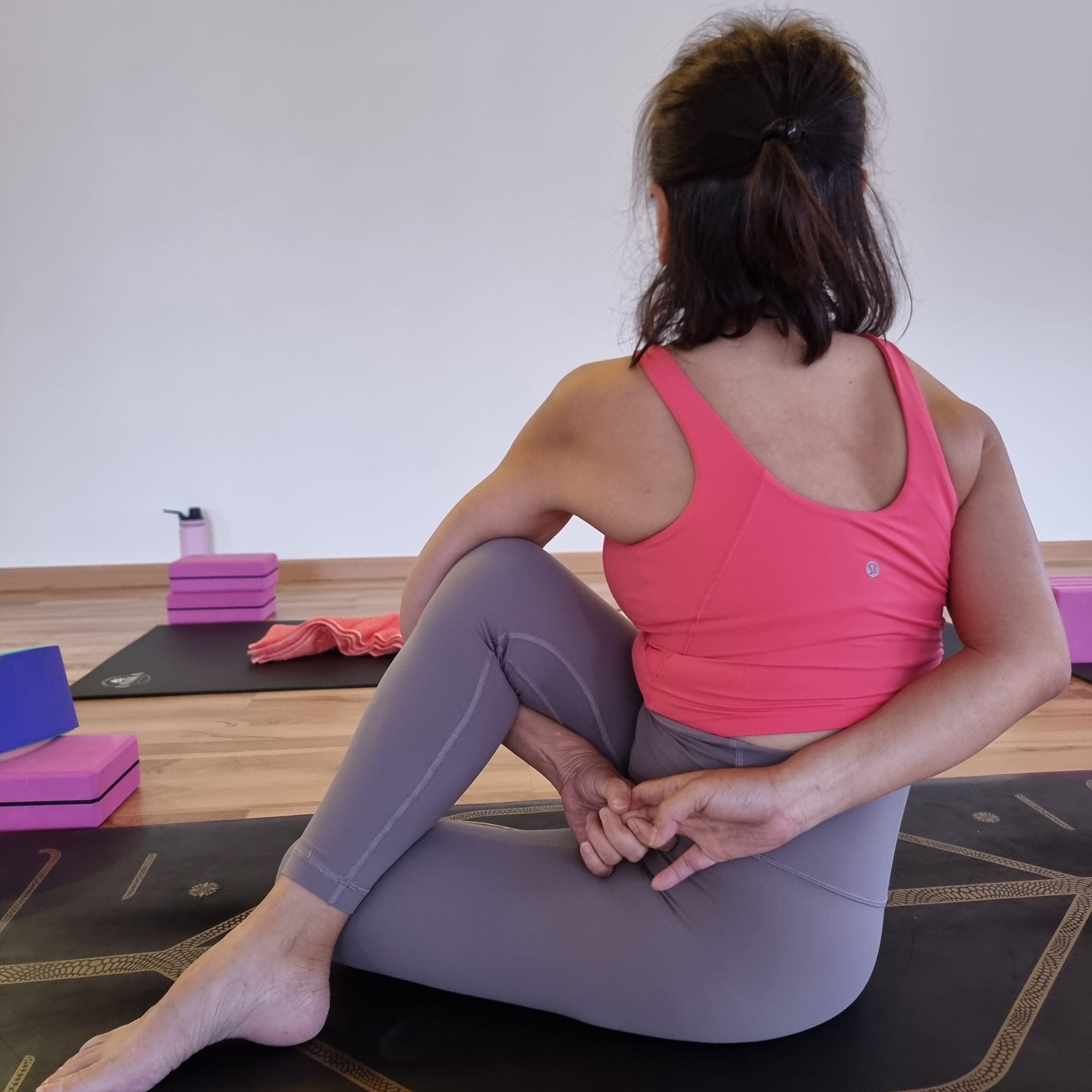
The session may include gentle exercises, breathing techniques, and relaxation practices. Each element is chosen to support the individual’s condition.
For example, someone experiencing neck tension may practice slow stretches combined with breathing exercises that encourage relaxation.
Over time, the therapist may adjust the practice based on progress. This ongoing adaptation is an important part of one-on-one yoga therapy.
What Conditions or Concerns Can Yoga Therapy Support?
Yoga therapy is often used as a supportive approach for various concerns.
These may include back and neck discomfort, which are common in individuals with sedentary lifestyles.
Joint stiffness and limited mobility can also be addressed through gentle and consistent movement.
Stress-related tension is another area where yoga therapy may help. Relaxation techniques and breathing exercises can support the body’s natural recovery processes.
Sleep disturbances may improve when the body learns to relax more effectively. Practicing calming techniques can help prepare the mind and body for rest.
Some individuals also explore yoga therapy for mild anxiety or fatigue. The focus on slow breathing and mindful movement can support overall balance.
It is important to remember that yoga therapy does not replace medical treatment. It is best used as a complementary approach.
How Often Should You Attend Yoga Therapy Sessions?
The frequency of yoga therapy sessions varies depending on individual needs.
Some people may attend sessions once or twice a week, especially in the beginning. This helps establish a routine and build familiarity with the practice.
Others may attend less frequently and practice techniques at home between sessions.
Short-term sessions may focus on addressing a specific concern. Long-term practice may support overall wellbeing and prevention.
Consistency is often more important than intensity. Regular, gentle practice tends to be more effective than occasional, intense effort.
Over time, individuals may develop a routine that fits their lifestyle and supports their goals.
Where Can You Access One-on-One Yoga Therapy?
When exploring yoga therapy, it is important to choose a qualified and experienced therapist.
A trained professional understands how to adapt yoga practices safely and appropriately for different conditions.
The environment also plays a role. A calm and supportive setting allows individuals to focus on their practice without distractions.
At Unika Yoga, one-on-one yoga therapy sessions are offered in a structured setting. These sessions are designed to support individuals through personalized guidance and carefully selected practices.
Having access to experienced instructors and a quiet space can make it easier to explore yoga therapy comfortably.
Is One-on-One Yoga Therapy Right for You?
One-on-one yoga therapy may be suitable for individuals who prefer a personalized and supportive approach to yoga.
It can be helpful for those managing physical discomfort, recovering from injury, or dealing with stress and sleep-related concerns.
Compared to general yoga classes, therapy sessions provide more focused attention and tailored practices.
However, yoga therapy is not necessary for everyone. Some individuals may benefit from regular classes, while others may find value in combining both approaches.
For those facing specific challenges or looking for a more guided experience, you can explore one-on-one yoga therapy sessions at Unika Yoga as a structured way to begin.
Explore if one-on-one yoga therapy is right for you.
Contact Unika Yoga at
Tel:+6583007895 for a free consultation.