
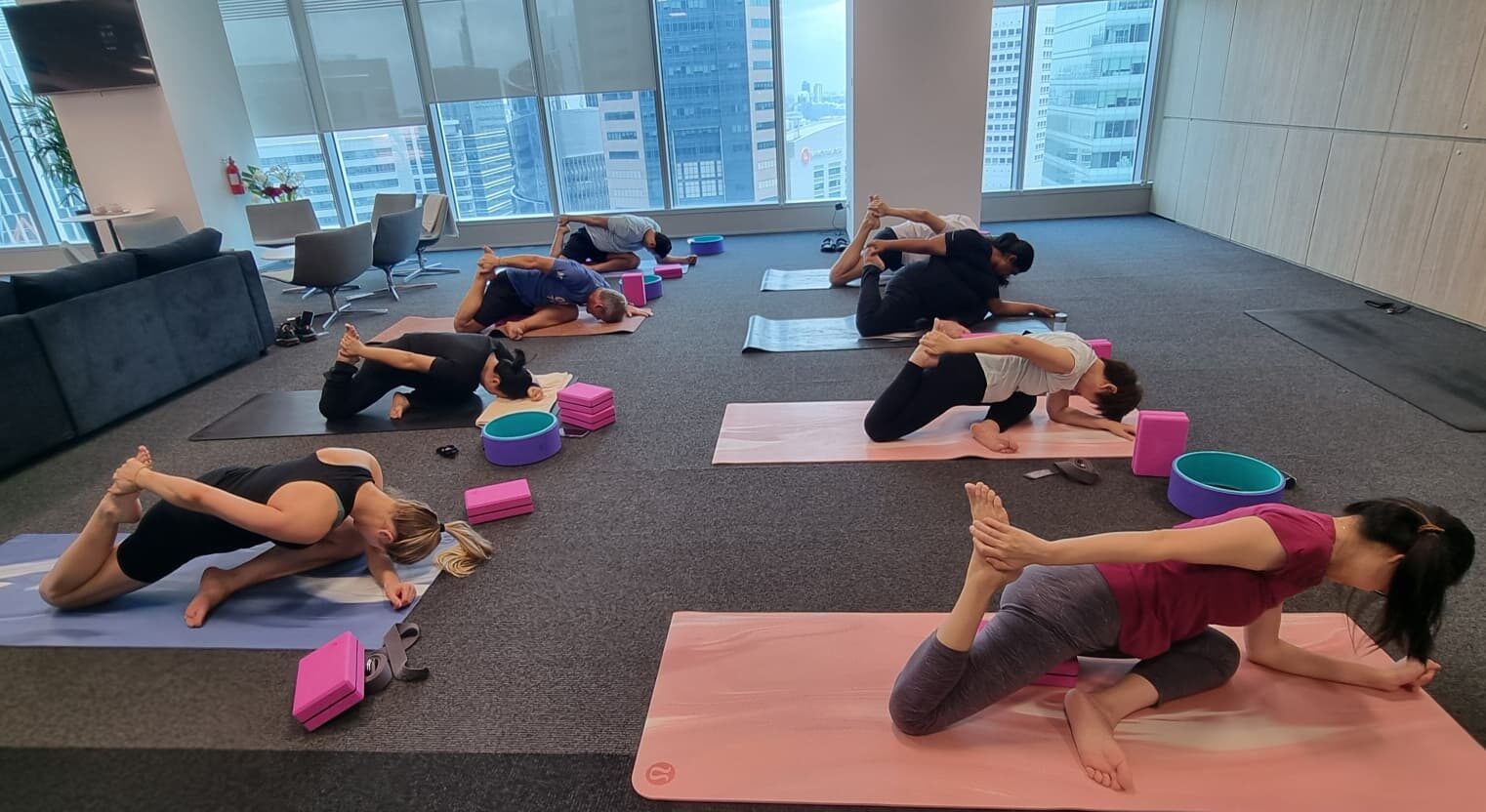
Why More Companies in Singapore Are Bringing Yoga Into the Workplace
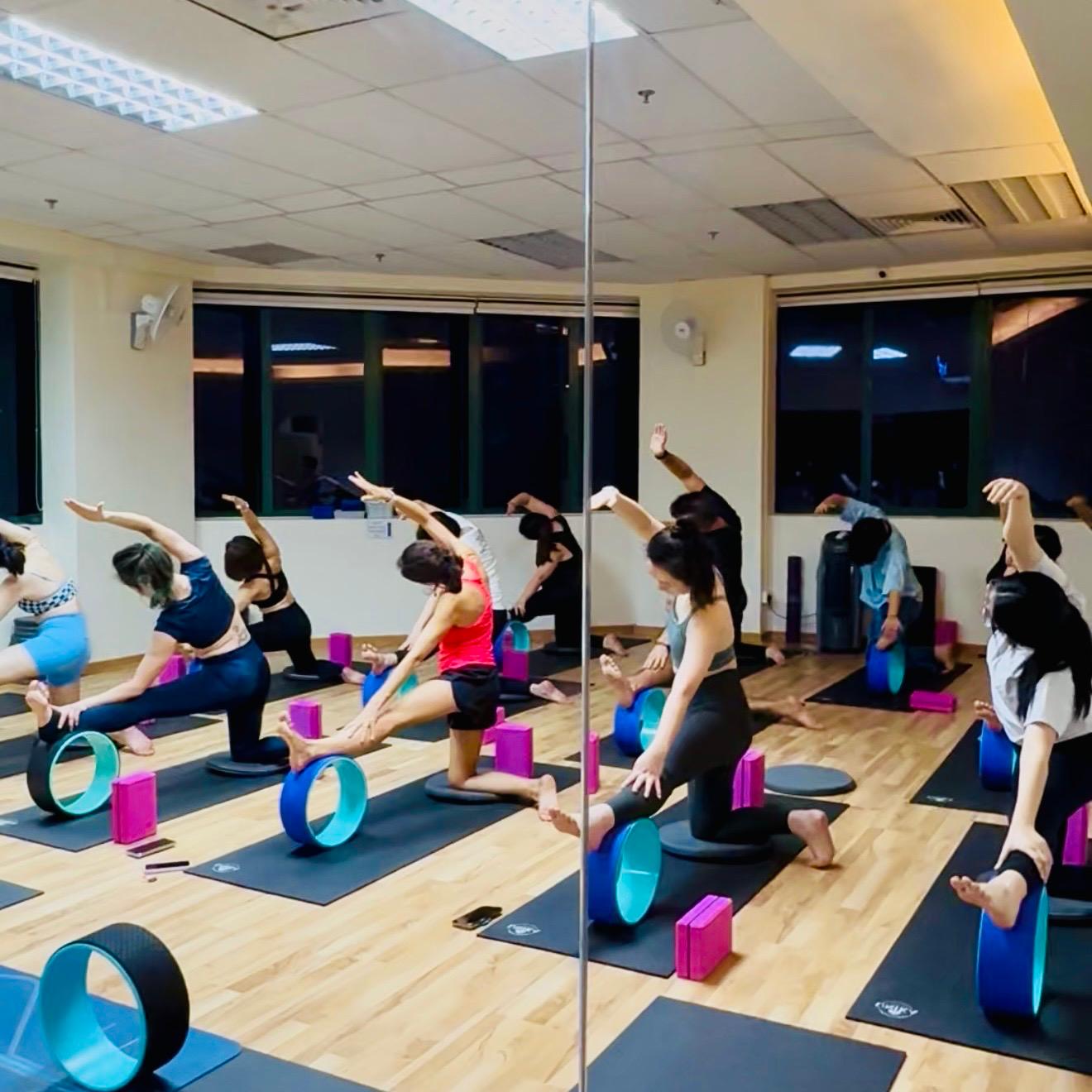
Deadlines keep piling up. Your team sits for eight hours straight. Stress levels hit the roof. Sound familiar? This is everyday reality in Singapore’s fast-paced work culture.
But something is shifting.
More companies across Singapore are now realizing that employee wellness is not just a nice-to-have—it’s a business necessity. And yoga is becoming the go-to solution for building healthier, happier, and more productive teams.
If you’re wondering why your competitors are bringing yoga into the workplace, this article explains everything.
The Growing Trend: Why Companies Are Paying Attention Now
Walk through any office in Singapore’s CBD, and you’ll notice something changing. Companies that once focused purely on targets and bottom lines are now investing seriously in employee wellness programs. Yoga is leading this movement.
The reason is simple: companies finally understand that a healthy team is a productive team.
Modern workplaces create unique challenges—long hours at desks, back-to-back meetings, digital overload, and constant pressure to perform. Over time, this takes a real toll. Employees struggle with stress, neck and shoulder pain, fatigue, and burnout.
This is where workplace yoga in Singapore steps in. It’s becoming the smart business move.
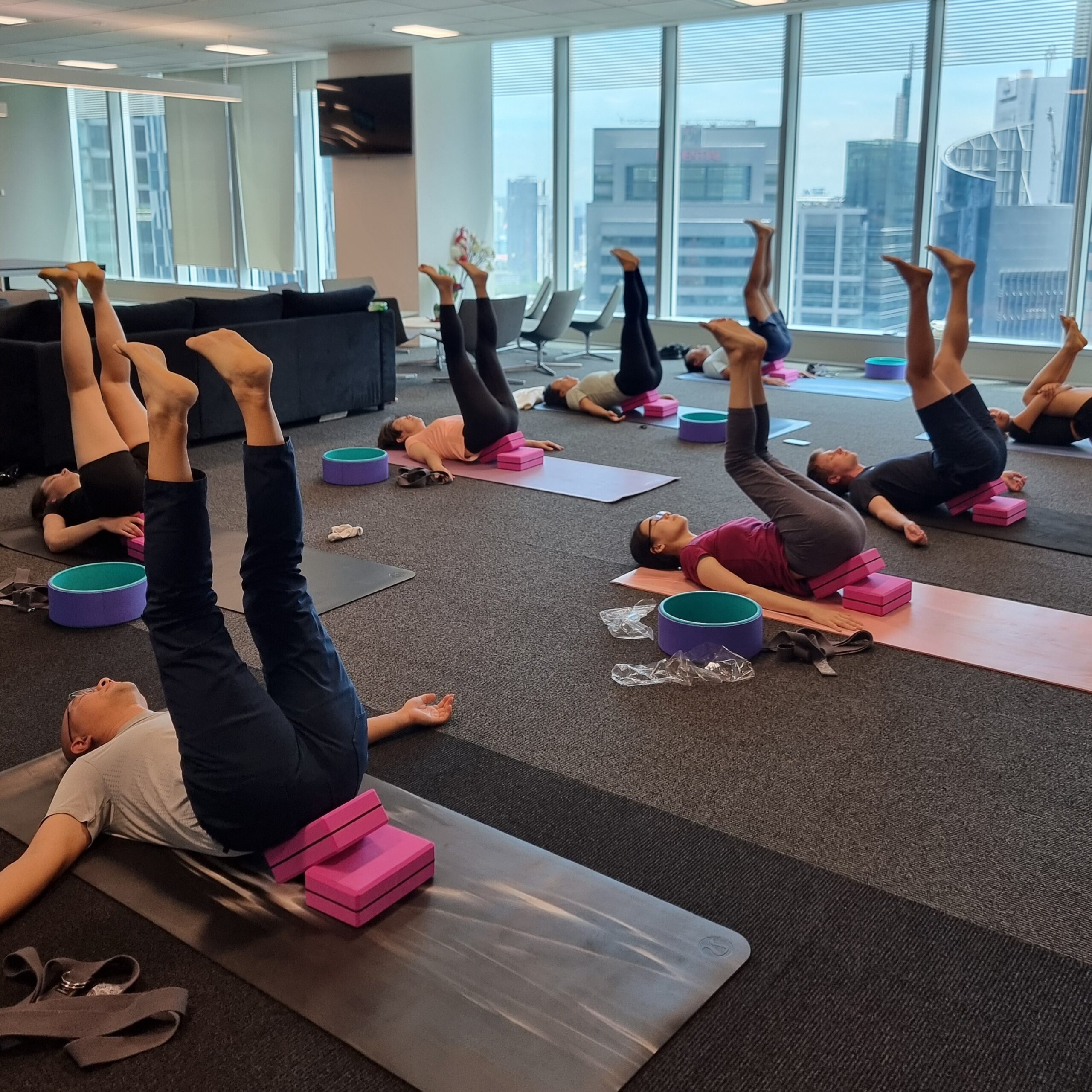
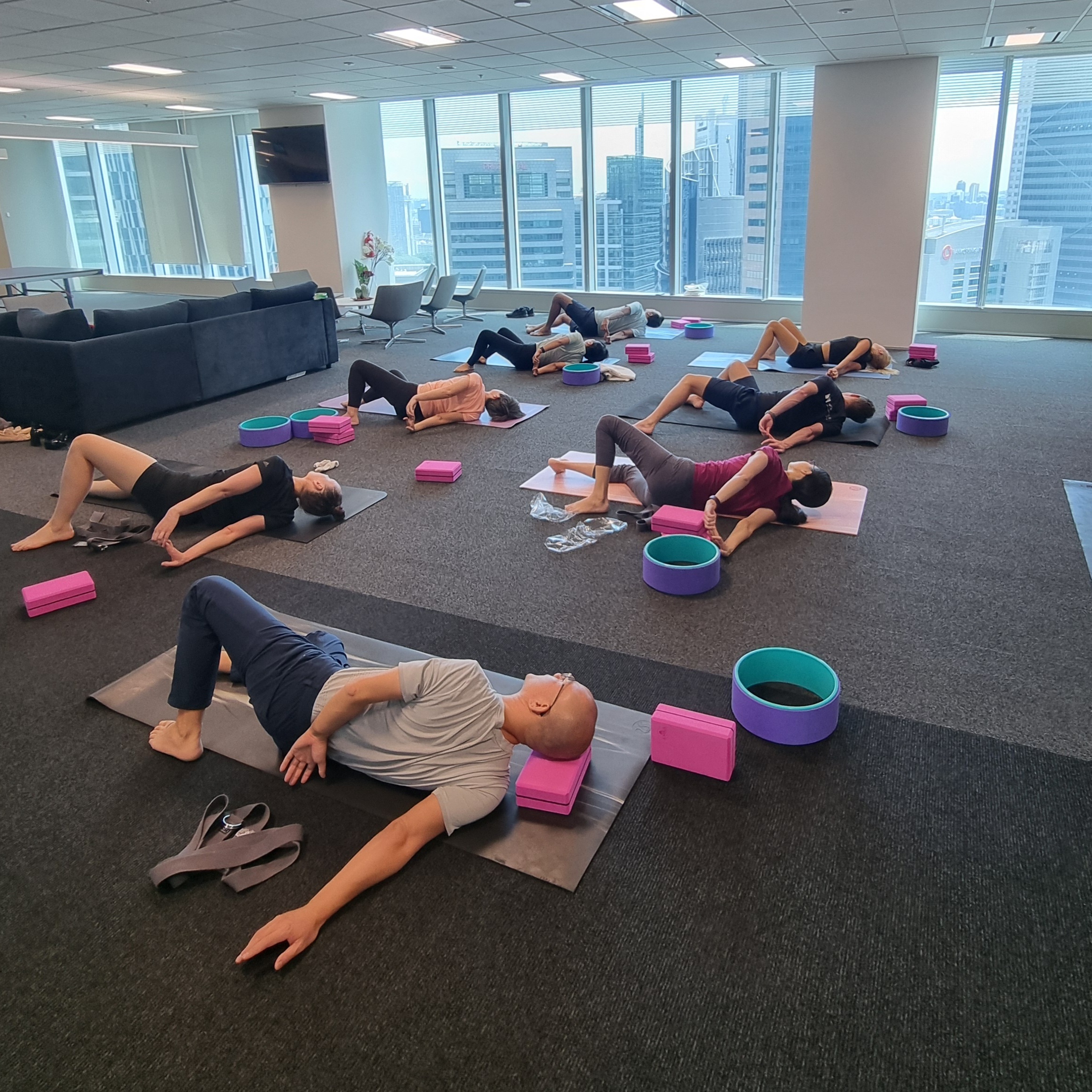
The Real Problem Companies Are Facing
Before we dive into solutions, let’s talk about what’s really happening in Singapore offices:
Physical Discomfort: Prolonged sitting causes back pain, poor posture, and tight muscles. Many employees experience chronic neck and shoulder tension from working at computers all day.
Mental Exhaustion: The constant pressure to meet targets creates anxiety and mental fatigue. Employees feel drained by midday and struggle to maintain focus.
Low Team Energy: Without proper wellness support, team morale drops. Communication suffers. Collaboration becomes harder. People start feeling disconnected.
High Stress Levels: Work-related stress is at an all-time high. Burnout is becoming common. Sick days increase. Productivity suffers as a result.
Reduced Focus and Creativity: When stressed and tired, employees struggle to concentrate. Innovation and problem-solving abilities decline. Decision-making becomes slower.
This is the situation many companies face. And it’s costing them—in lost productivity, high turnover, and unhappy teams.
Why Companies Are Turning to Workplace Yoga
Here’s what’s interesting: most companies looking to solve these problems start by offering expensive gym memberships or complicated wellness programs.
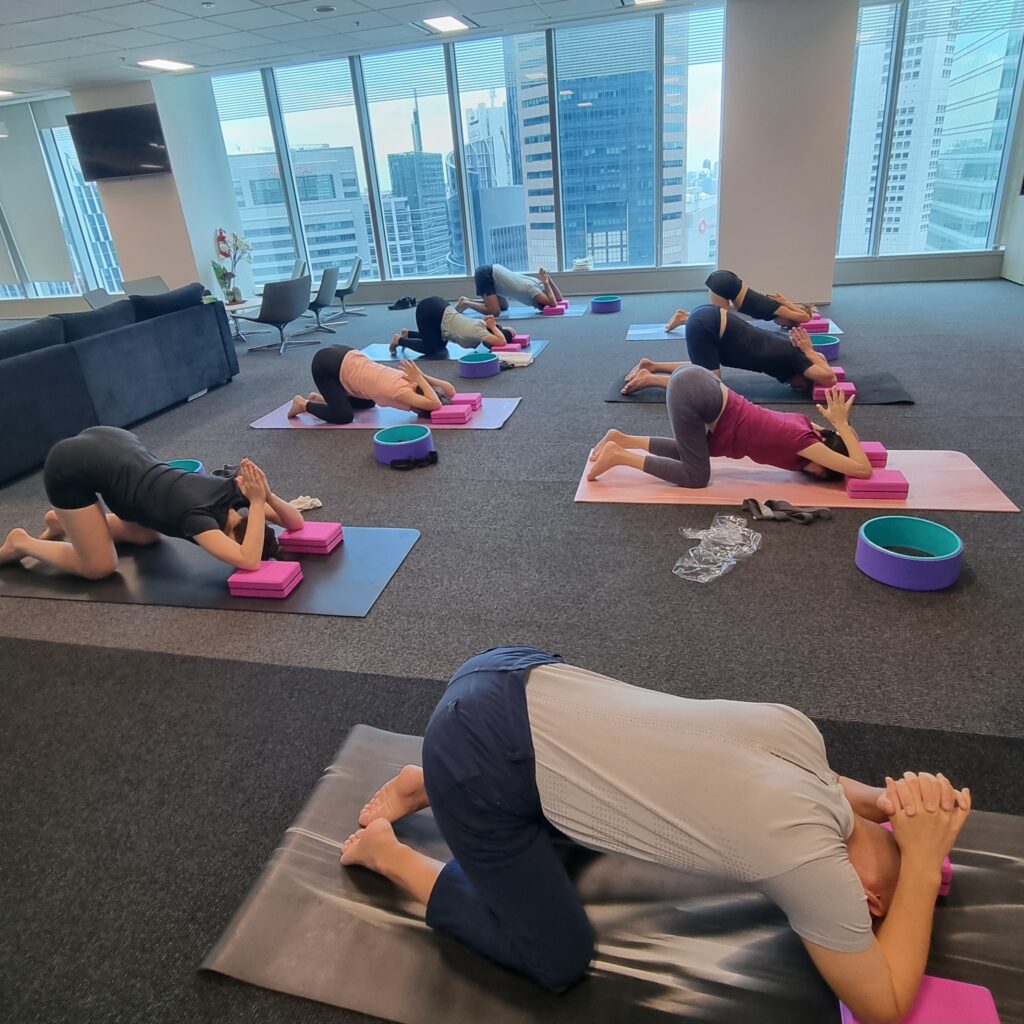
Many companies are now bringing corporate yoga programmes directly into the workplace as part of their broader wellness initiatives.
Yoga has increasingly been recognised as a valuable workplace wellness practice that supports both physical health and mental well-being.
Unlike generic fitness programs, workplace yoga addresses both body and mind. It’s accessible to everyone. It requires minimal equipment. And the results are visible quickly.
Employees feel the difference after just one session. After a few weeks, companies see measurable changes in focus, stress levels, and team engagement.
Many companies in Singapore are increasingly investing in workplace wellness initiatives, recognising that employee well-being plays an important role in engagement, productivity, and retention.
Key Reasons Companies Are Adding Yoga to Their Workplace
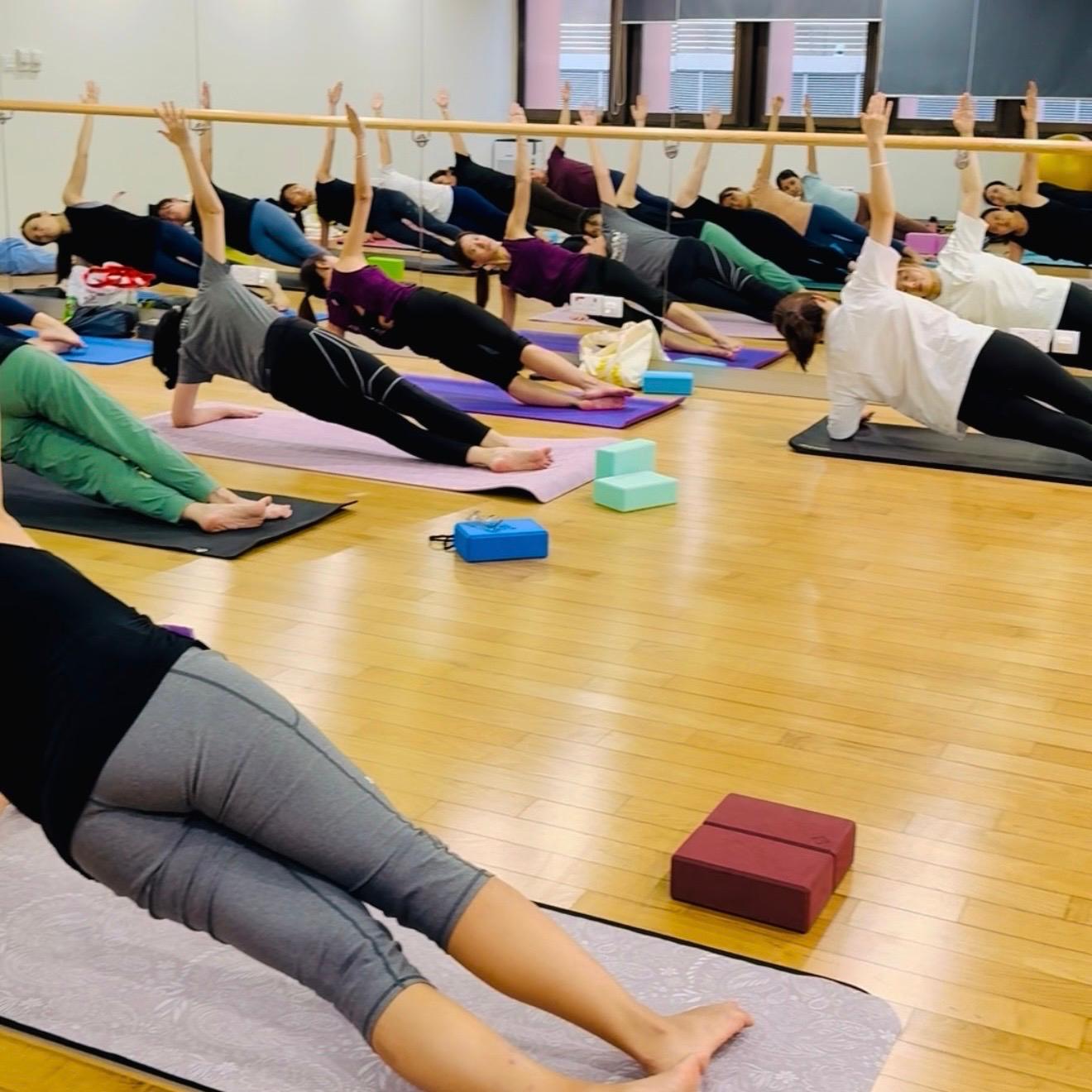
If you are new to yoga, it is normal to feel unsure at first. Beginner-friendly yoga classes focus on accessibility of the practices, safety, and gradual progress. You will be guided step-by-step through simple movements at a slower pace, breathing techniques, and relaxation practices without pressure or comparison.
These classes create a supportive environment where beginners can build confidence at their own pace and not feel intimidated.
1. Immediate Stress Relief and Mental Clarity
Stress doesn’t wait for a vacation or weekend to go away. It builds up throughout the day.
Yoga offers real-time relief. Just 20-30 minutes of office yoga helps employees pause, breathe, and reset. The combination of guided movements and controlled breathing directly calms the nervous system.
When employees return to their desks, they feel calmer, clearer, and more mentally fresh. This translates into better decisions, improved communication, and a more positive attitude toward work.
Many employees report feeling calmer, more focused, and better equipped to manage workplace stress through regular yoga practice.
2. Boosted Productivity and Better Focus
One of the biggest fears managers have is that wellness activities will eat into work time. But the opposite is true.
Yoga improves focus and productivity. Studies show that employees who practice yoga have sharper concentration, better memory, and improved cognitive function. Even a quick midday session can boost afternoon productivity.
This happens because yoga:
- Increases blood flow to the brain
- Clears mental fog
- Improves oxygen circulation
- Resets attention and focus
Employees who practice yoga report feeling more energized and mentally sharp throughout the day. They make fewer mistakes. They solve problems faster. They complete tasks more efficiently.
For companies in competitive markets, this productivity boost directly impacts the bottom line.
3. Reduced Absenteeism and Fewer Sick Days
Stressed, burned-out employees take more sick days. It’s a proven pattern.
Companies that incorporate yoga into their corporate wellness programmes often aim to support employee well-being and reduce stress-related absenteeism. When employees feel physically and mentally supported, they show up more often and engage more fully.
Organizations that prioritise employee wellness often report improvements in attendance, employee morale, and overall well-being. Workplace yoga can be a practical way to support these outcomes by helping employees better manage stress and physical discomfort.
This directly saves money on healthcare costs and maintains team continuity.
4. Improved Team Connection and Better Workplace Culture
Yoga is not a solo activity. When practiced together, it becomes a team experience.
Group workplace yoga sessions create natural opportunities for connection. Employees from different departments interact in a calm, supportive environment. Barriers break down. Trust increases.
This builds stronger team bonds, improves communication, and creates a more positive workplace culture. Employees feel like they’re part of something meaningful.
Companies report that yoga sessions become highlights of the work week—not just another meeting to endure.
5. Prevention of Work-Related Physical Injuries
Back pain, carpal tunnel, neck strain, and repetitive stress injuries are common in office environments.
Therapeutic yoga targets these specific issues. Stretching, strengthening, and mobility work prevent injuries before they happen. For employees with existing pain, yoga provides relief without medication.
This means:
- Fewer workplace injuries
- Reduced workers’ compensation claims
- Better long-term employee health
- Lower healthcare expenses
Companies that prioritize workplace yoga see fewer physical complaints and injuries among their teams.
6. Better Employee Retention and Job Satisfaction
Here’s what employees remember: companies that care about their well-being.
When you offer employee wellness yoga programs, you send a clear message: we value your health and happiness, not just your productivity.
This dramatically improves job satisfaction and employee loyalty. People stay longer at companies that support their wellness. Turnover decreases. The costs of hiring and training new employees drop significantly.
In a competitive job market, companies that prioritize wellness attract better talent and keep their best people.
Why Singapore Companies Are Choosing Yoga Specifically
Singapore’s unique challenges make yoga an ideal solution:
High-Stress Environment: Singapore is known for its fast-paced, competitive business culture. Yoga helps employees manage this pressure effectively.
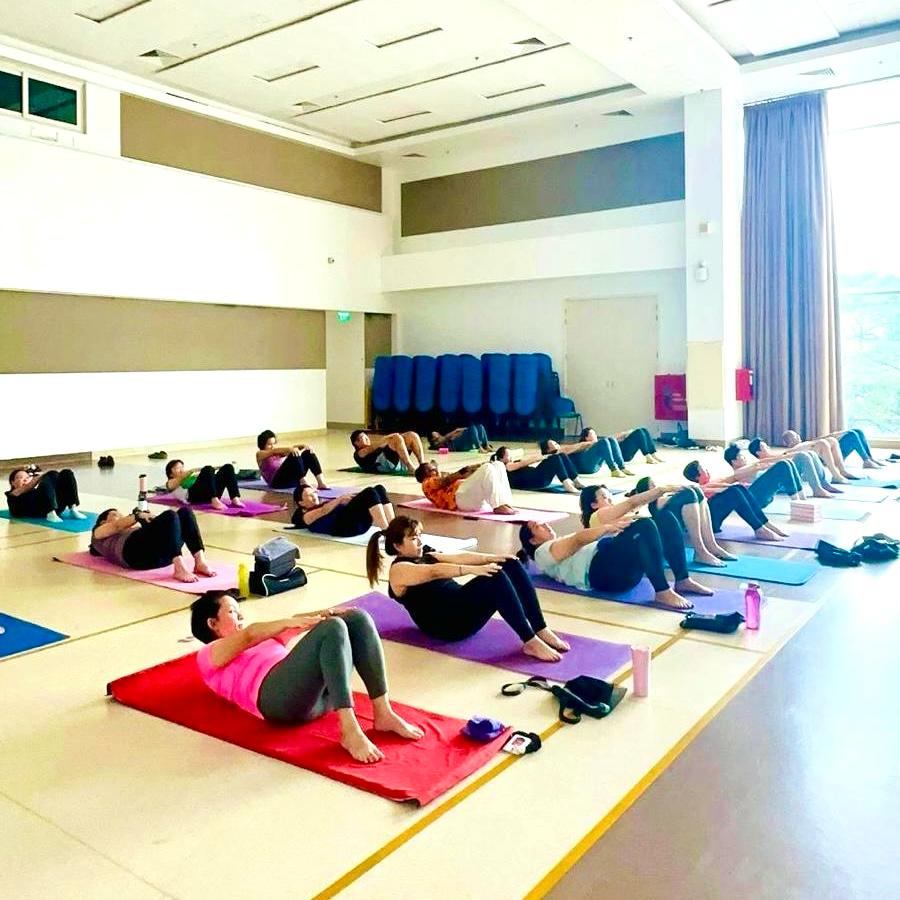
Space Constraints: Yoga requires minimal equipment and space. It works in conference rooms, break areas, or even outdoors. Perfect for Singapore’s real estate situation.
Diverse Workforce: Yoga is accessible to everyone—regardless of fitness level, age, background, or ability. It welcomes all employees equally.
Quick Implementation: Unlike complex wellness programs, workplace yoga can start immediately. Sessions can be scheduled during lunch breaks or before/after work.
Measurable Results: Companies see improvements in focus, stress levels, and engagement quickly. ROI is clear and convincing.
Non-Invasive: Yoga is a natural, drug-free approach to wellness. No medication or supplements needed.
For Singapore’s business environment, yoga simply makes the most sense.
What Happens When Companies Bring Yoga Into the Workplace
The transformation is real.
A typical company experience looks like this:
Week 1: Employees try their first session. Many are hesitant but curious. By the end, most feel noticeably calmer and more relaxed. Positive feedback starts immediately.
Week 2-3: Regular participants notice better sleep, less anxiety, and improved focus. Energy levels increase. Team interactions become friendlier.
Month 1: The difference becomes obvious. Employees look forward to yoga sessions. Sick days decrease. Morale visibly improves. Managers notice better performance and engagement.
Month 2-3: Long-term benefits emerge. Teams communicate better. Productivity is noticeably higher. The workplace culture feels more positive and supportive. Employees talk about how much the program means to them.
Ongoing: Yoga becomes part of the company culture. New hires ask about wellness programs during interviews. Retention improves. The initial investment pays dividends continuously.
Many organisations have reported positive outcomes from incorporating wellness initiatives into the workplace, including improved employee well-being, engagement, and workplace morale.
How Modern Companies Are Implementing Workplace Yoga
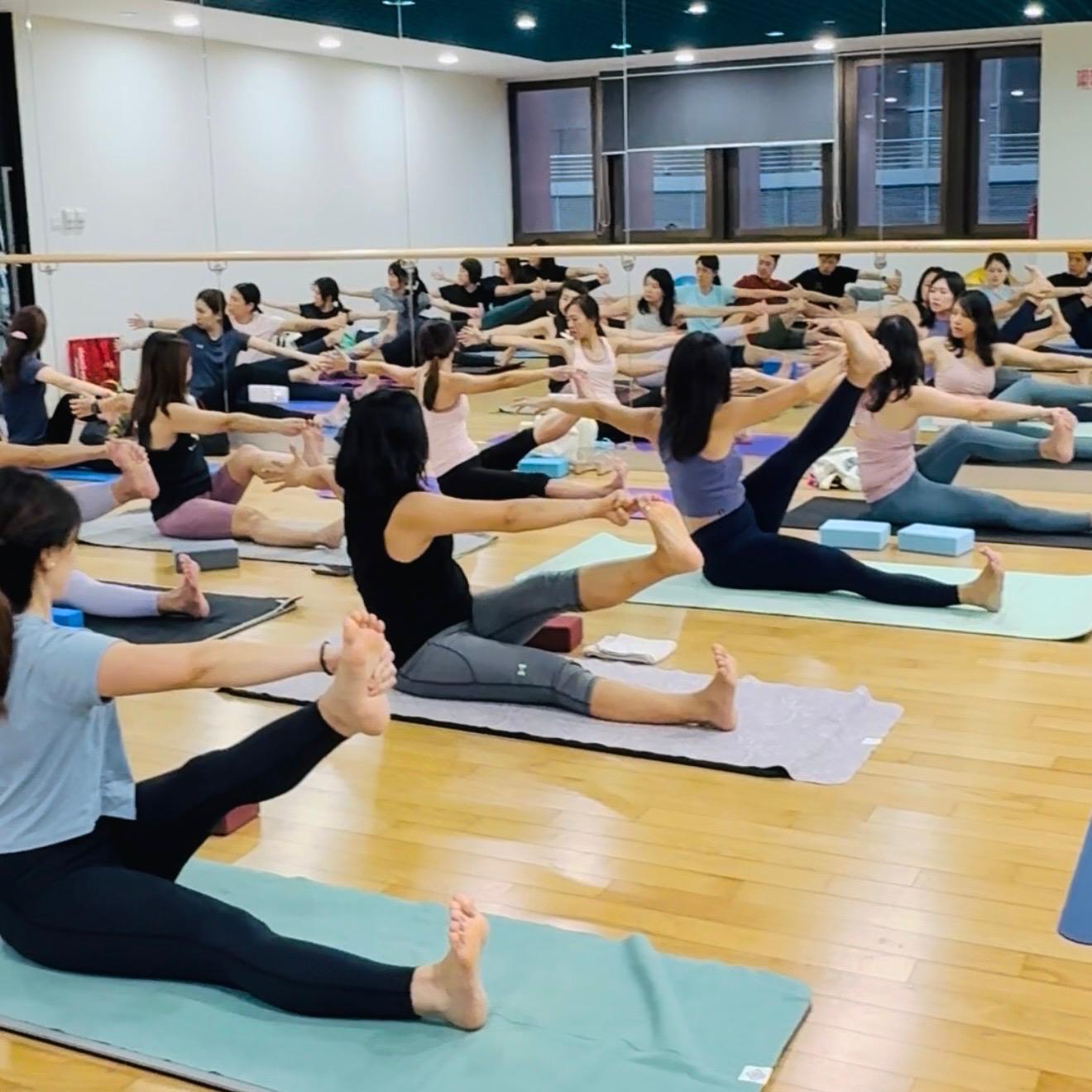
The good news? You don’t need a fancy gym or expensive infrastructure.
Smart companies approach it simply:
On-Site Sessions: A certified instructor comes to your office during lunch or after work. Employees practice in a common space—conference room, break area, or outdoor space.
Flexible Scheduling: Sessions are scheduled to fit your business hours. Morning energizing sessions, lunchtime stress relief, or post-work relaxation—whatever works for your team.
Hybrid Options: For companies with remote teams, yoga can be offered both on-site and online. Employees at home can join virtually.
Customized Programs: Programs are tailored to your company’s specific needs—stress relief, fitness, injury prevention, or general wellness.
No Experience Required: Yoga is accessible to everyone. Total beginners and experienced practitioners can practice together in the same session.
The beauty is flexibility. Your wellness program adapts to your business, not the other way around.
The ROI of Corporate Yoga: What Companies Actually Save
Numbers tell the story:
Healthcare Cost Reduction: Supporting employee well-being through preventive wellness initiatives may contribute to lower healthcare costs and reduced stress-related absenteeism over time.
Productivity Gains: Employees show measurable improvements in focus and output. Lost productivity from stress and distraction decreases significantly.
Lower Turnover: Better employee satisfaction means lower recruitment and training costs. Replacing an employee costs 50-200% of their salary.
Reduced Absenteeism: Each sick day prevented saves the company money and maintains team productivity.
Improved Performance: Teams practicing yoga report higher job satisfaction, better collaboration, and increased innovation.
The investment in workplace yoga returns itself multiple times over within the first year.
Common Questions Companies Ask
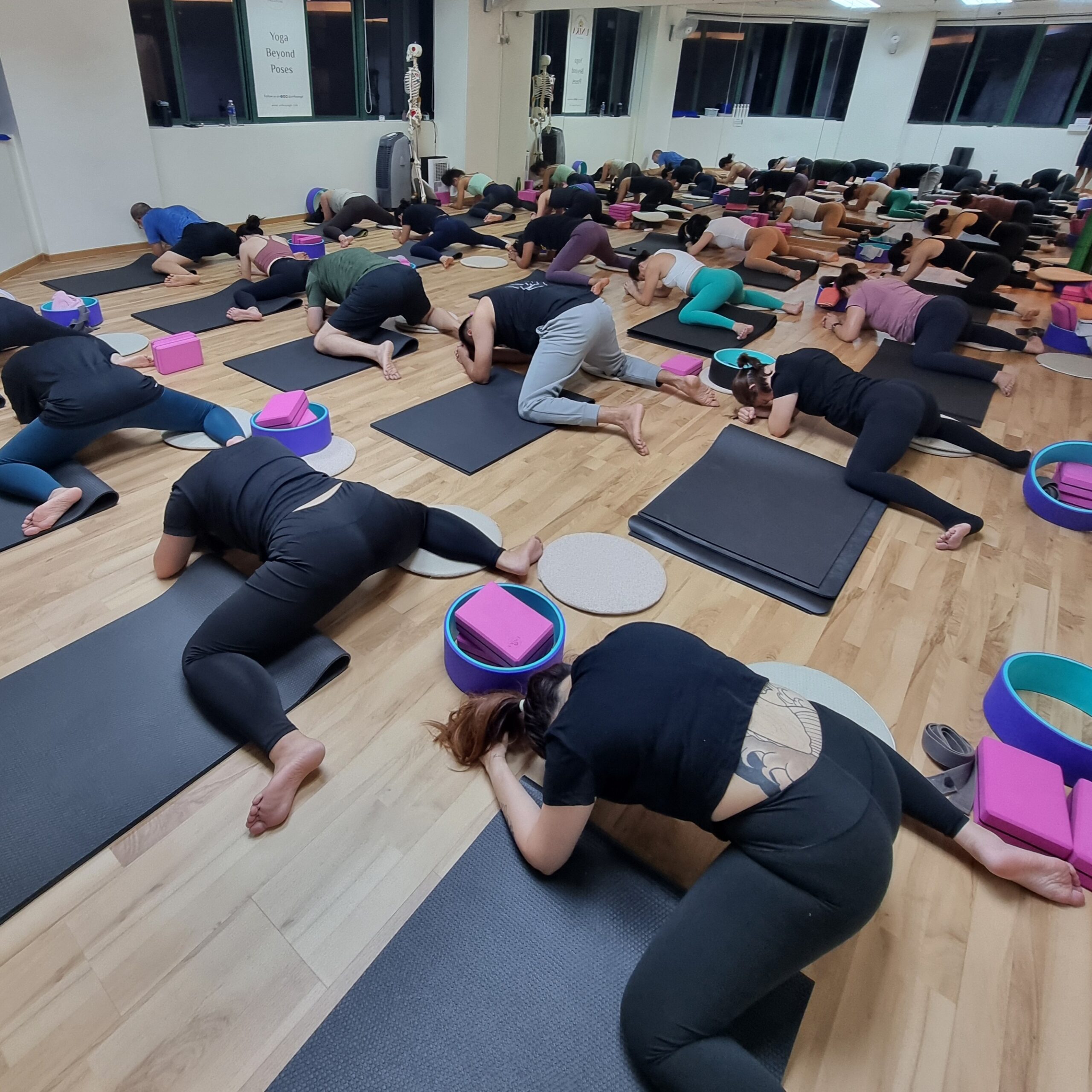
How much time does yoga take? Even 20-30 minutes makes a difference. Most companies schedule sessions during lunch breaks or before/after work hours—minimal disruption to productivity.
Do employees need to be flexible? No. Yoga adapts to every body. Beginners and experienced practitioners practice together comfortably.
What if we don’t have space? Yoga needs surprisingly little space. A conference room, break area, or outdoor space works perfectly.
Will employees actually participate? Participation is voluntary, and many organisations find that employee engagement grows steadily as teams recognise the positive impact of workplace yoga on stress management, physical well-being, and overall work performance.
How long until we see results? Employees feel immediate benefits after the first session. Measurable company-wide improvements appear within 4-6 weeks of regular sessions.
Is it just for fitness? No. Workplace yoga targets stress relief, mental clarity, physical wellness, and team building simultaneously.
The Bottom Line: Why This Trend Is Not Going Away
Singapore’s best companies understand a fundamental truth: employee wellness and business success are directly connected.
When people feel healthy, supported, and mentally clear, they naturally perform better. They’re more engaged. They stay longer. They contribute more meaningfully.
Yoga addresses real problems that companies face every day—stress, low focus, physical discomfort, poor team connection, and high turnover.
And it actually works. The science backs it up. The numbers prove it. Companies across Singapore are experiencing real, measurable benefits.
This is not a wellness trend that will fade. This is a smart business practice that’s here to stay.
Ready to Bring Wellness Into Your Workplace?
If your team is feeling stressed, tired, or disconnected, it might be time to explore workplace yoga for your company.
The best part? Workplace yoga programmes can be tailored to your organisation’s needs and goals. Whether you’re looking to support employee well-being, reduce workplace stress, or strengthen team connections, even small initiatives can make a meaningful difference.
Most companies that try workplace yoga make it permanent because the results speak for themselves.
Your team deserves to feel good at work. And your business deserves a healthy, focused, productive team.
It all starts with that first yoga session.
Your team's wellness matters. Your business success matters. They go hand-in-hand.
Discover how workplace yoga can transform your company culture and boost productivity.
Explore Corporate Yoga Solutions for Your Workplace
At Unika Yoga & Therapy, our corporate yoga programmes are tailored to your organisation’s unique needs—whether your goal is reducing workplace stress, improving posture and mobility, supporting employee well-being, or fostering stronger team connections through regular wellness sessions.
Connect with us to discuss customised corporate yoga solutions designed for your workplace.
Frequently Asked Questions
A: Workplace yoga focuses on stress relief, mental clarity, and team wellness alongside physical fitness. It's specifically designed for office environments and addresses the physical and mental demands of desk work.
A: Yoga reduces stress and improves mood through movement and breathing. Happier, calmer employees naturally become more engaged, collaborative, and motivated.
A: Yes. Therapeutic yoga targets common office pain—back strain, neck tension, shoulder tightness, and repetitive stress injuries. Many employees experience relief within weeks.
A: Participation is voluntary and usually high once employees experience benefits. Most companies see organic growth in participation over time.
A: 1-3 sessions per week is typical. Consistency matters more than frequency. Even weekly sessions show measurable benefits.
A: Perfect. Yoga adapts to every level. Total beginners and experienced practitioners benefit equally from the same session.
A: Workplace yoga is specifically designed for office environments, office-related stress, and team building. It focuses on quick relief, practical benefits, and accessibility for all fitness levels.