
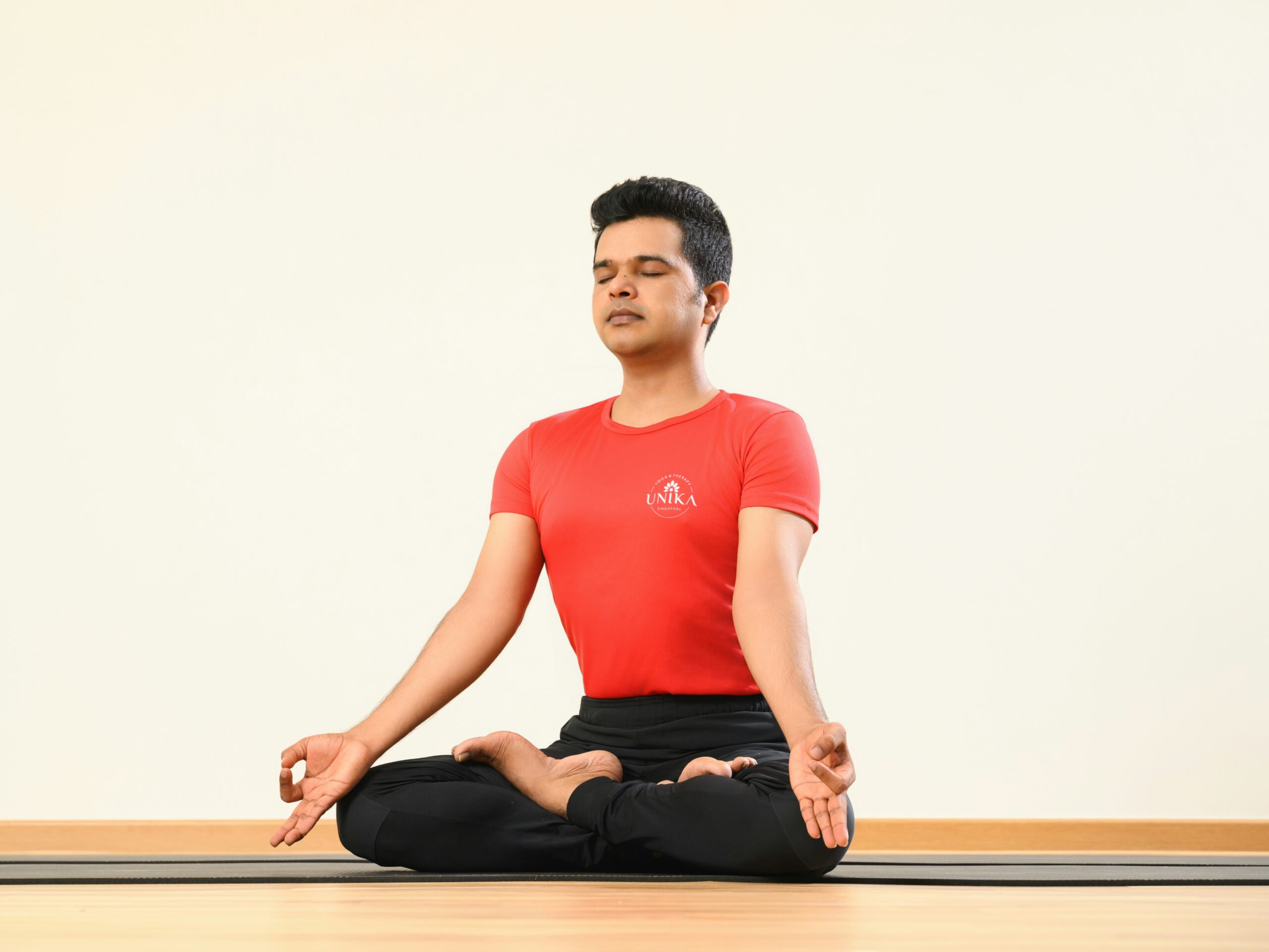
Yoga Beyond Poses: Why Depth Matters in Your Practice
For many people, yoga is often associated with stretching, balance, and physical postures. Images of complex poses and flexible bodies frequently appear in fitness magazines and social media, which can shape how yoga is understood.
While physical poses are an important part of yoga, they represent only one aspect of a much broader practice. Traditional yoga is a holistic system that integrates physical postures, breath regulation, mental discipline, and inner awareness to support overall wellbeing and deeper self-understanding.
What Do People Usually Think Yoga Is?
When people first encounter yoga, they often view it as a form of physical exercise.Classes commonly focus on stretching, strengthening muscles, and improving flexibility.
In modern yoga environments, the practice frequently centers on postures known as asanas. These poses involve movements such as standing balances, forward bends, and gentle twists.
This physical aspect of yoga can be beneficial. It helps improve mobility, posture, and coordination. However, the emphasis on poses can sometimes create the impression that yoga is primarily about achieving advanced positions.
In reality, physical postures were originally intended as a way to prepare the body for stillness and mental focus. They help release tension and improve circulation so the body can remain comfortable during breathing exercises and meditation.
Understanding this broader context allows practitioners to see yoga as more than a sequence of movements.
What Is Yoga Beyond Poses?
Yoga is traditionally understood as a holistic practice that integrates the body, breath, and mind. Rather than focusing only on physical ability, it cultivates awareness, balance, and a deeper connection with one’s internal experience.
This holistic approach to yoga includes breath regulation, meditation, and the cultivation of mindful awareness of sensations, thoughts, and inner experiences.
When these components are combined with physical postures, the practice becomes more balanced. The body moves with intention, the breath remains steady, and the mind gradually becomes calmer.
In this way, yoga functions as a mind-body discipline rather than simply a physical workout.
What Are the Main Elements of Yoga?
Several key practices form the foundation of yoga beyond physical movement.
One important element is (yogic breathing practices), often called pranayama. Breath awareness yoga focuses on regulating the rhythm and depth of breathing. Slow, controlled breathing can influence the nervous system and promote relaxation.
Meditation is another central component. During meditation, attention is directed inward. Practitioners may observe their breathing, body sensations, or thoughts without trying to change them.
Mindfulness also plays an important role. Mindful yoga practice encourages students to stay present during each movement rather than rushing through poses.
Relaxation practices are often included at the end of sessions.These moments allow the body to rest and integrate the effects of the practice.
Together, these elements support a stronger mind-body connection and contribute to overall wellbeing.
Why Do Many Yoga Practices Focus Only on Poses?
In many modern settings, yoga is taught primarily as a physical activity. Several factors contribute to this focus.
Fitness culture has influenced how yoga is presented. In gyms and exercise studios, yoga classes are often grouped with other forms of physical training.
Group class structures also play a role. When several students practice together, instructors may focus on guiding movement sequences that everyone can follow.
Time constraints can further limit the depth of a session. A typical class may last 60 minutes, which often leaves limited time for extended breathing practices or meditation.
Exploring the deeper aspects of yoga sometimes requires slower pacing and additional guidance. This is why some practitioners seek environments that encourage a more mindful approach to movement and breathing.
How Can Breath and Awareness Deepen Your Yoga Practice?
Breathing is closely connected to movement in yoga practice. When breath and movement are synchronized, each posture becomes more controlled and stable. Instead of rushing from one pose to the next, practitioners move with a steady rhythm.
Breathing also affects the nervous system. Slow, deep breaths can activate the body’s relaxation response. This helps reduce physical tension and supports mental calmness.
For example, during a simple forward bend, a practitioner may inhale to lengthen the spine and exhale to gently deepen the stretch. The breath guides the pace of the movement.
By paying attention to breath and sensations, practitioners develop greater awareness of their bodies. This awareness is an important part of deeper yoga practice.
Over time, breathing becomes a tool that supports both physical stability and emotional balance.
What Benefits Come From Practicing Yoga More Deeply?
Exploring yoga beyond poses can bring several benefits.
One of the most noticeable changes is improved body awareness. Practitioners become more attentive to how their bodies move and respond during daily activities.
Mental focus may also improve. When attention is trained to follow the breath or observe sensations, it becomes easier to stay present rather than distracted.Deeper yoga practice can also support stress regulation. Relaxed breathing and mindful movement encourage the nervous system to shift into a calmer state.
Another benefit is the strengthening of the mind-body connection. Practitioners begin to recognize how emotional states influence posture, breathing, and physical tension. These benefits develop gradually through consistent practice rather than intensity.
How Can Beginners Start Exploring the Deeper Side of Yoga?
Beginners do not need advanced poses to explore the deeper aspects of yoga.
A simple starting point is paying attention to breathing during each posture. Instead of holding the breath or moving quickly, practitioners can focus on slow and steady inhalations and exhalations.
Slowing down the pace of practice can also make a difference. Moving slowly allows time to notice how each posture affects the body.
Adding a short period of meditation or relaxation at the end of a session can further deepen the experience. Even a few minutes of stillness helps the body absorb the effects of the practice.
Consistency is more important than complexity. Regular, mindful practice often leads to greater understanding than attempting difficult poses.
This approach makes yoga accessible to beginners and experienced practitioners alike.
What Role Does Guidance Play in a Deeper Yoga Practice?
Guidance from trained instructors can help practitioners explore yoga more safely and effectively.
Instructors provide instruction on alignment, breathing patterns, and pacing. This guidance ensures that movements remain balanced and appropriate for each individual.
Learning proper breathing techniques is particularly important. (yogic breathing practices) can feel unfamiliar at first, and experienced instructors can demonstrate how to practice it comfortably.
Supportive guidance can also help practitioners remain patient with the process. Deeper yoga practice develops gradually and requires consistent attention.
How Can You Integrate Yoga Philosophy Into Everyday Life?
Yoga practice does not end when the session finishes.
Many of its principles can be applied during daily activities. For example, mindful breathing can be used during stressful moments at work or while commuting.
Posture awareness is another simple application. Paying attention to how the body sits or stands throughout the day can reduce unnecessary tension.
Short pauses for relaxation can also support balance. Taking a few moments to stretch or breathe deeply can reset both the body and the mind.
Mindfulness developed during yoga practice can gradually influence everyday habits, encouraging calmer responses to challenges.
In this way, yoga philosophy becomes part of daily life rather than something limited to the practice space.
Why Depth Matters More Than Complexity in Yoga
Yoga is sometimes associated with complex or visually impressive poses. However, difficulty does not necessarily reflect the depth of a practice.
Depth in yoga comes from awareness, steady breathing, and consistent attention to how the body and mind interact.
A simple posture performed with mindful breathing can be more meaningful than a challenging pose performed without awareness.
For many practitioners, exploring yoga beyond poses leads to a more balanced experience. The practice becomes less about performance and more about understanding the body and mind.
Exploring a Deeper Yoga Practice at Unika Yoga
For those interested in experiencing yoga beyond physical poses, practicing in a calm and supportive environment can be helpful. Guidance from experienced instructors can make it easier to understand how breath, movement, and awareness work together in a balanced yoga practice.
At Unika Yoga, yoga sessions often include elements such as mindful movement, breathing techniques, and relaxation practices alongside traditional postures. This approach allows participants to explore yoga as a complete practice rather than focusing only on physical exercise.
Students can take their time to develop awareness of their breathing, improve posture, and gradually build a consistent practice. For those curious about exploring a deeper side of yoga, guided classes and wellness sessions may offer a structured way to begin.