
What Is the Difference Between a Yoga Workshop and Regular Yoga Classes?
Yoga is commonly practiced in group classes at studios, gyms, and wellness centers. These classes help people stay active, improve flexibility, and manage stress through guided movement and breathing.
Alongside regular classes, many studios also offer yoga workshops. While both involve yoga instruction, they serve slightly different purposes and are structured in different ways.
Understanding the difference between yoga workshops and regular yoga classes can help individuals decide which format best supports their learning and practice goals.
What Are Regular Yoga Classes?
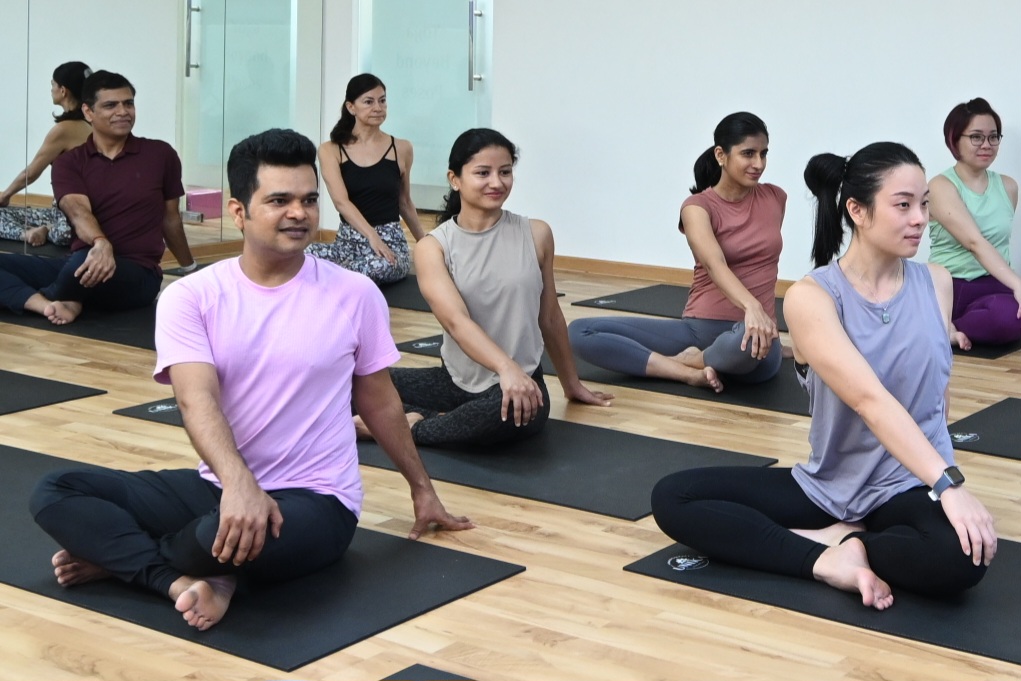
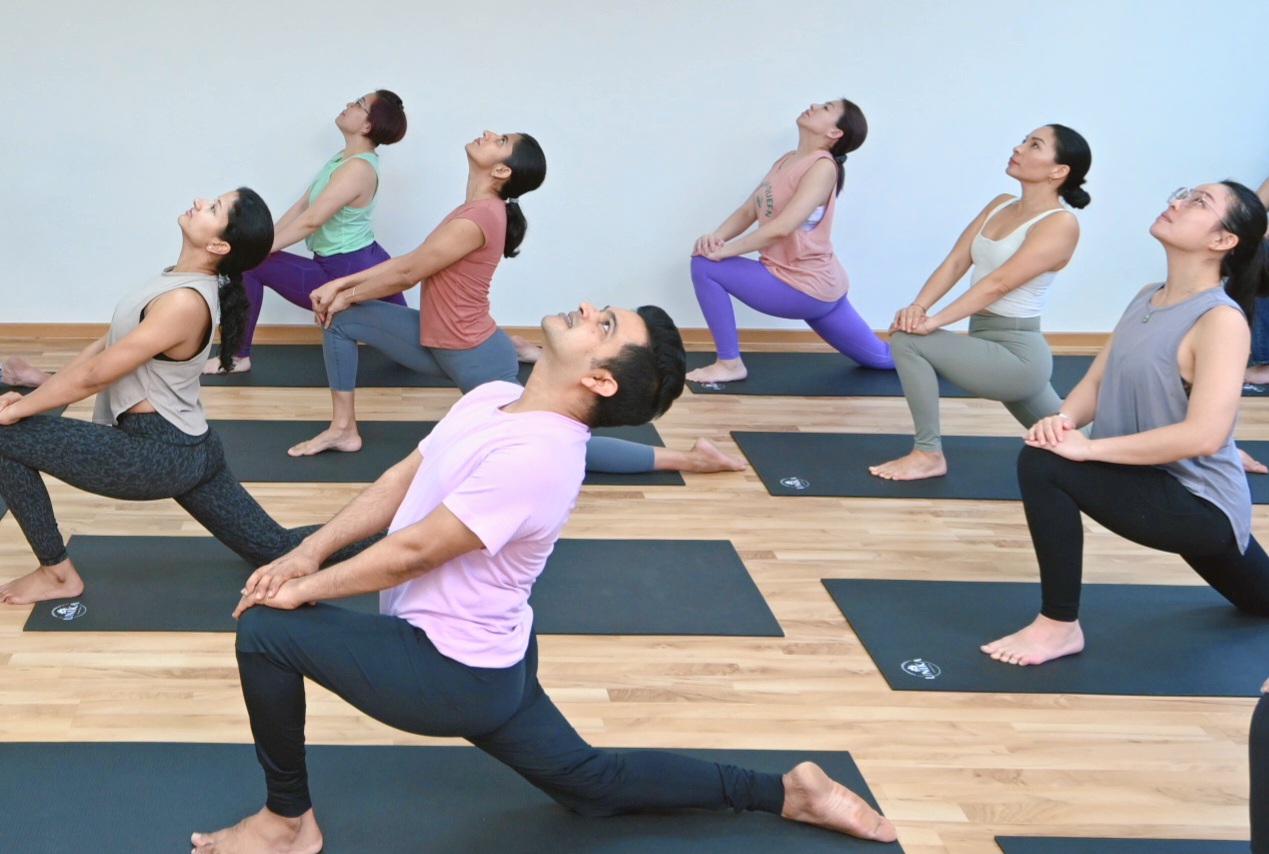
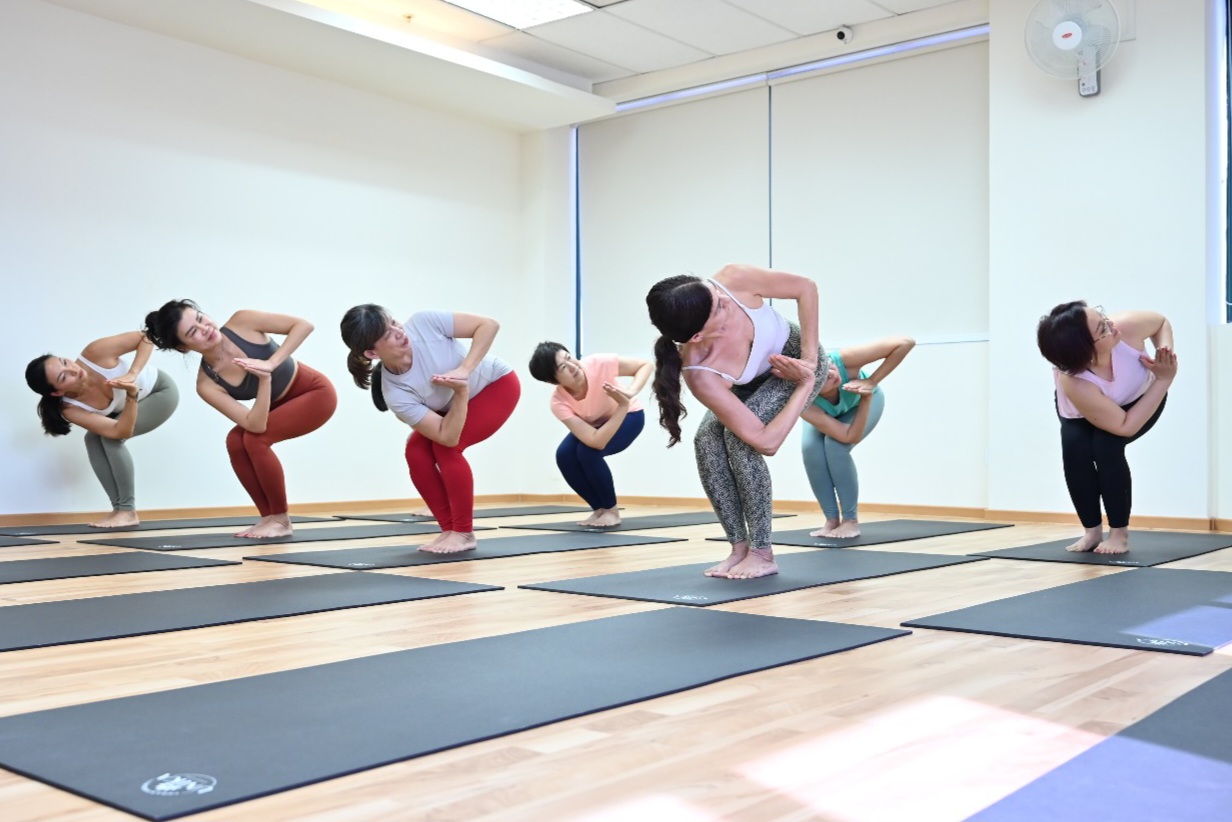
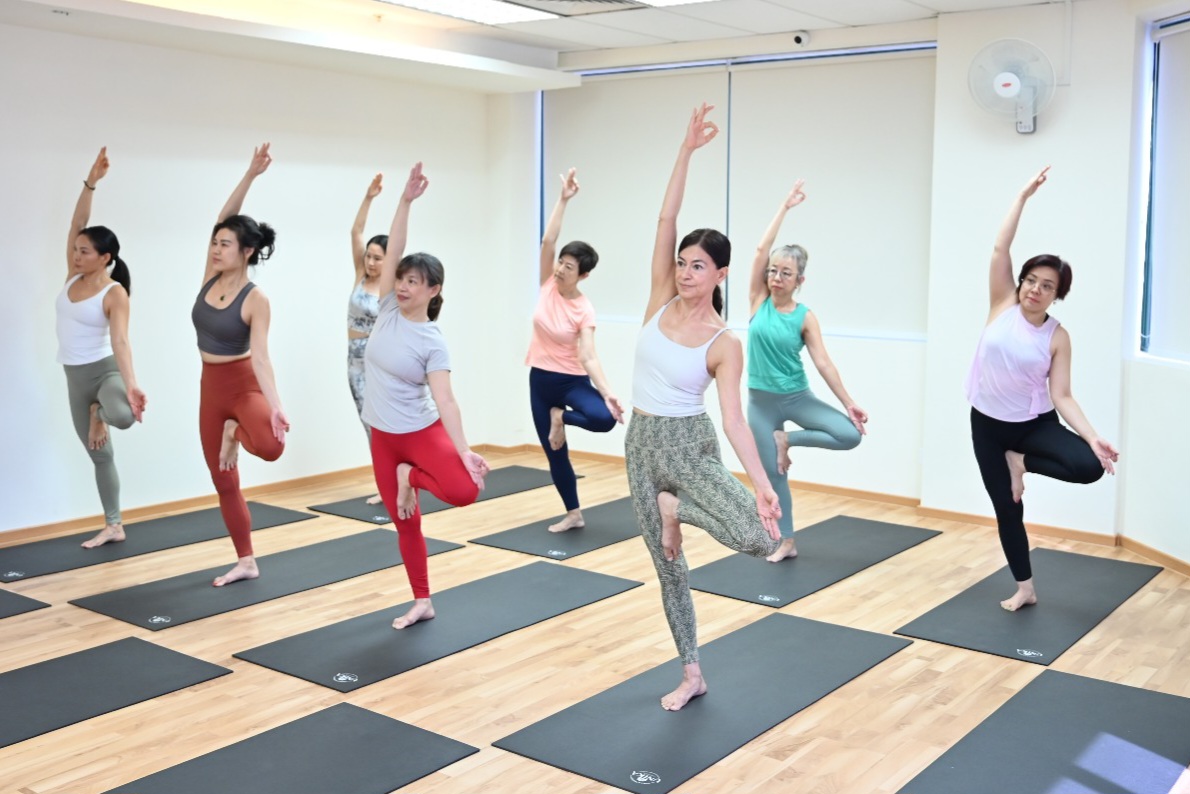
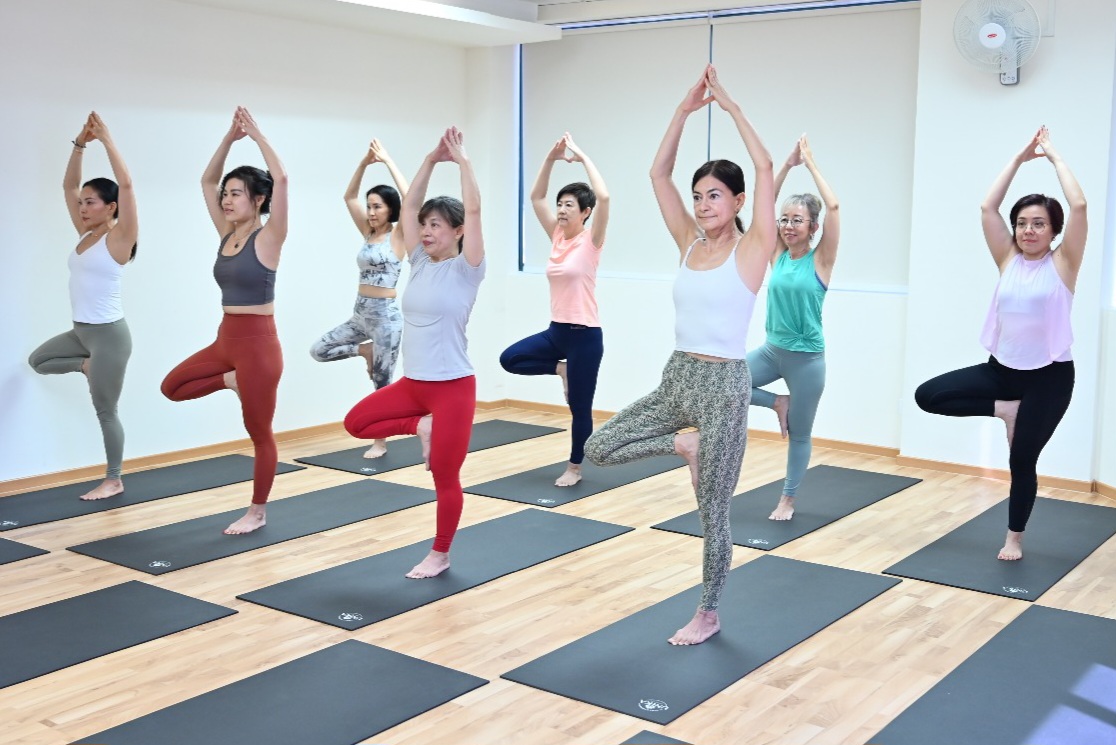
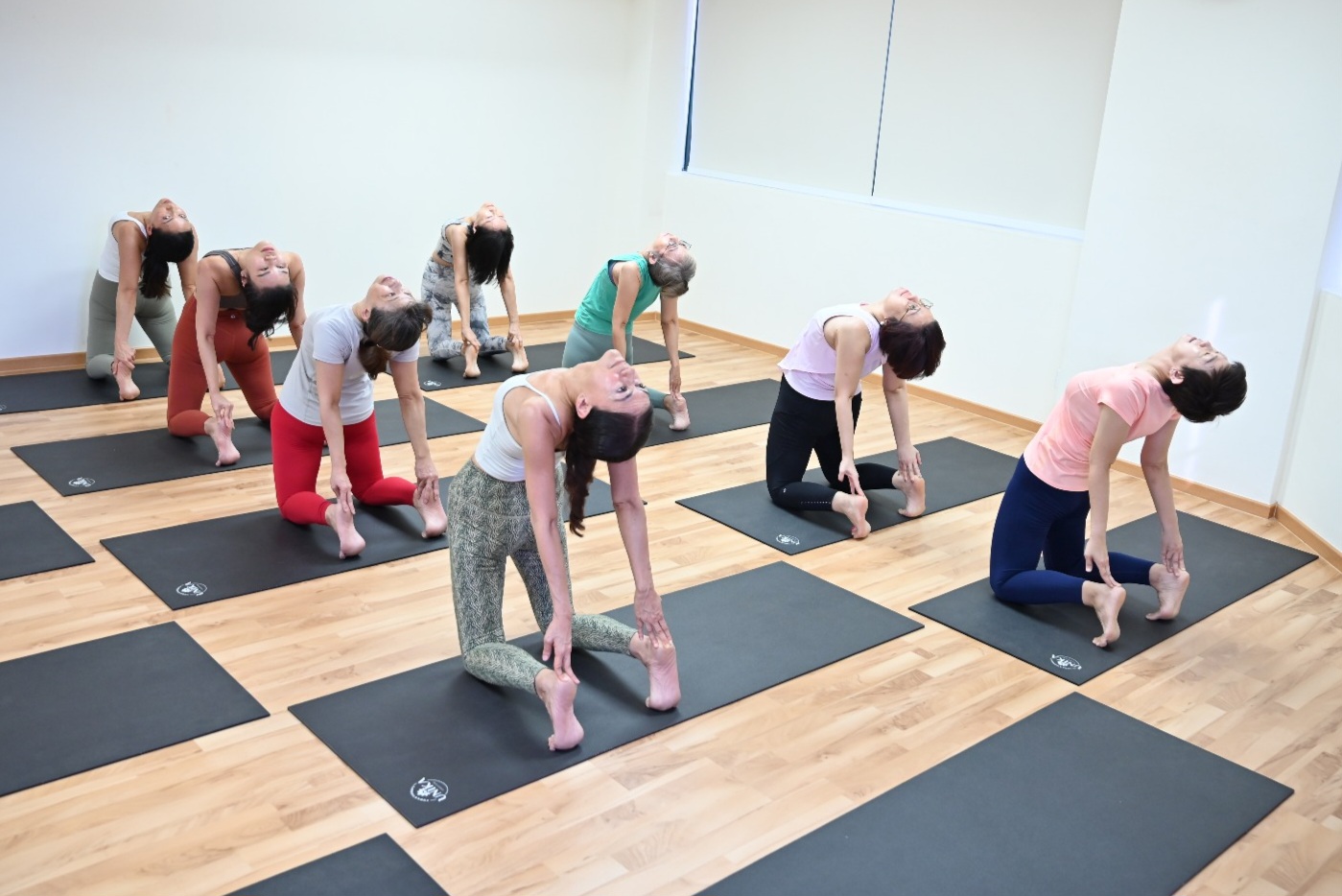
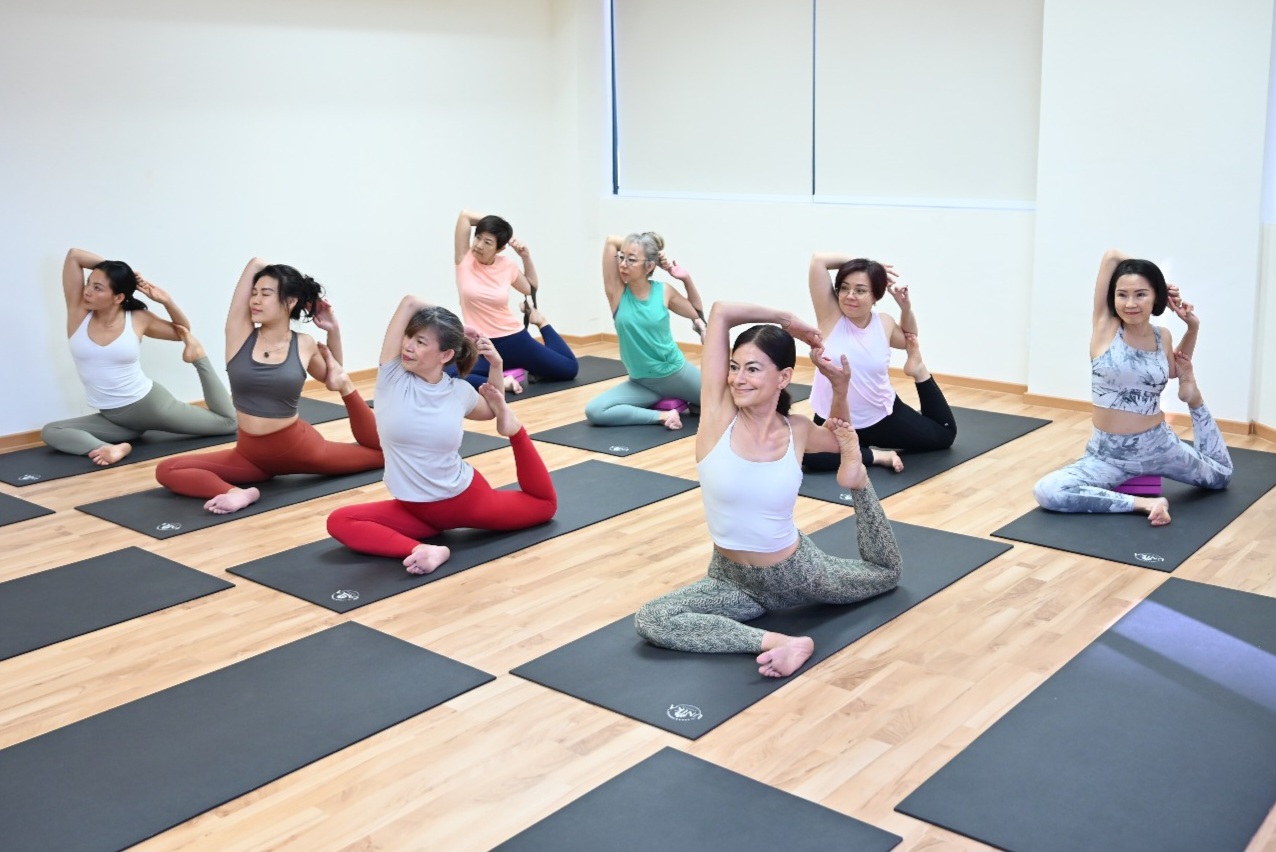
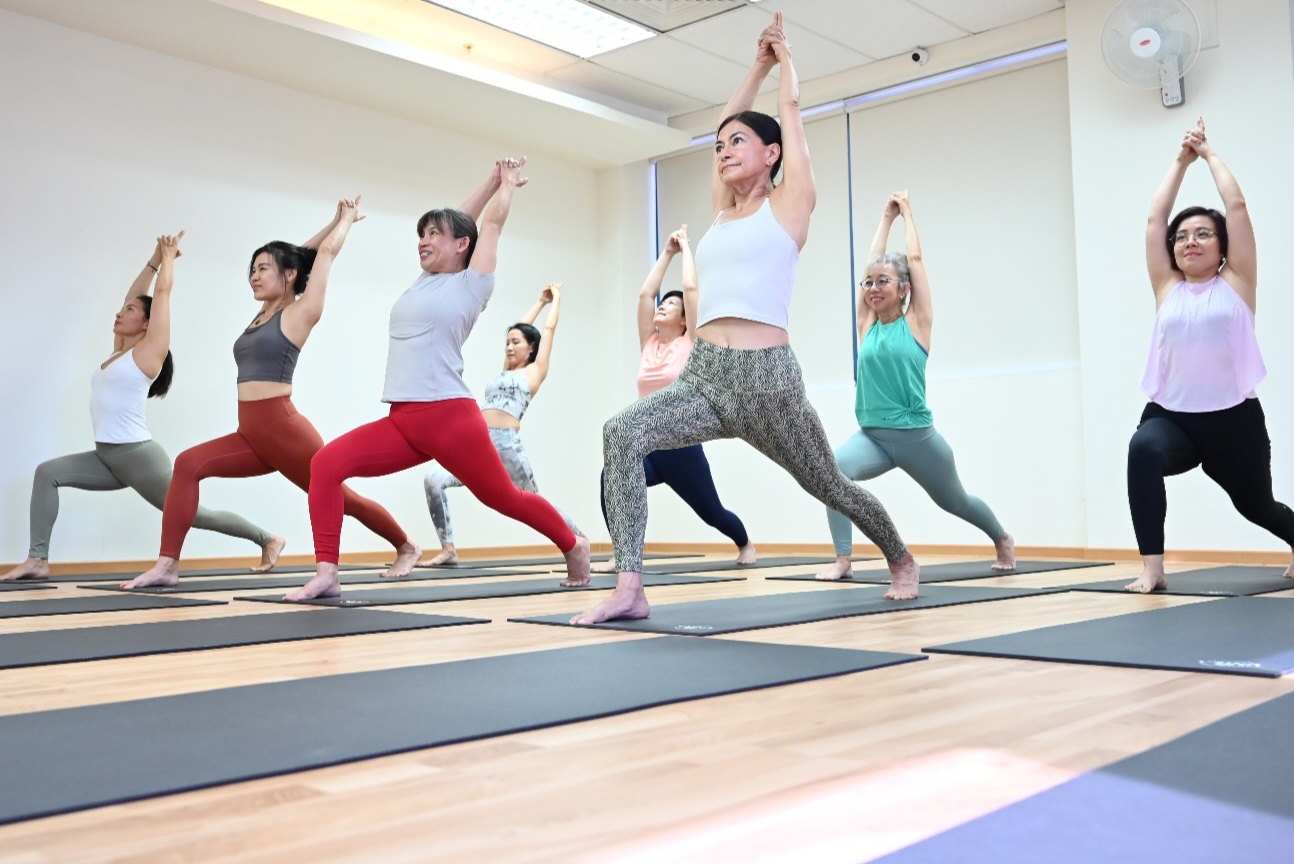
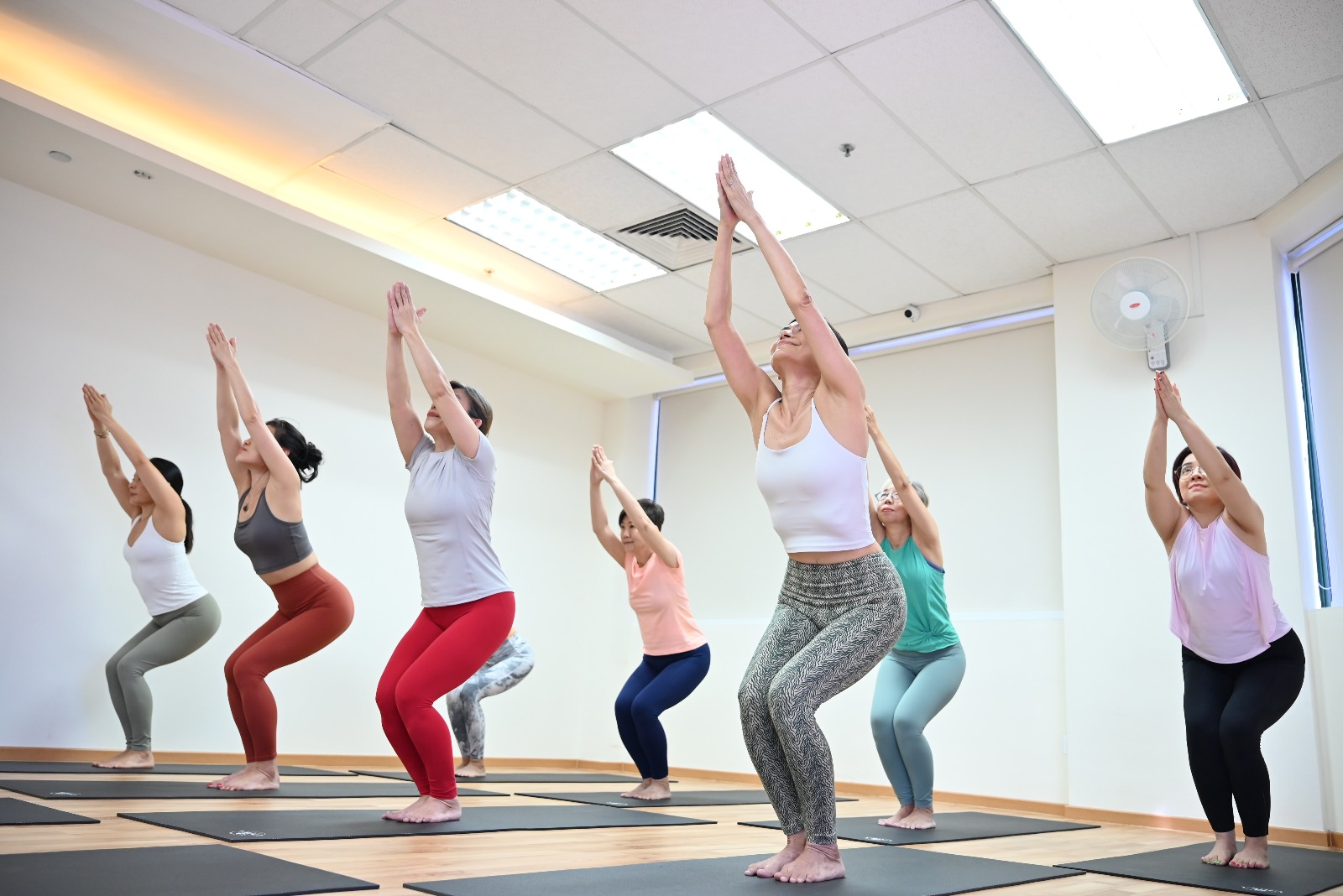
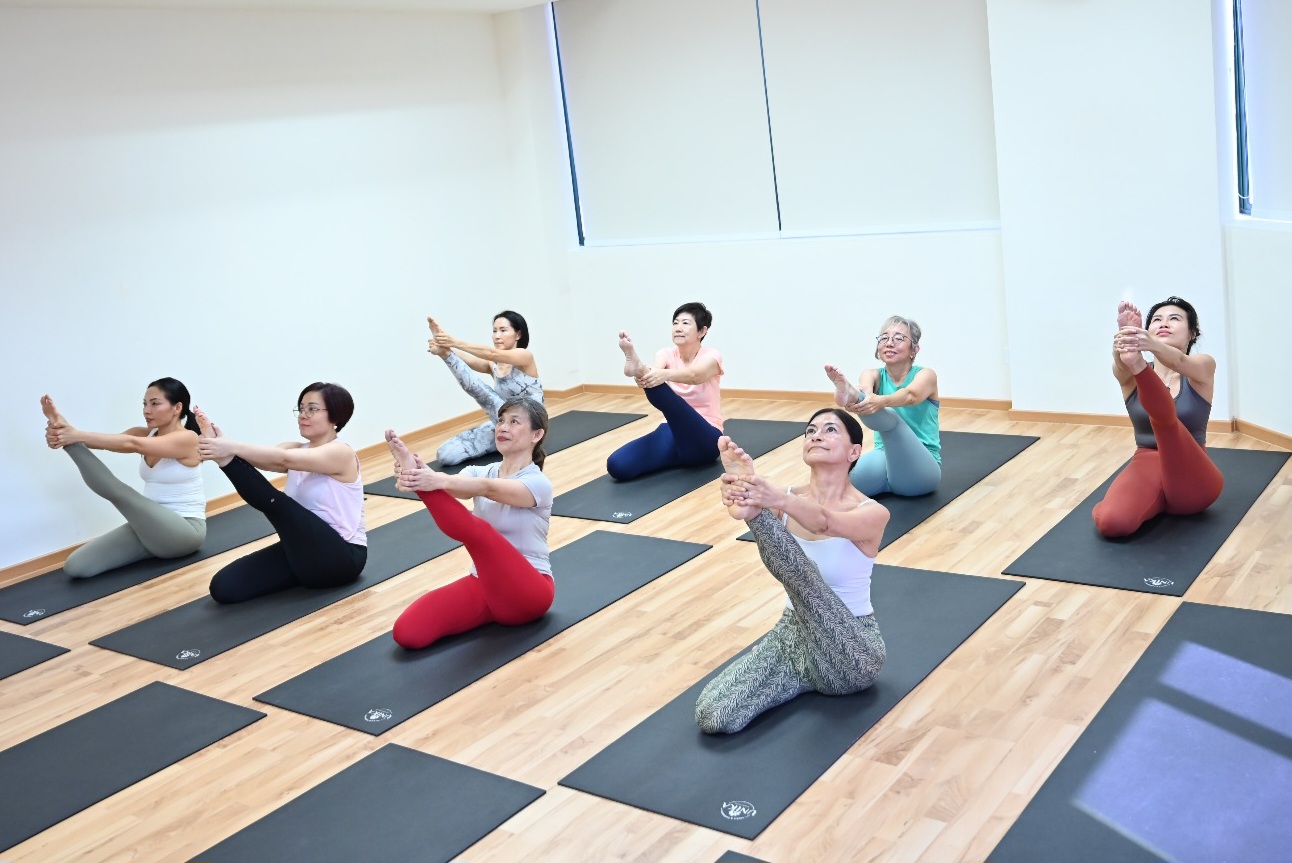
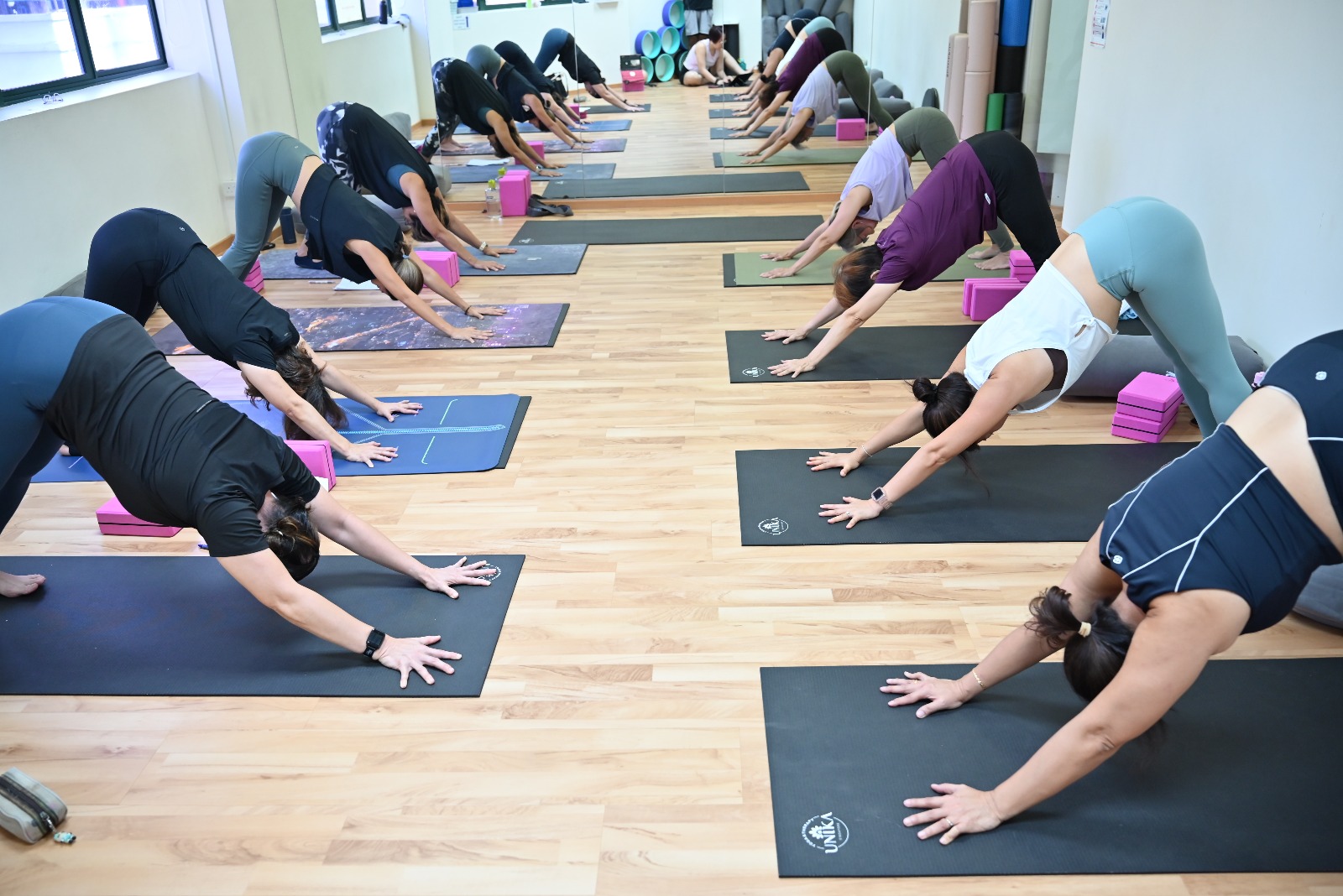
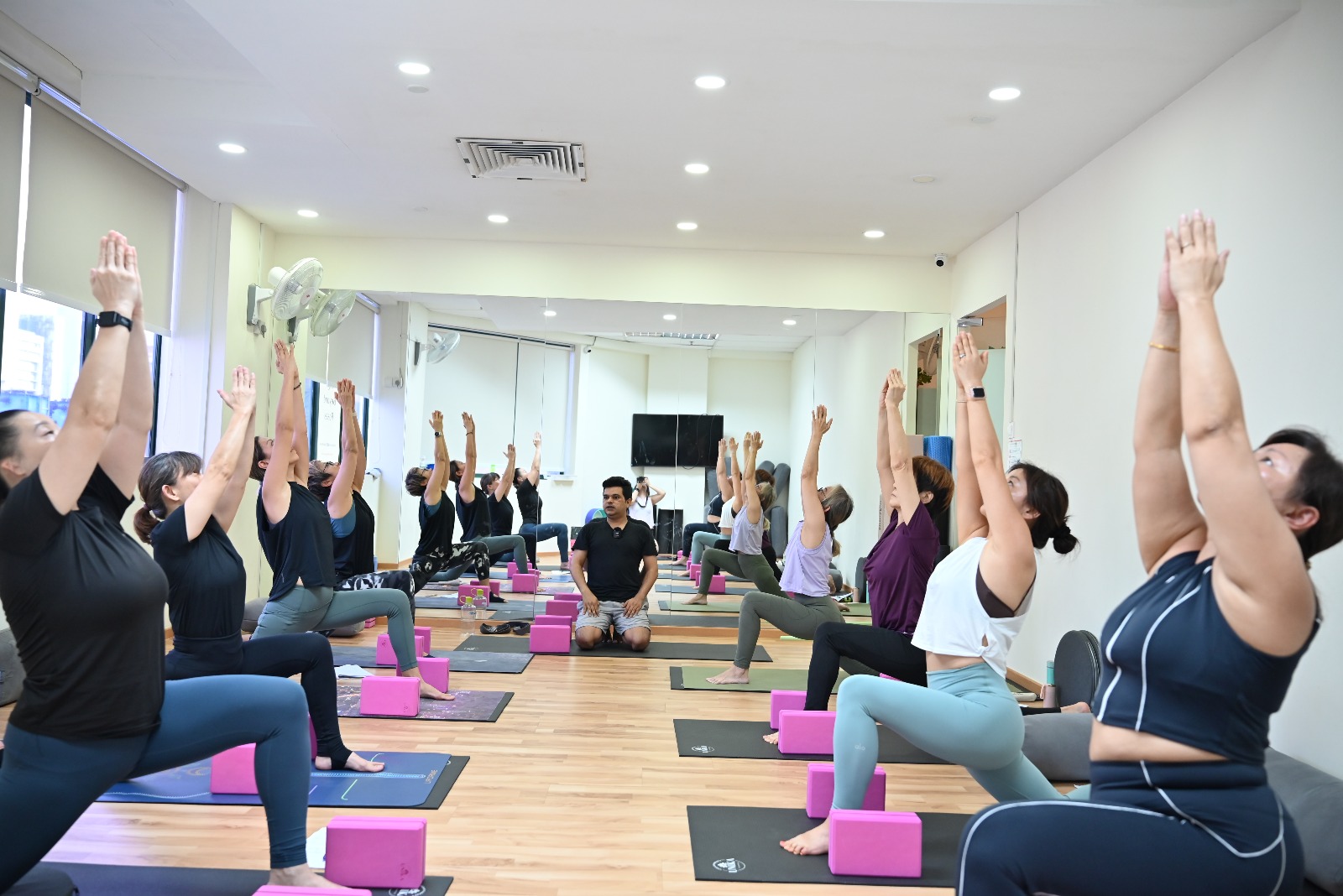
Regular yoga classes are the most common way people practice yoga. These sessions are usually scheduled weekly or daily at a yoga studio or wellness center.
A typical class follows a structured sequence. It may begin with a short warm-up to prepare the body, followed by a series of yoga poses, and then end with relaxation.
Most classes last between 45 and 75 minutes. During this time, the instructor guides participants through a flow of movements and breathing exercises.
Regular yoga classes focus on general wellbeing. They help improve flexibility, balance, and strength while also providing time for relaxation.
For many people, these classes become part of a routine that supports both physical activity and stress relief.
What Is a Yoga Workshop?
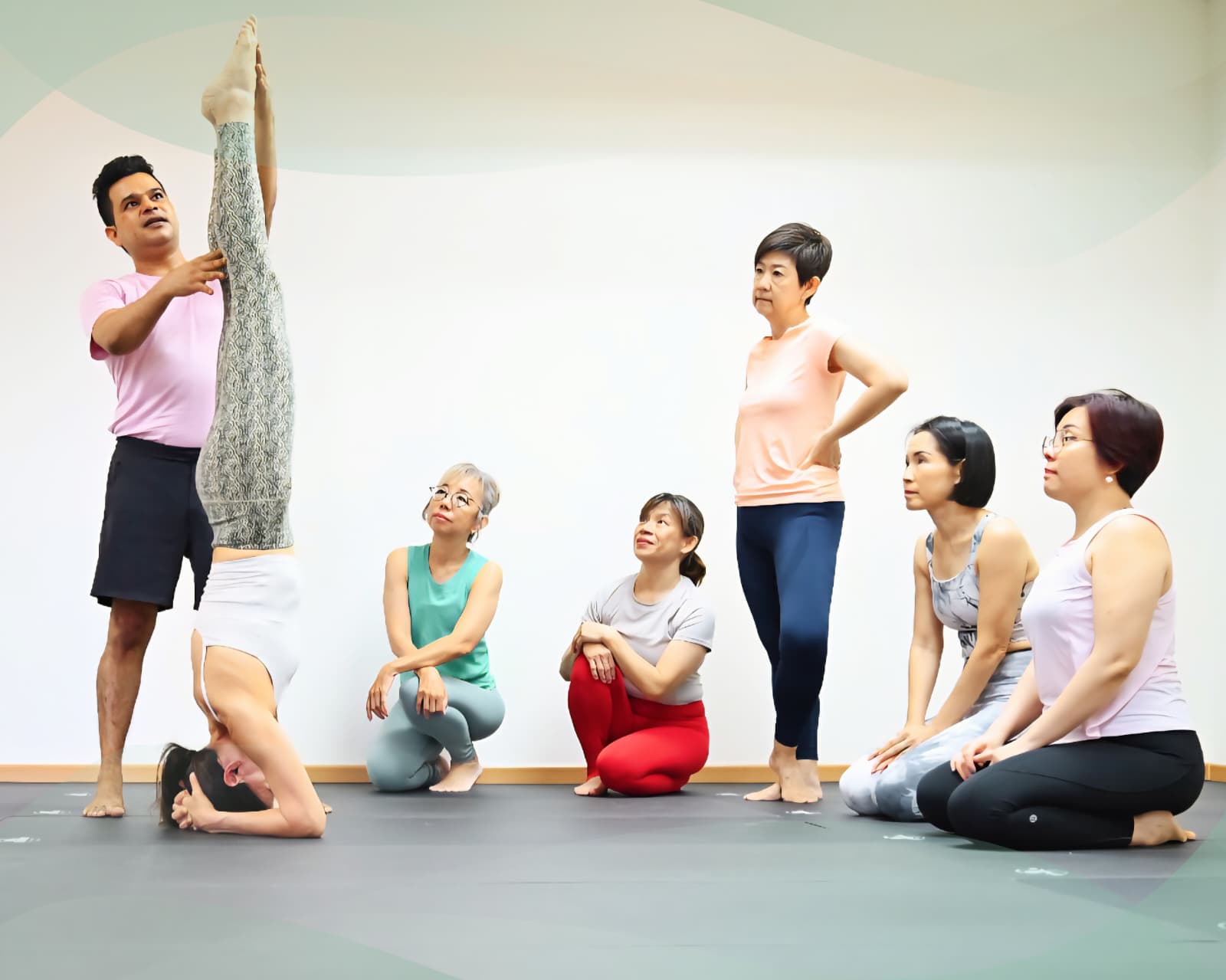
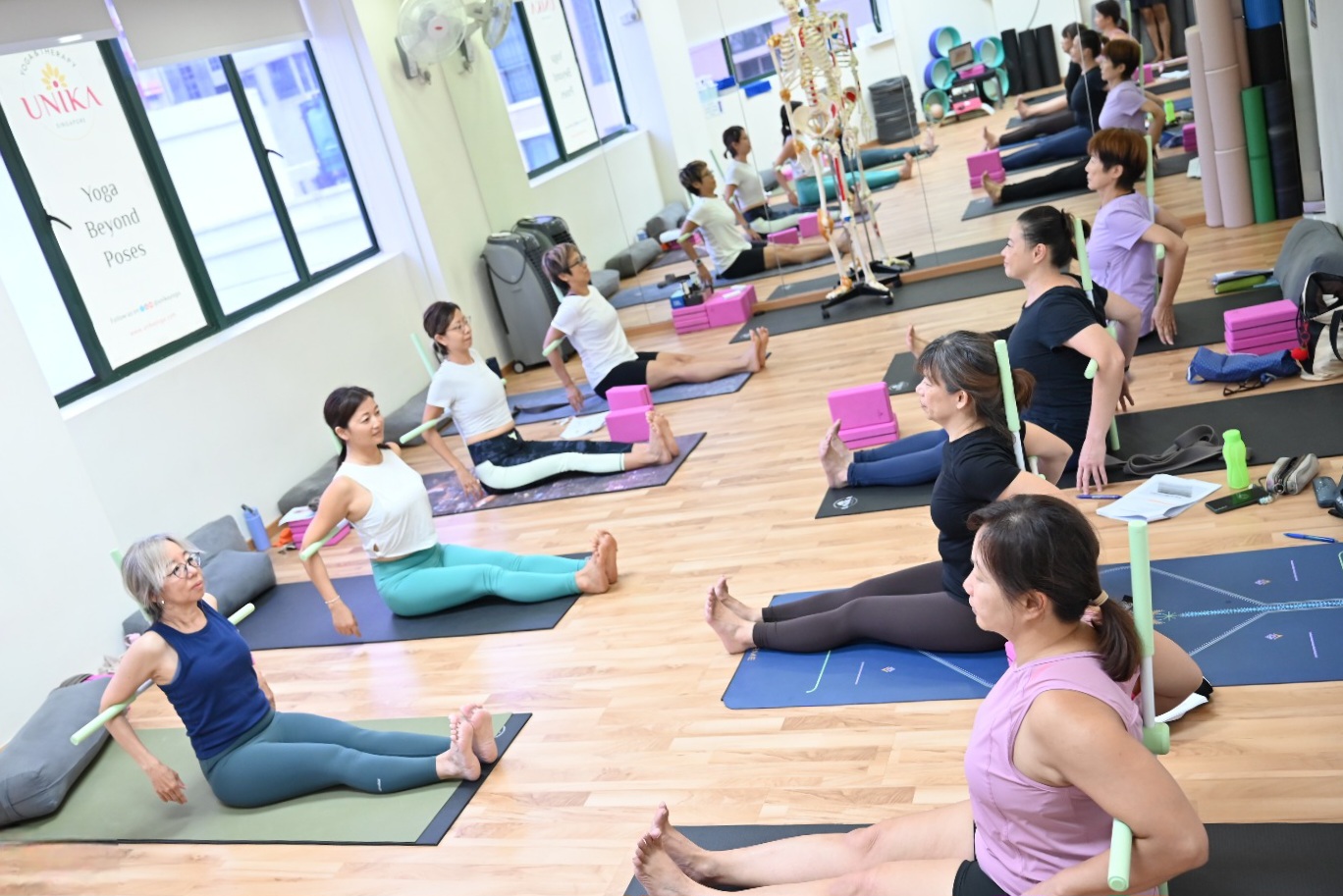
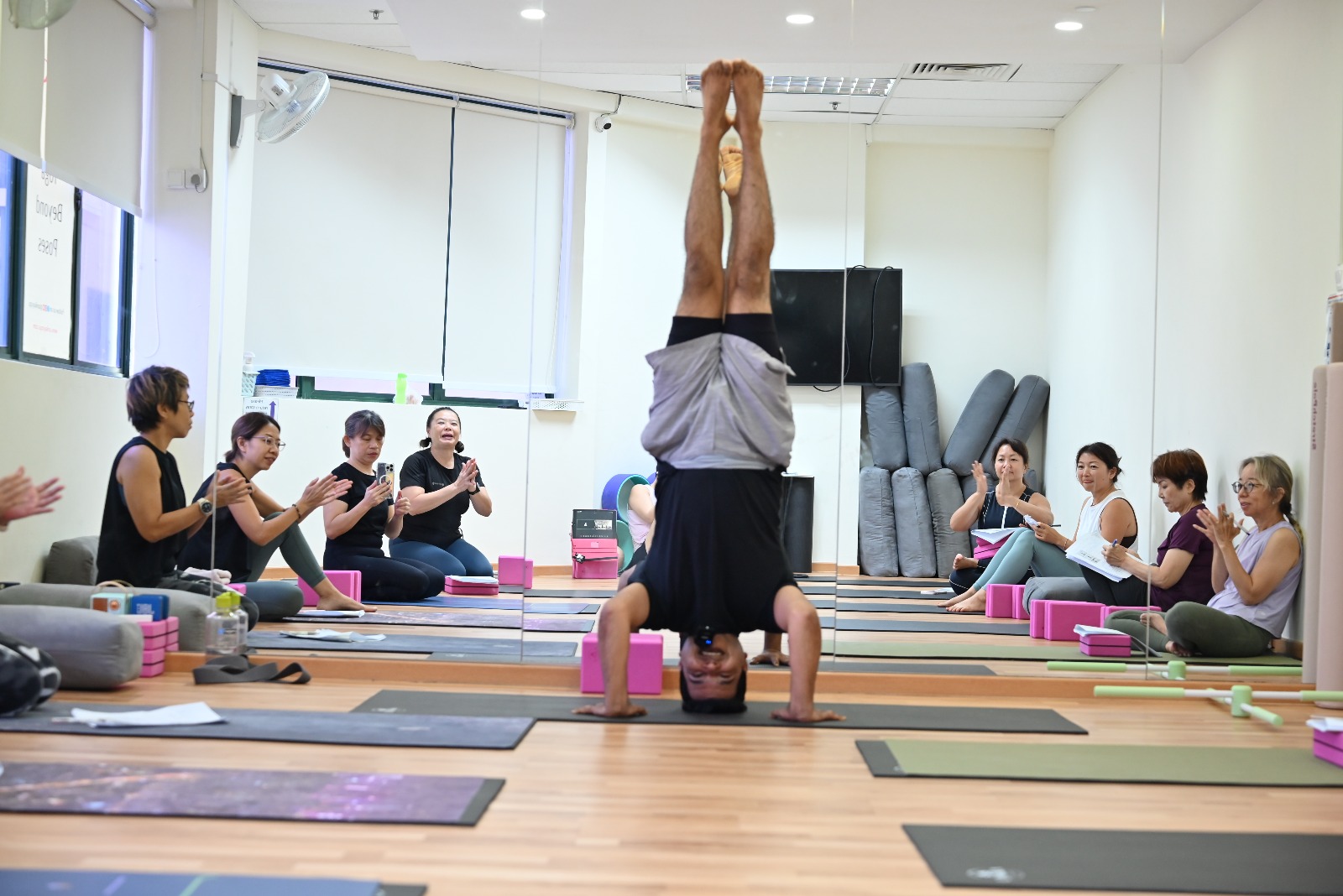
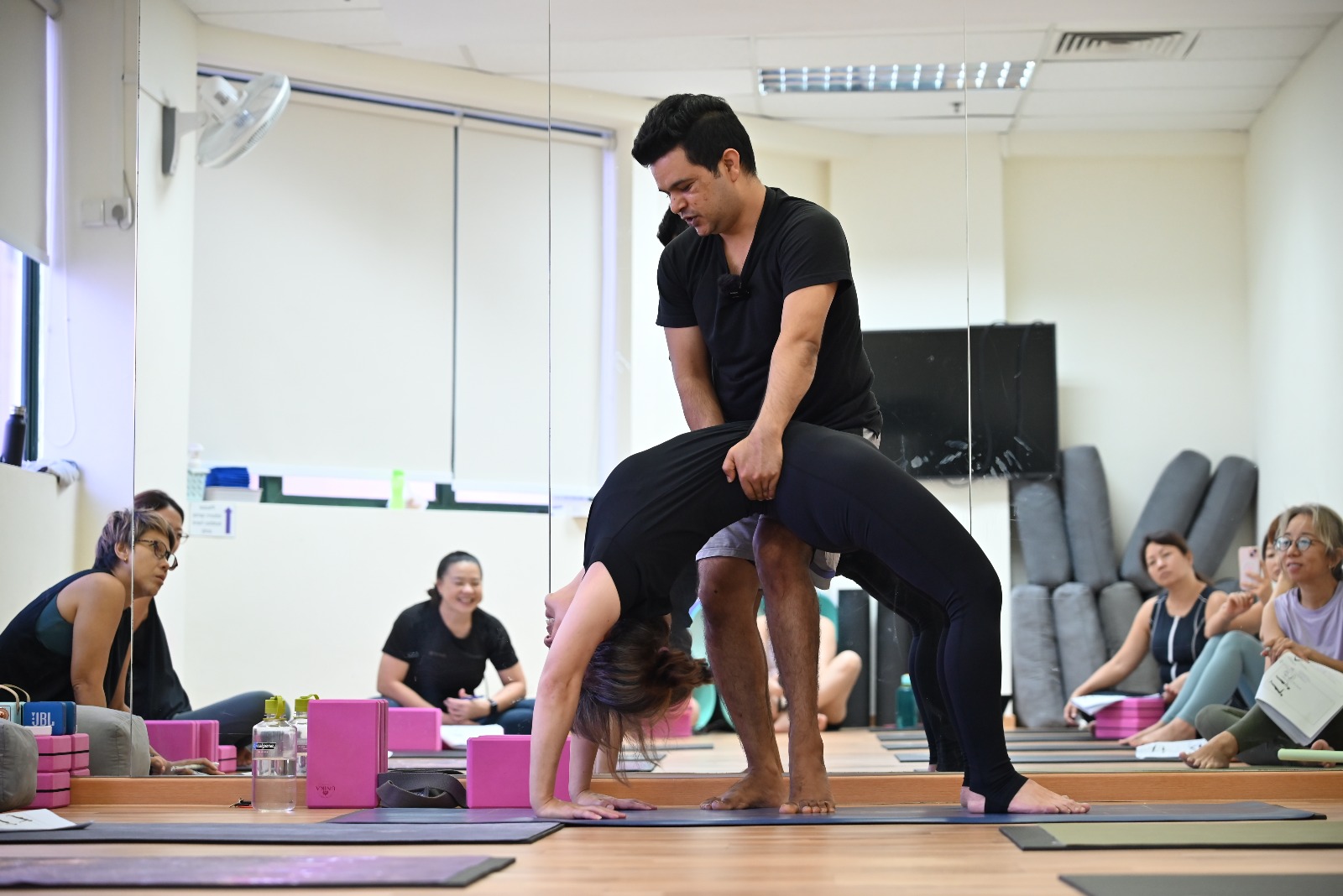
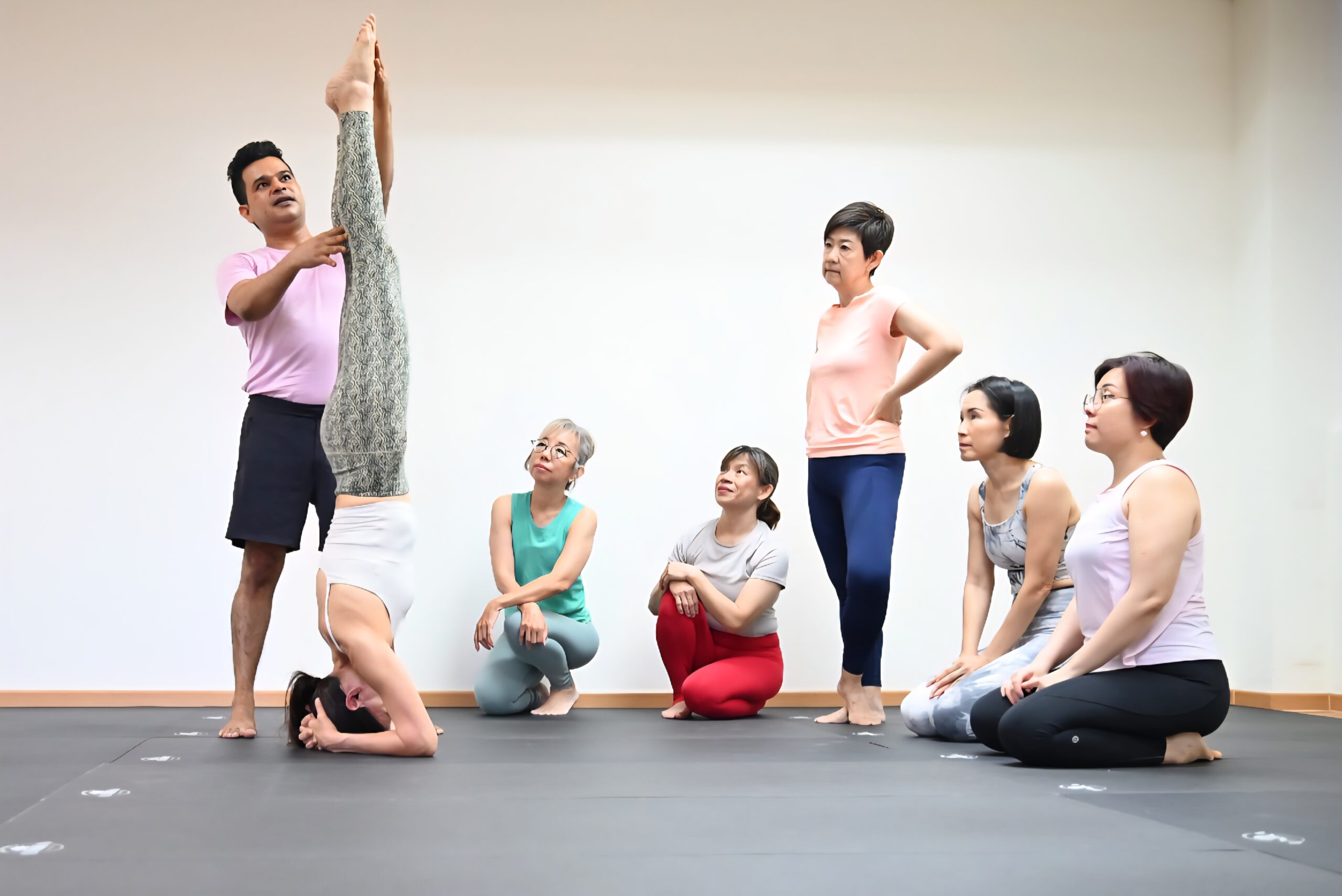
A yoga workshop is a longer and more focused learning session.
Unlike regular classes, which are usually under an hour, workshops often 4-12 hours. Some workshops may also take place over several sessions or days.
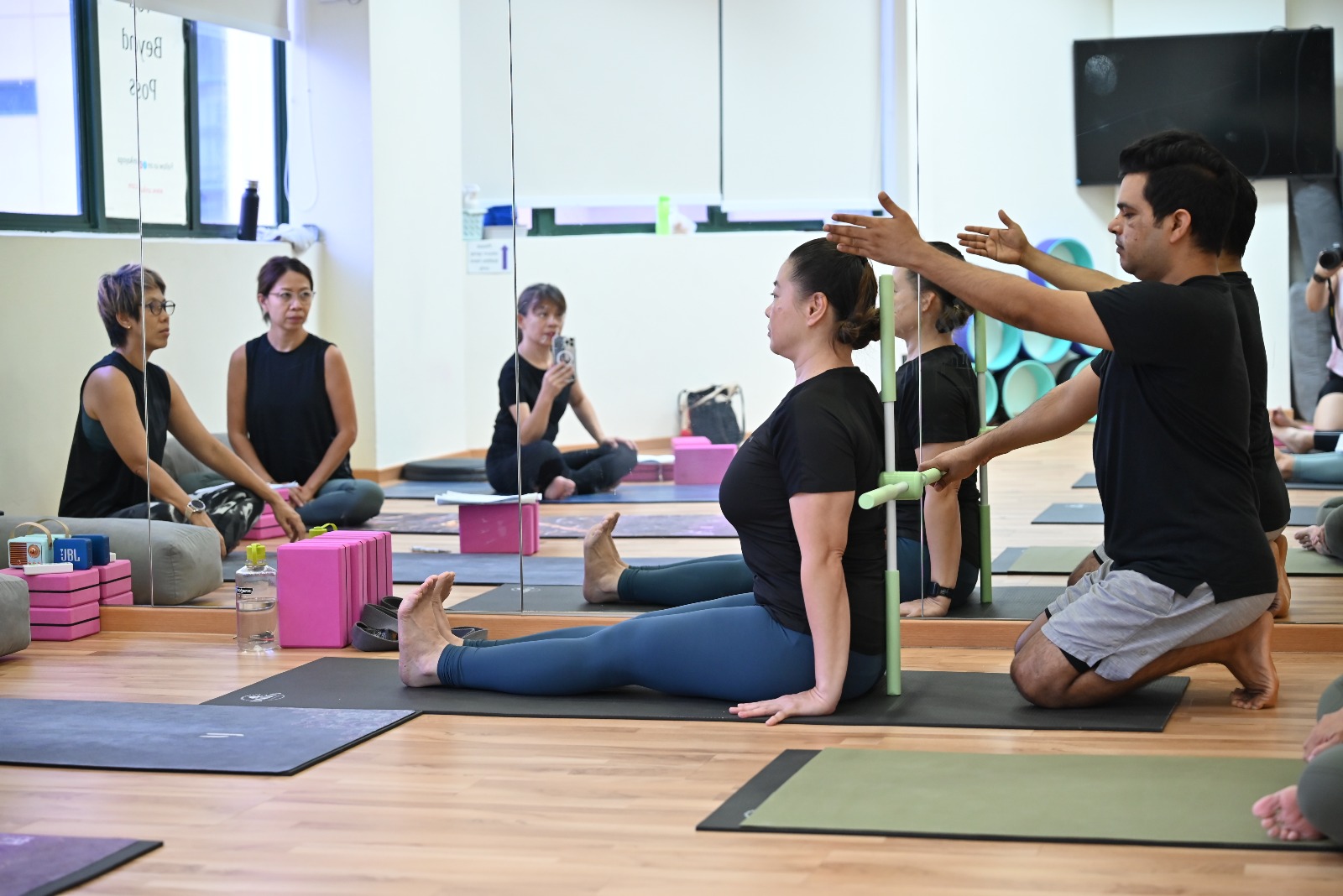
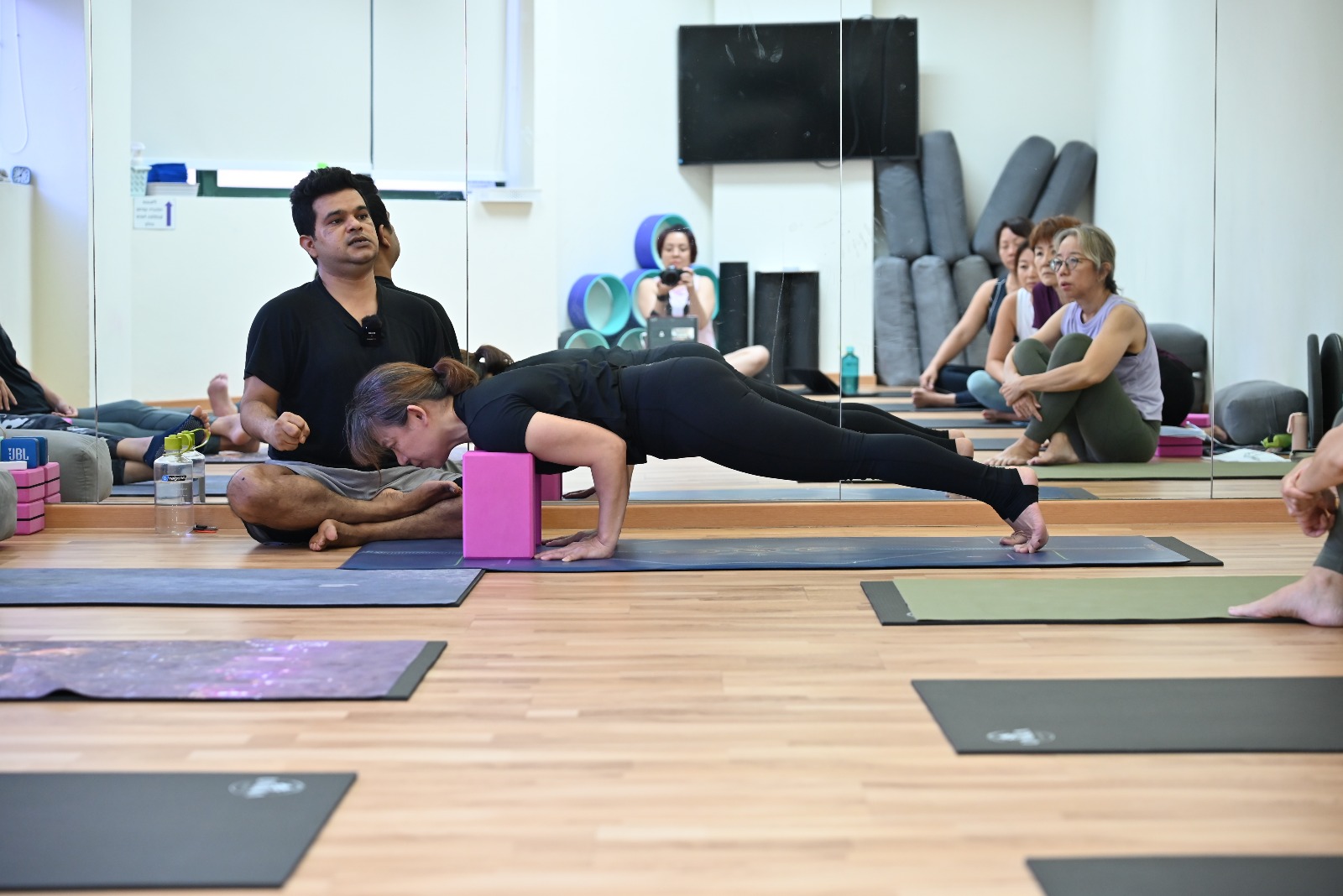
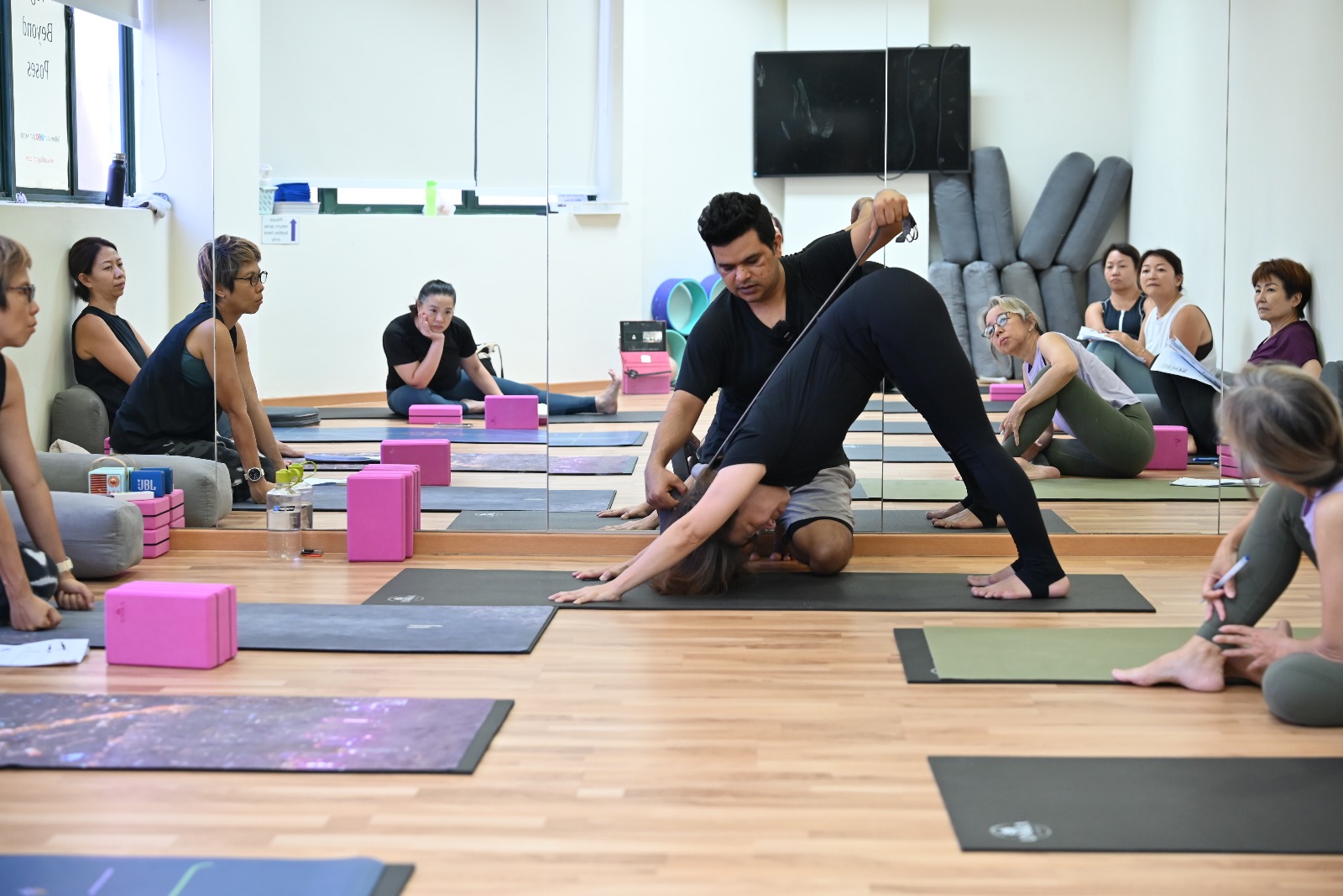
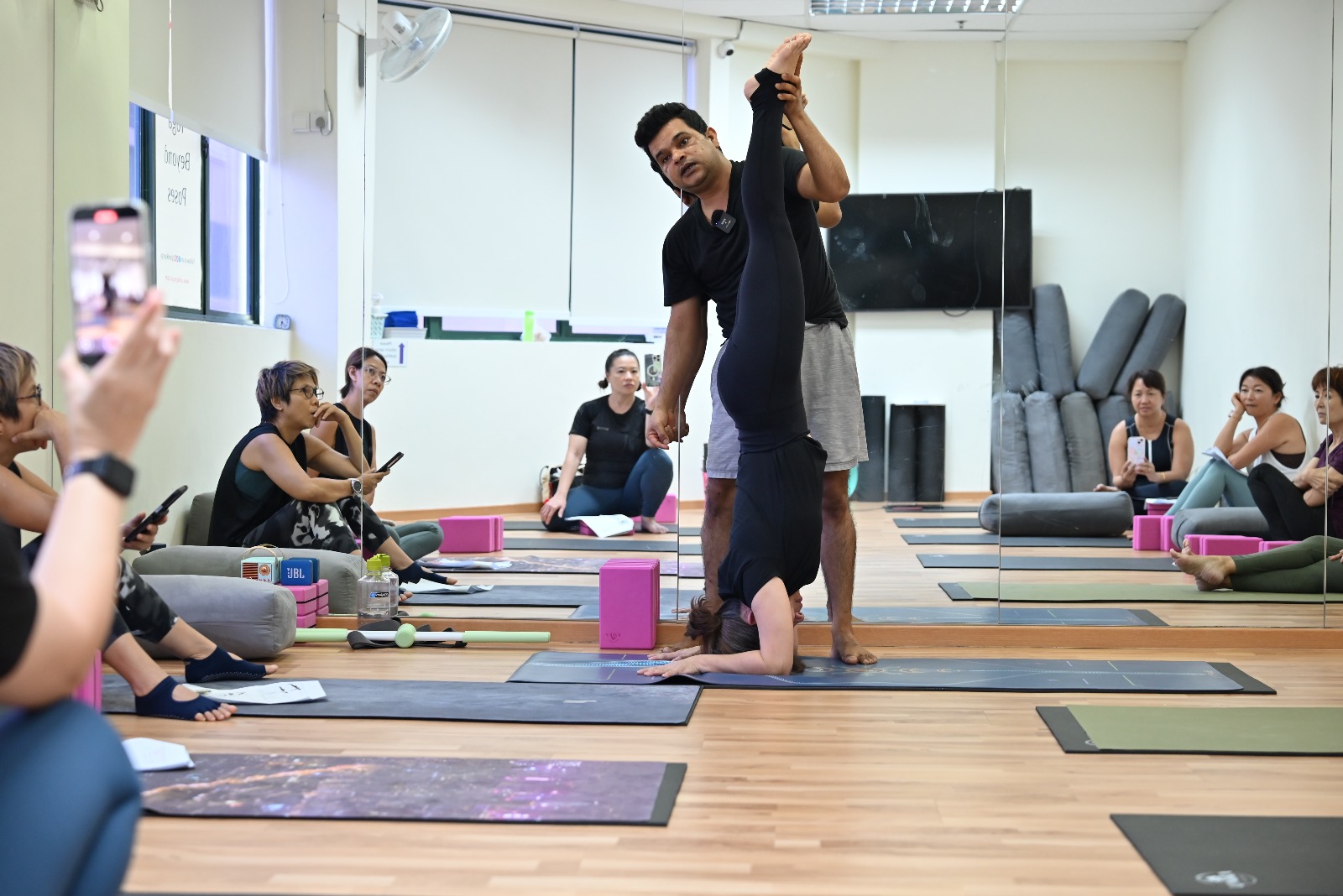
The main purpose of a workshop is education. Instead of moving quickly through many poses, the instructor spends more time explaining specific techniques or concepts.
For example, a workshop might focus on breathwork yoga sessions, meditation techniques, or posture alignment.
Because workshops allow more time for instruction and discussion, they often provide a deeper learning experience compared to regular yoga classes.
How Is a Yoga Workshop Different From a Regular Class?
Both yoga workshops and regular classes involve guided yoga practice, but they differ in structure, learning approach, and purpose. The table below highlights the key differences.
| Aspect | Regular Yoga Classes | Yoga Workshops |
| Session Length | Usually 45–75 minutes | Often 4-12 hours or sometimes multiple sessions |
| Primary Focus | General practice including movement, stretching, and relaxation | Focused learning on a specific topic or skill |
| Learning Depth | Introduces techniques briefly within the flow of the class | Explores concepts in more detail with explanations |
| Pace of Instruction | Faster pace to complete a full sequence within limited time | Slower pace allowing deeper exploration of techniques |
| Interaction | Limited time for individual questions | More opportunity for discussion and clarification |
| Purpose | Supports regular physical activity and stress relief | Helps participants gain deeper understanding of specific aspects of yoga |
Regular classes help build consistency in practice, while workshops provide additional time to explore certain techniques or topics more thoroughly.
What Topics Are Usually Covered in Yoga Workshops?
Yoga workshops often focus on specific themes or areas of practice.
Breathwork and pranayama are common topics. These sessions teach participants how to regulate breathing patterns to support relaxation and focus.
Meditation and yoga workshops are also widely offered. These workshops introduce techniques that help individuals develop mindfulness and concentration.
Yoga philosophy basics may be explored as well. These sessions explain traditional concepts that shape the philosophy behind yoga practice.
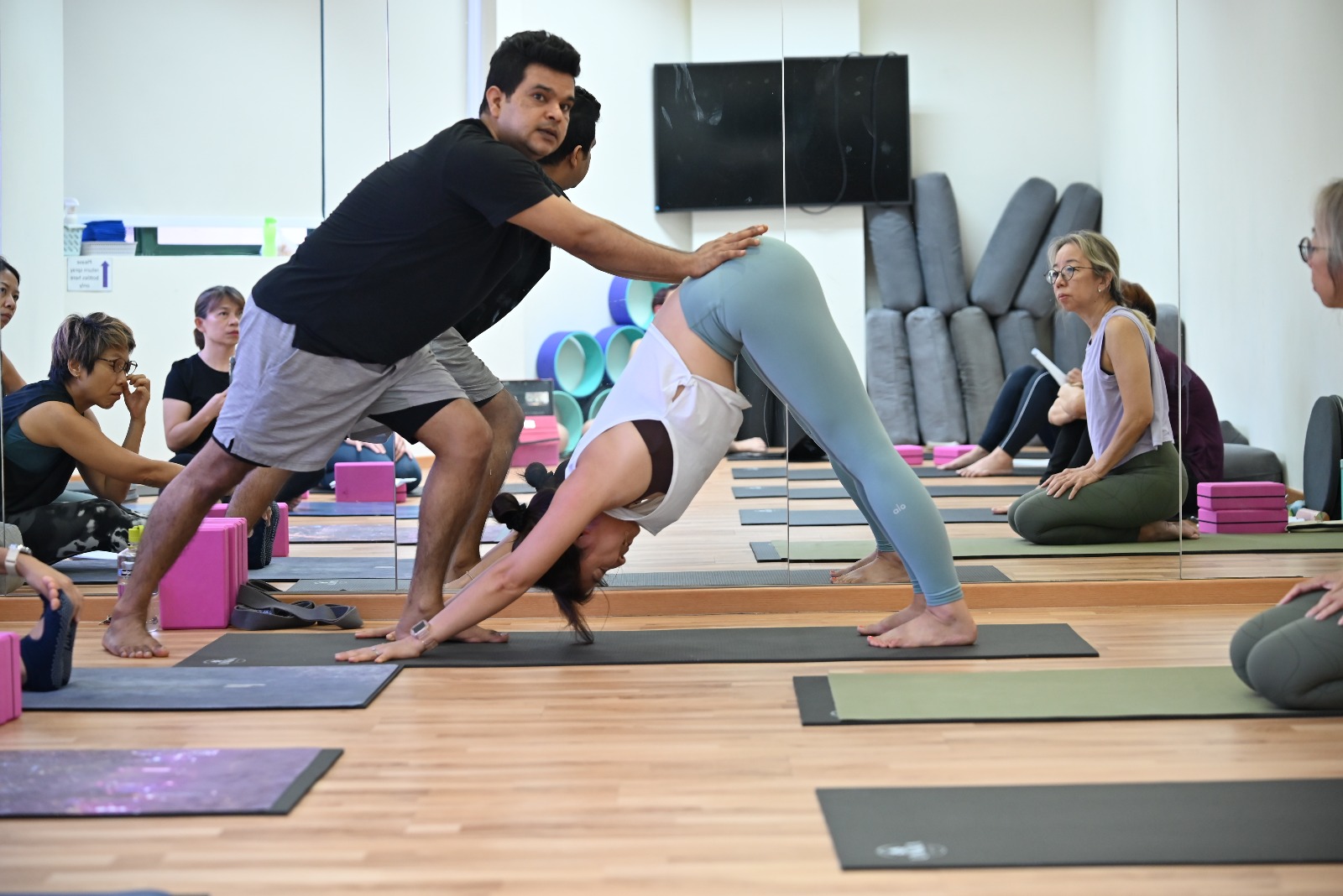
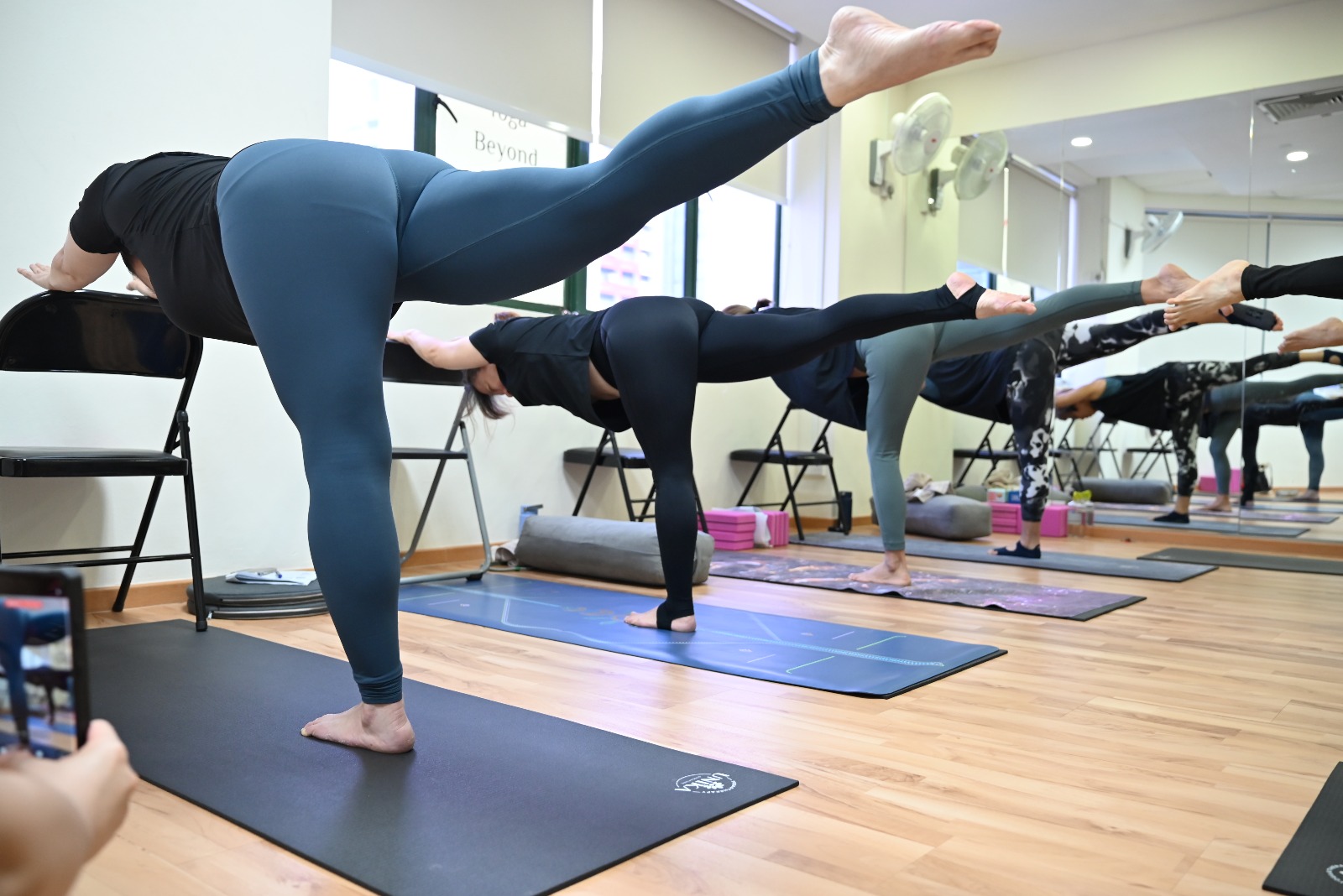
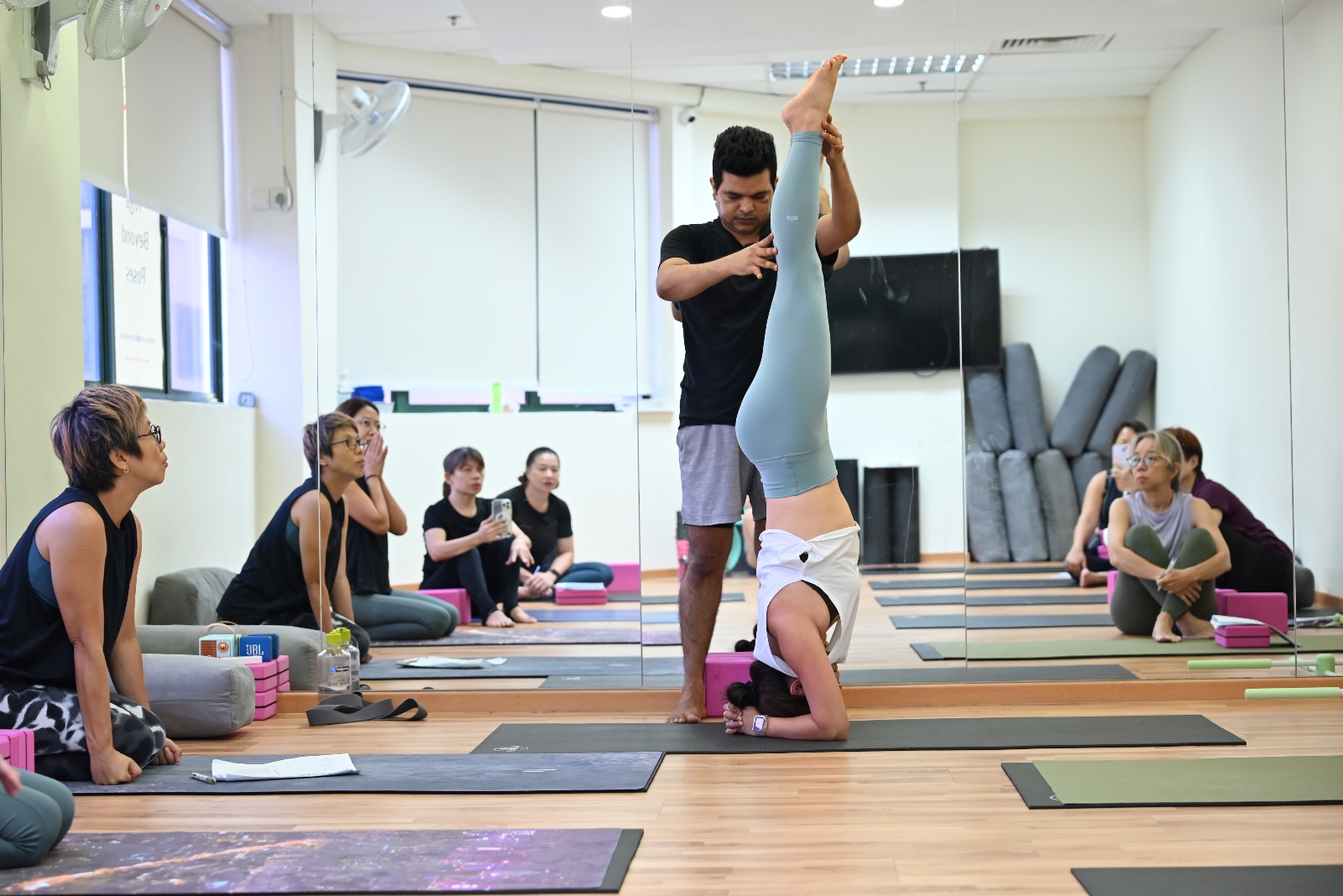
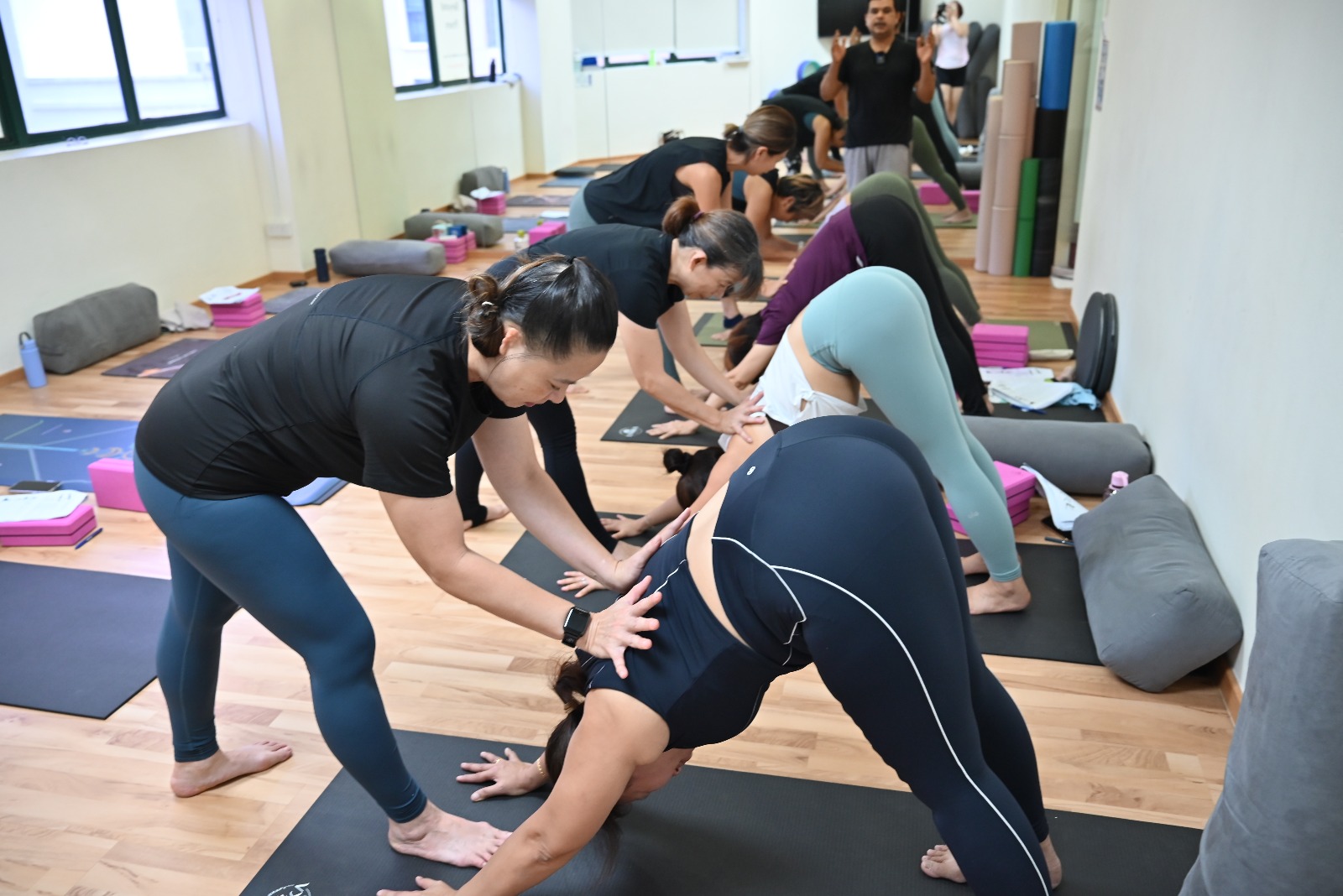
Alignment and posture improvement workshops are another example. Participants learn how to position their bodies safely in different poses.
Some workshops focus on stress management through yoga. These sessions may include relaxation techniques, gentle movement, and breathing exercises.
Other workshops explore sound healing or guided relaxation practices that complement yoga.
Each workshop is designed to explore one topic in greater detail.
Who Should Attend a Yoga Workshop?
Yoga workshops can be useful for a variety of participants.
Beginners may attend workshops to gain a deeper understanding of foundational practices. For example, a workshop on breathing techniques can help beginners feel more comfortable in regular classes.
Regular practitioners may attend workshops to refine their technique. Learning how to adjust posture or breathing can improve overall practice.
People interested in specific topics such as meditation or breathwork may also find workshops valuable. These sessions provide time to explore a subject in a structured way.
Individuals exploring holistic wellness practices may attend workshops as part of their broader learning journey.
Workshops are often open to people with different experience levels, depending on the topic.
Are Yoga Workshops Suitable for Beginners?
Many yoga workshops are designed to be beginner-friendly.
Because workshops move at a slower pace, instructors often provide detailed explanations of techniques and movements.
This allows beginners to understand not only how to perform a posture but also why it is practiced in a certain way.
For example, in a breathwork workshop, participants may learn how breathing patterns influence relaxation and focus.
Step-by-step guidance helps beginners feel more comfortable asking questions and learning new skills.
However, some workshops may focus on advanced topics. It is usually helpful to check the description of the workshop before attending.
What Are the Benefits of Attending a Yoga Workshop?
Yoga workshops offer several benefits that complement regular classes.
One important benefit is a deeper understanding of yoga practice. Workshops provide time to explore the principles behind movement, breathing, and mindfulness.
Participants also have more opportunities to ask questions. This interaction can help clarify techniques that might feel unclear during a fast-paced class.
Improved body awareness is another benefit. When movements are explained in detail, participants can better understand how their bodies respond to different poses.
Workshops also provide an opportunity to explore yoga beyond physical postures. Topics such as meditation, breathwork, and relaxation expand the practice beyond exercise.
These benefits make workshops a useful learning experience for many practitioners.
How Often Should You Attend Yoga Workshops?
Yoga workshops are usually attended occasionally rather than weekly.
Many people participate in workshops as a way to deepen their understanding of specific aspects of yoga.
Regular classes help maintain consistency in movement and exercise. Workshops add educational value by providing detailed instruction on particular topics.
For example, someone might attend weekly yoga classes but join a workshop once every few months to explore a new area of practice.
Long-term practitioners sometimes use workshops as a form of continuing education. Each workshop introduces new ideas or techniques that can be integrated into regular practice.
In this way, workshops complement rather than replace regular yoga classes.
Where Can You Join Yoga Workshops?
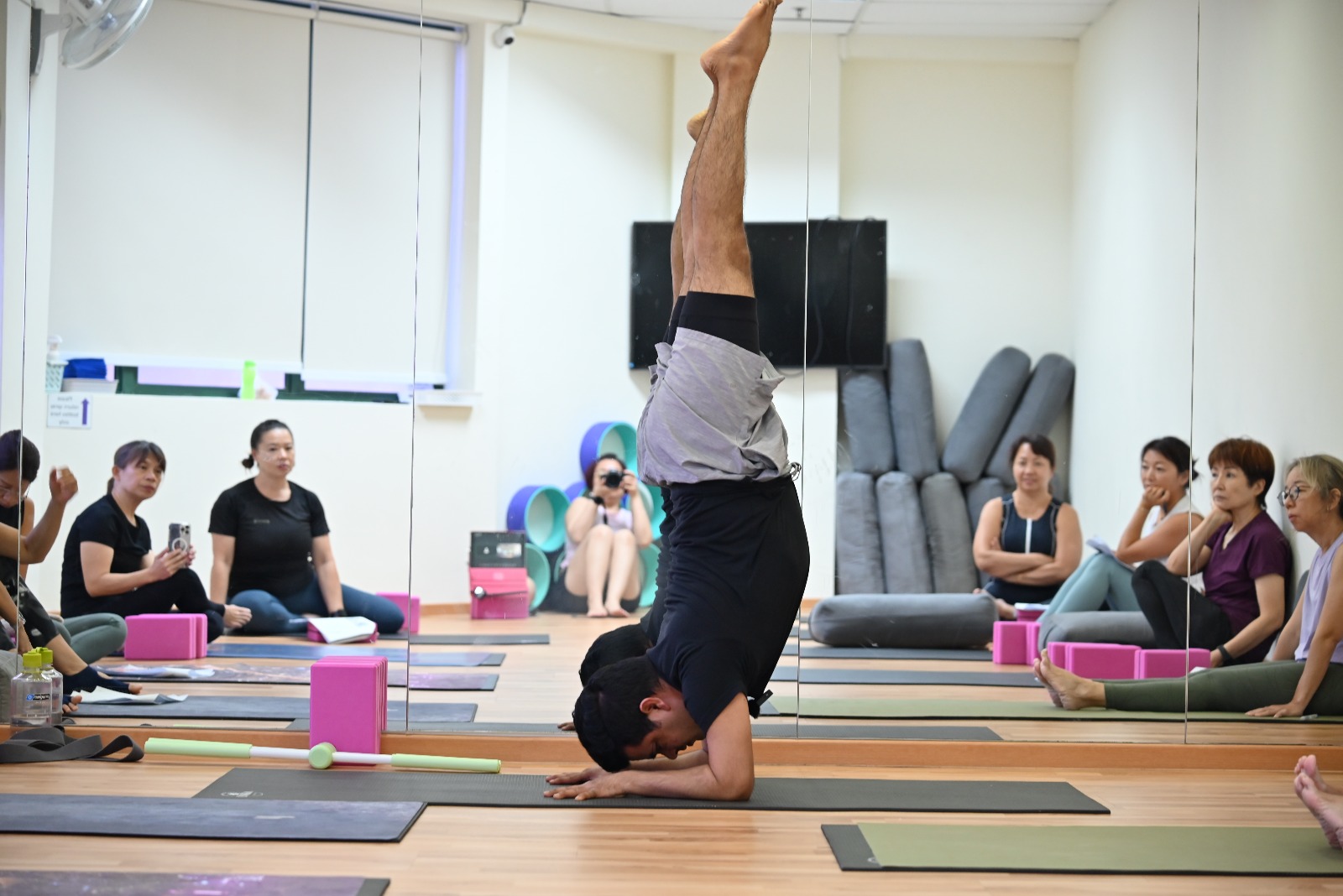
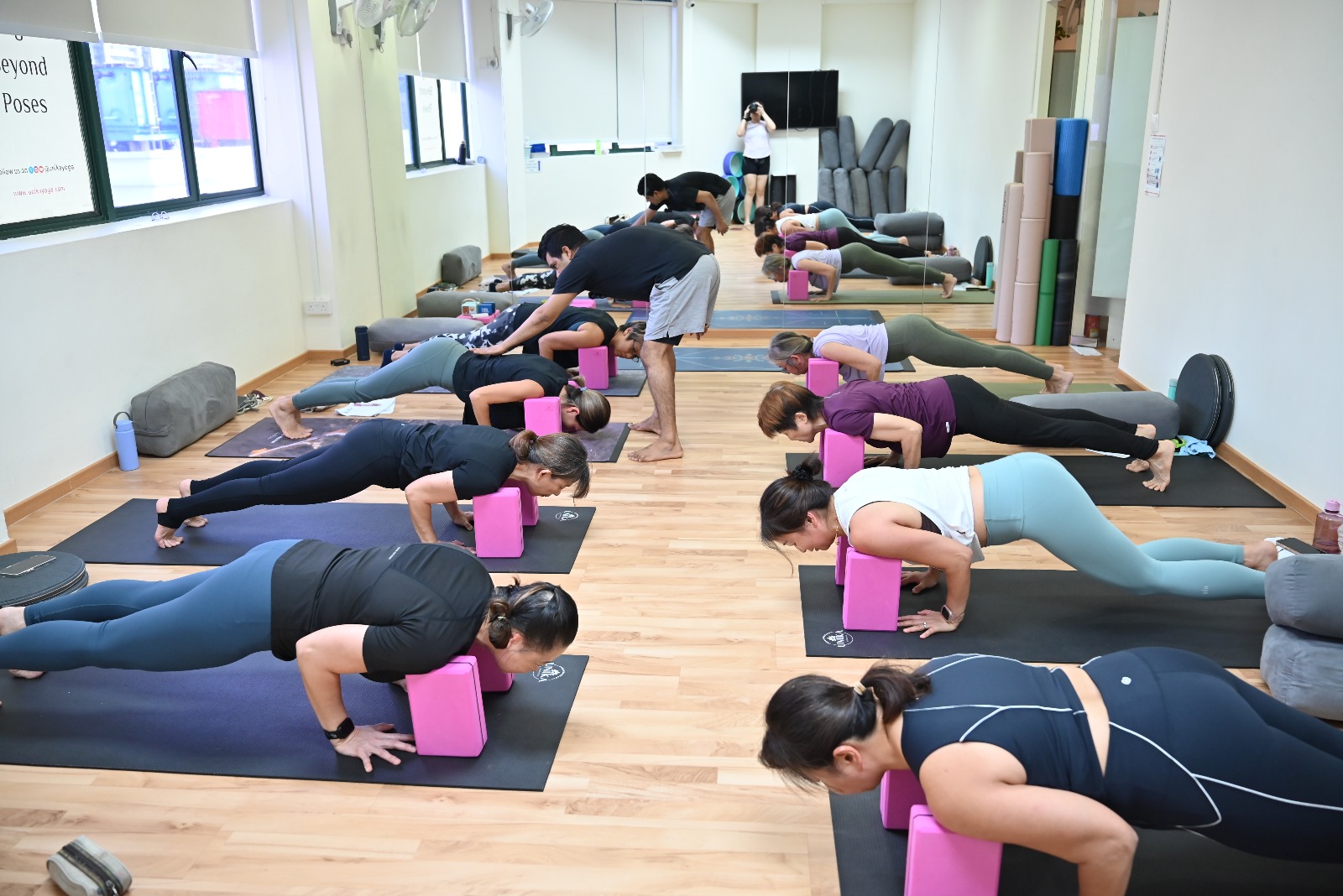
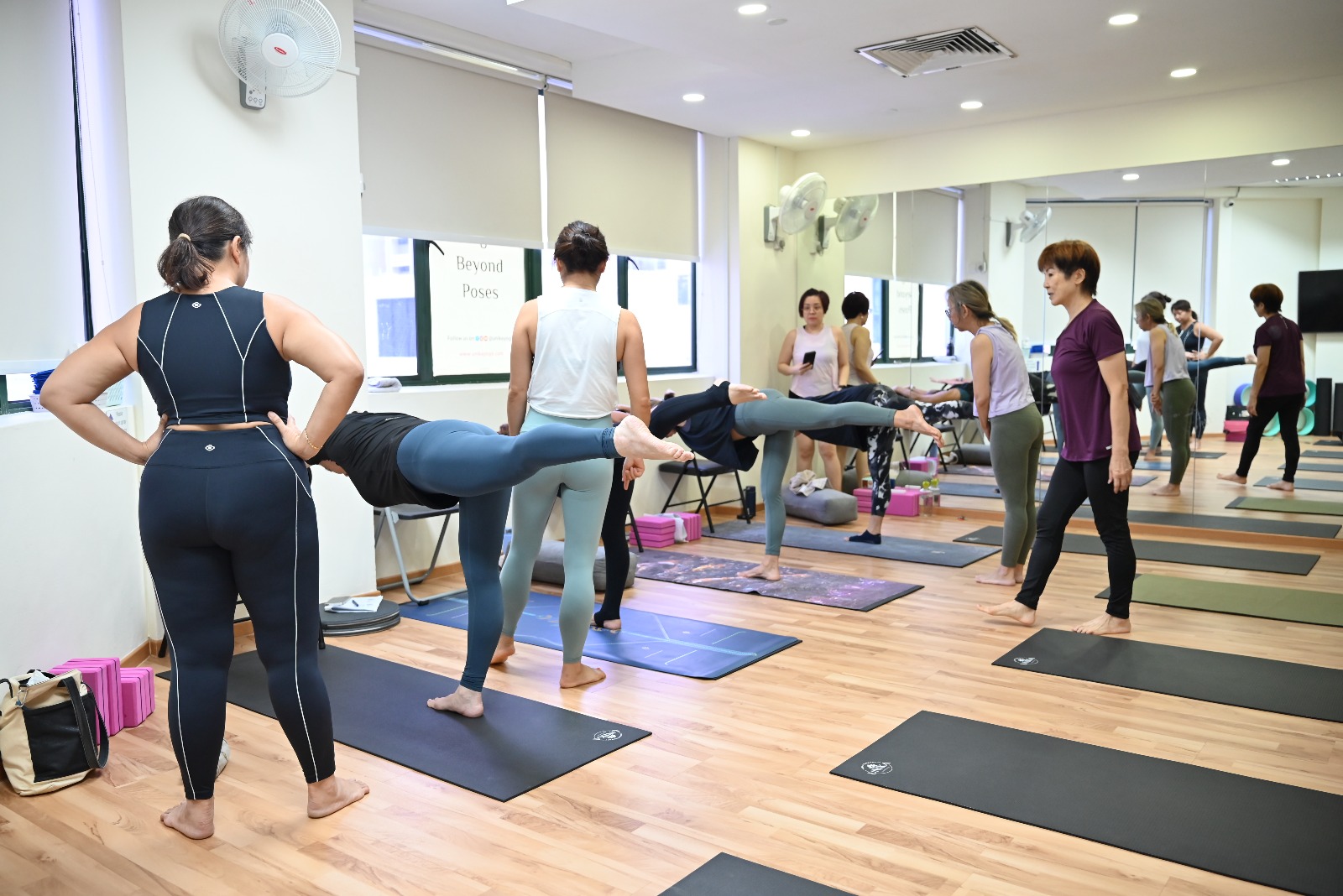
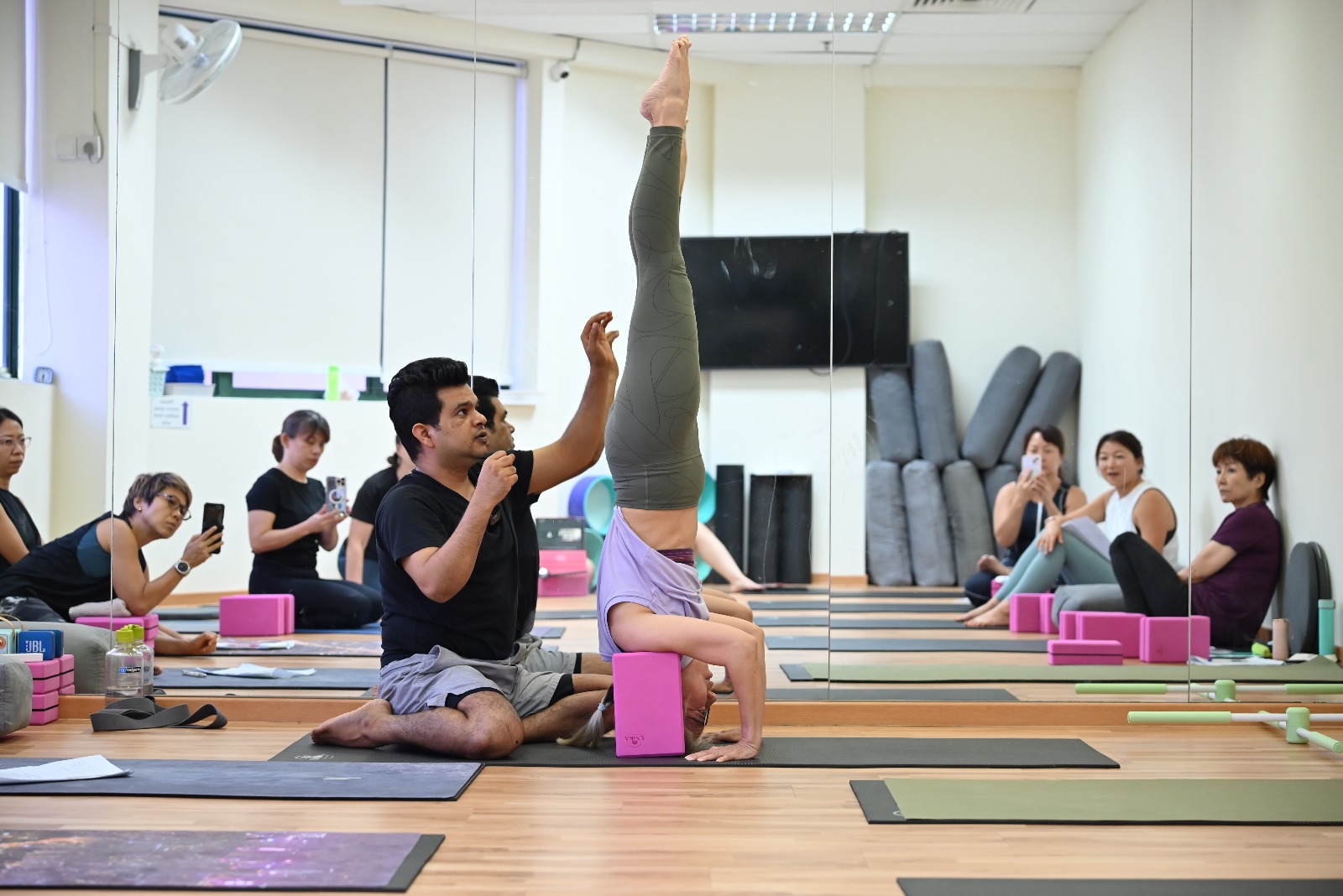
If you are interested in attending a yoga workshop, it is helpful to choose a space where the sessions are guided by experienced instructors and conducted in a calm learning environment. Workshops often involve deeper explanations and longer practice periods, so the guidance and structure of the session play an important role.
At Unika Yoga, yoga workshops are guided by Dr. Kuldeep Kumar Kushwah (PhD. Yoga, ERYT-500, and YACEP), who is the founder, director of the yoga education programme, and lead trainer at the studio. Dr. Kuldeep began his journey in yoga at the age of 14. Over more than two decades of learning, practicing, and teaching yoga, he has developed extensive theoretical and practical knowledge of the discipline. For him, yoga is not only a practice but also a way of living.
Workshops conducted at the studio often focus on helping participants explore different aspects of yoga practice, including breathing techniques, posture awareness, and mindfulness. With structured guidance and time for learning, Dr. Kuldeep Kumar Kushwah has led hundreds of workshops that allow participants to understand yoga concepts in greater depth while practicing in a supportive environment.
Should You Choose Yoga Classes, Workshops, or Both?
Yoga classes and workshops serve different purposes, and each format offers its own advantages.
Regular classes are useful for maintaining a consistent practice. They provide structured time for movement, stretching, and relaxation as part of a weekly routine.
Workshops, on the other hand, allow participants to spend more time understanding specific aspects of yoga. These sessions often explore topics such as breathing techniques, posture alignment, or meditation in greater detail.
Because of these differences, some practitioners choose to combine both formats. Attending regular classes supports ongoing practice, while occasional workshops offer opportunities to learn new concepts and refine existing skills.
For individuals interested in expanding their understanding of yoga, participating in both types of sessions can provide a balanced and gradual learning experience.
FOR MORE BLOG :